
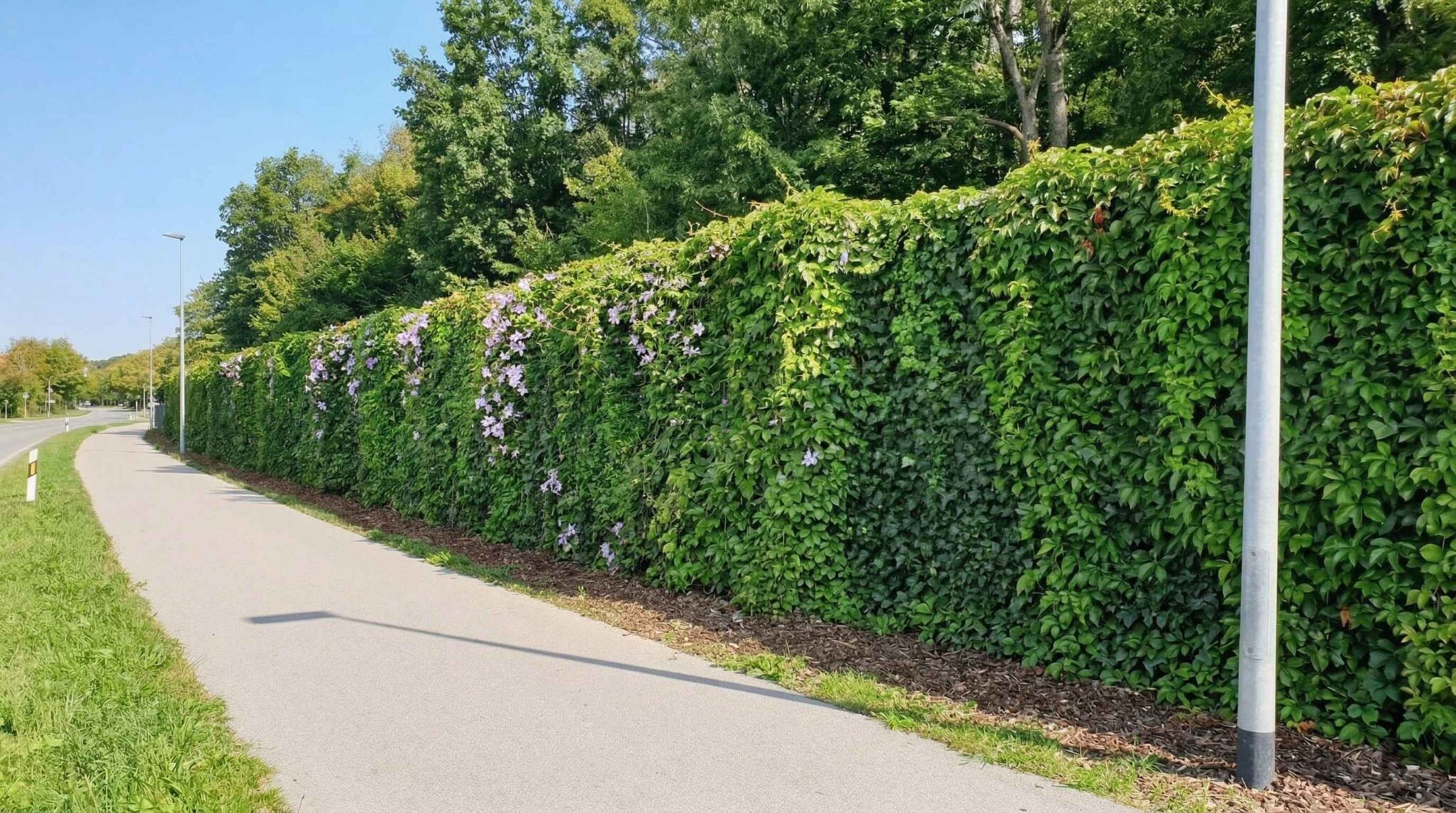
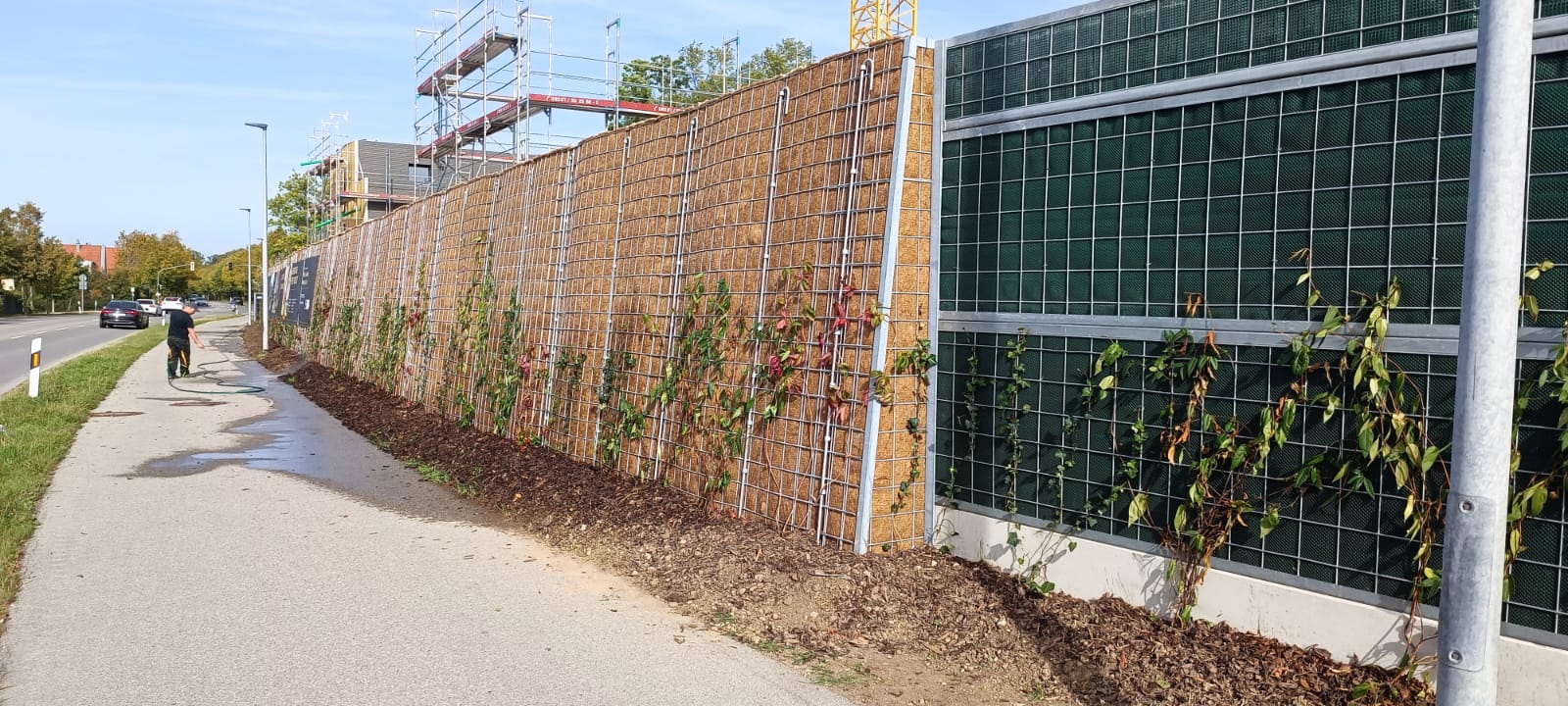
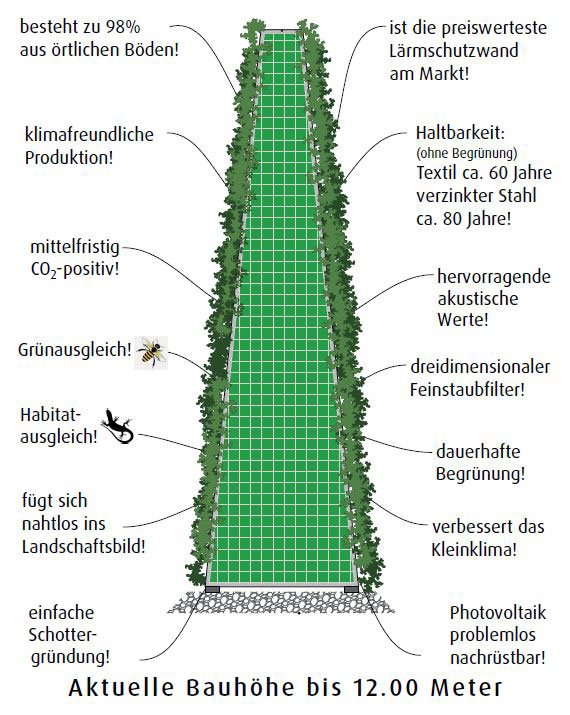
Sankt Pölten has changed dramatically over the last three decades – since becoming the capital of Lower Austria in 1986 and the construction of the government district including the cultural district on the Traisen, entire new districts have been created. With the Festspielhaus, the Provincial Library and the Klangturm, the city has gained a place in Lower Austria’s cultural life, while the surrounding Mostviertel region has changed with commuter traffic and new commercial settlements. At the same time, the city is located on one of the noisiest traffic routes in Central Europe: the A1 Westautobahn passes to the south and the four-track Westbahn line cuts through the urban area in a north-south direction. If you live in the Spratzern, Wagram or Stattersdorf area, you are familiar with the railroad noise; if you live in Pottenbrunn or Harland, you are more familiar with the road noise. At RAU.bayern, we supply noise barriers to building owners, commercial enterprises and municipalities in Sankt Pölten and the surrounding area – from the Allgäu to Lower Austria. Our focus is on green noise protection systems that combine acoustic protection and vertical greenery. We talk to you about your specific noise situation, check the space requirements, statics and appearance – and then suggest a solution that suits your property and budget. No all-inclusive offers, but a recommendation that we can justify in front of you.

Noise protection along the Western Railway - the main issue for residential areas in St. Pölten
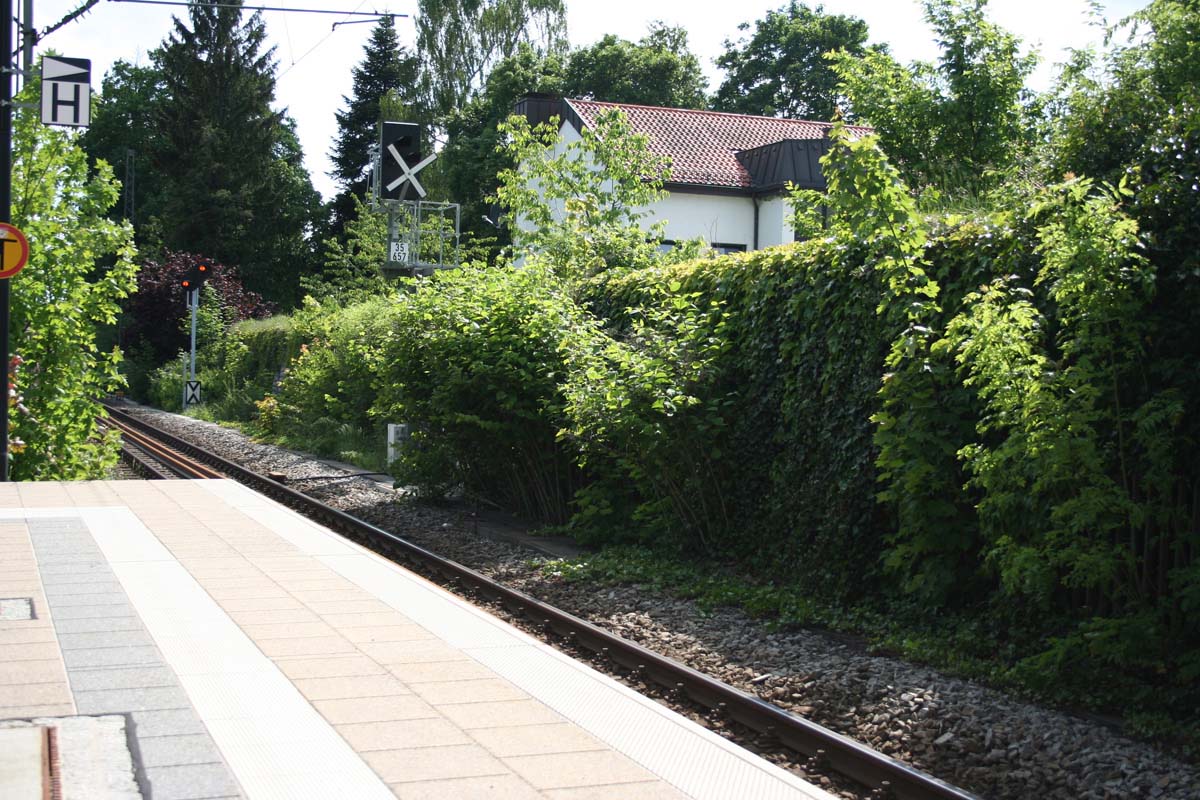
With the four-track extension of the Westbahn line and the commissioning of the ÖBB high-capacity line, rail traffic in Sankt Pölten has become even denser in recent years. Railjet, Westbahn and local trains follow each other at close intervals; at night, freight trains are added, whose noise character differs significantly from daytime traffic. Residents in Spratzern, Wagram, Viehofen and the station belt are permanently exposed to this noise.
ÖBB has already erected its own noise barriers in some sections, but they do not cover every area. On private land – for example in courtyards, gardens or commercial properties in the immediate vicinity of the railroad – a supplementary solution is often required. This is exactly where we come in. A noise barrier on your own property can specifically intercept noise sources that radiate past the sides of existing protective structures.
The right design is important. Railroad noise has impulsive components, i.e. peaks when passing by, and a broad frequency spectrum. Sound-absorbing wall surfaces – as is common in RAU systems – work much better here than purely reflective construction methods because they do not reflect noise back into the surroundings. This is an important point in terraced housing complexes or dense residential development: a reflective wall on one side of the street can increase the level on the other side. You can avoid this phenomenon with absorbent walls.
For each project in Sankt Pölten, we check how the wall should be positioned, what height is required and whether a continuous or sectional solution is more appropriate. A height of two to three meters is often sufficient if the wall is close to the source of the noise. If it is closer to your house, it tends to need to be higher to achieve the same effect.
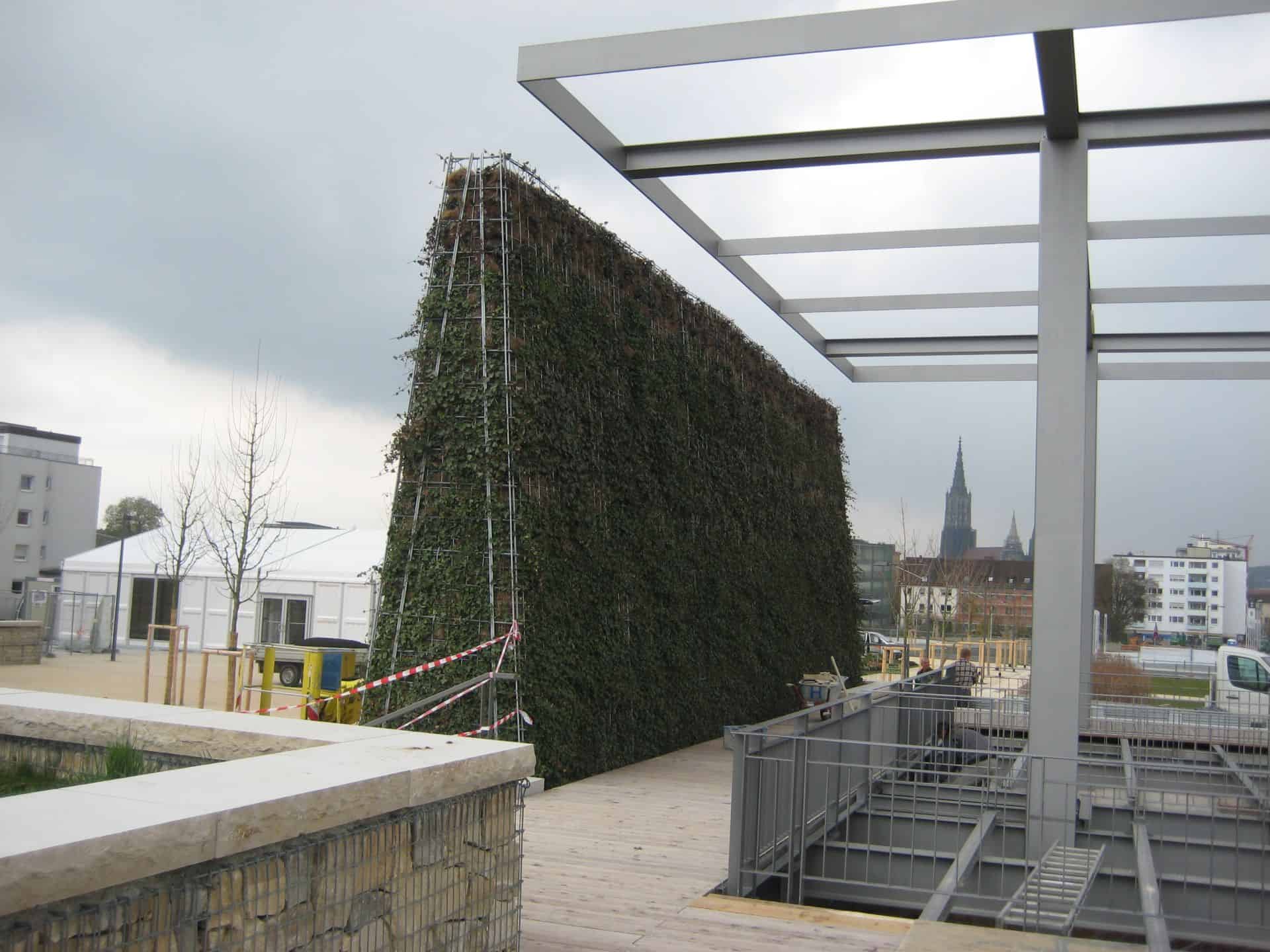
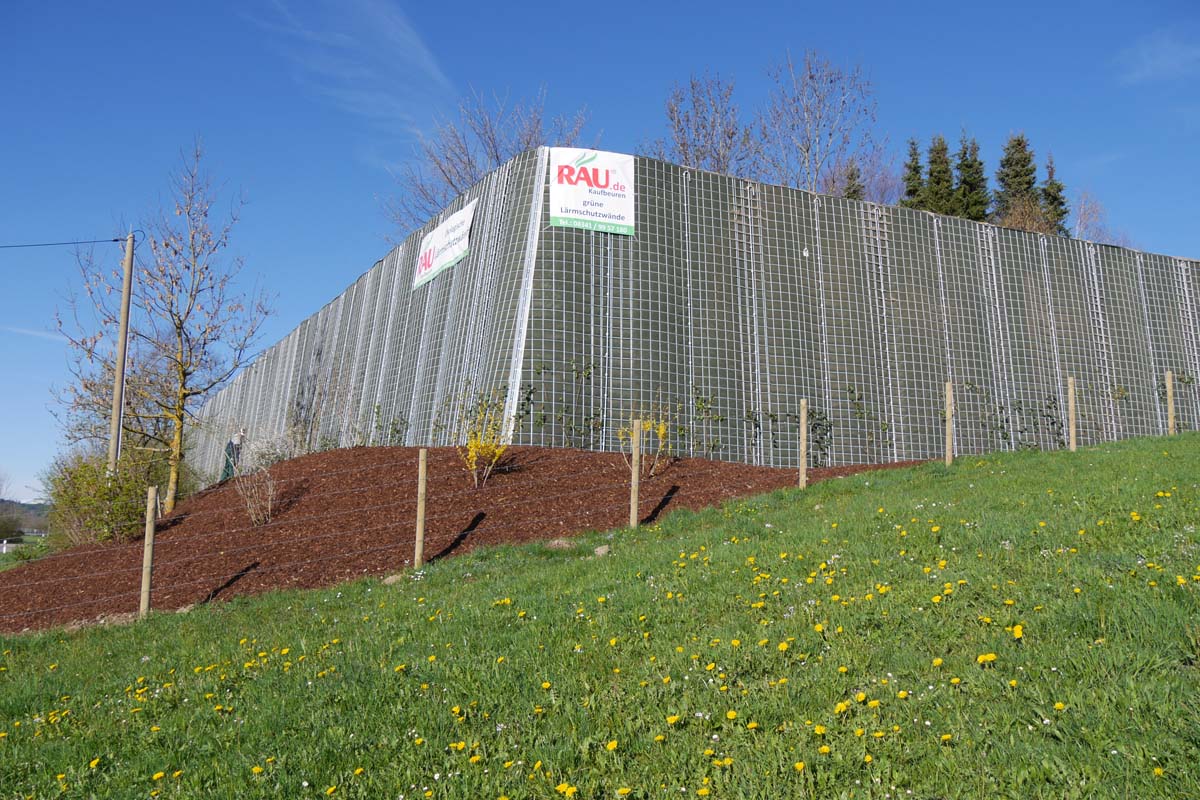
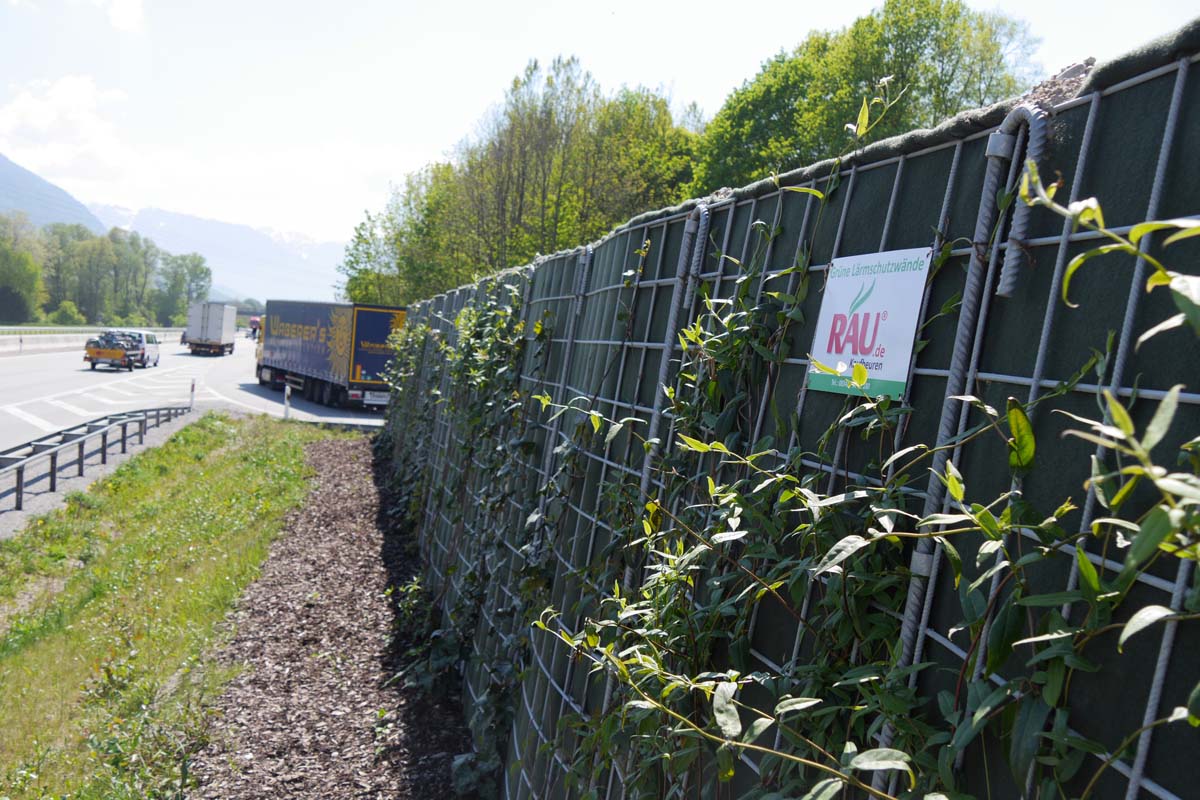
Delivery and set-up in Sankt Pölten - arrival from the Allgäu
It is around 540 kilometers from Kaufbeuren to Sankt Pölten – via the A7 to the north, then the A8 towards Salzburg and from there the A1 Westautobahn across Upper Austria to Lower Austria. We expect the journey by truck to take around five and a half hours, provided the A1 between Linz and Amstetten is clear – a stretch of road that is known to have bottlenecks at peak times. We therefore usually plan deliveries to Sankt Pölten outside the vacation and travel periods.
The city itself is easy to reach logistically. The A1 exits St. Pölten-Süd and St. Pölten-West lead directly into the urban area. We can easily reach inner-city construction sites with articulated trucks, only in the narrow streets around Wiener Straße or in the residential streets of Spratzern do we work with smaller vehicles or intermediate unloading. We coordinate this with you before delivery to ensure that delivery and installation go together smoothly.
The following applies to installation: for simple, shorter systems – such as a noise barrier along a private garden in Harland – installation is often completed in one day. For larger projects, such as protective systems for commercial properties in the Kremser Landstraße area or multi-party houses near the railroad, we plan several working days and come with our own team or a well-established partner company from the region. We work in Sankt Pölten with reliable Lower Austrian construction partners who know the local market and can respond quickly. You will always have a contact person with us who knows what needs to be considered with the system and who will continue to look after you after completion.


