
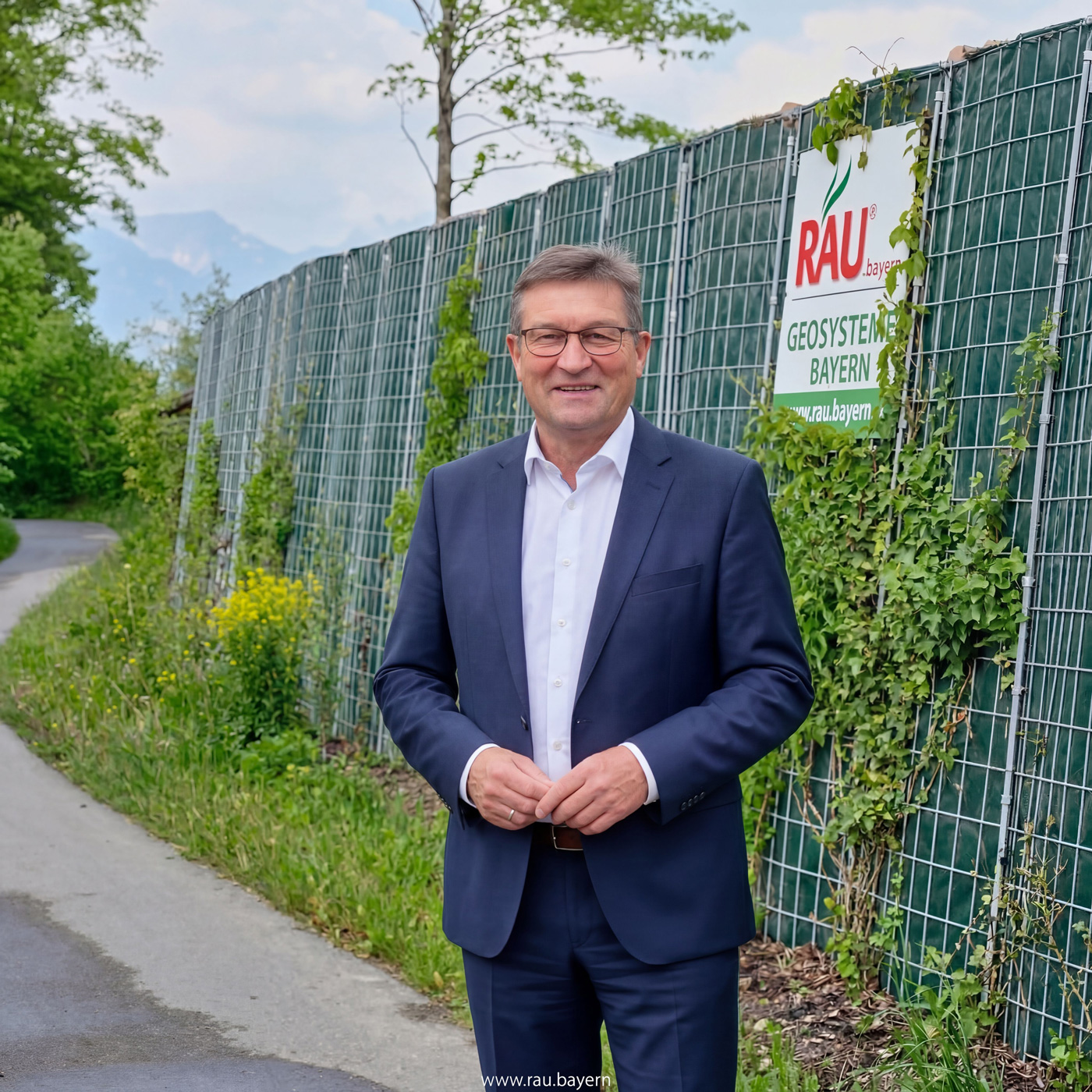
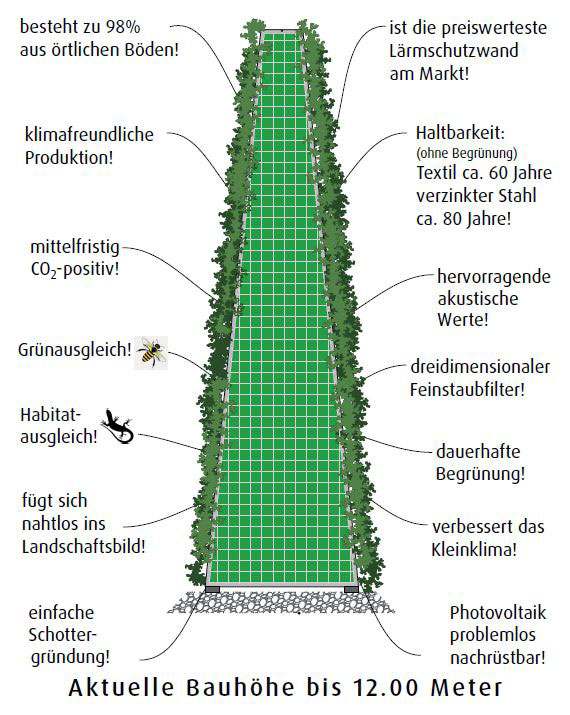
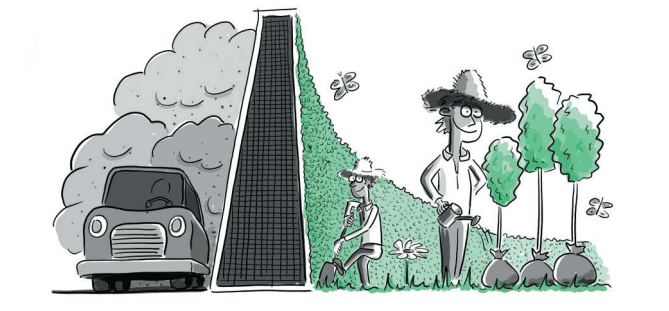
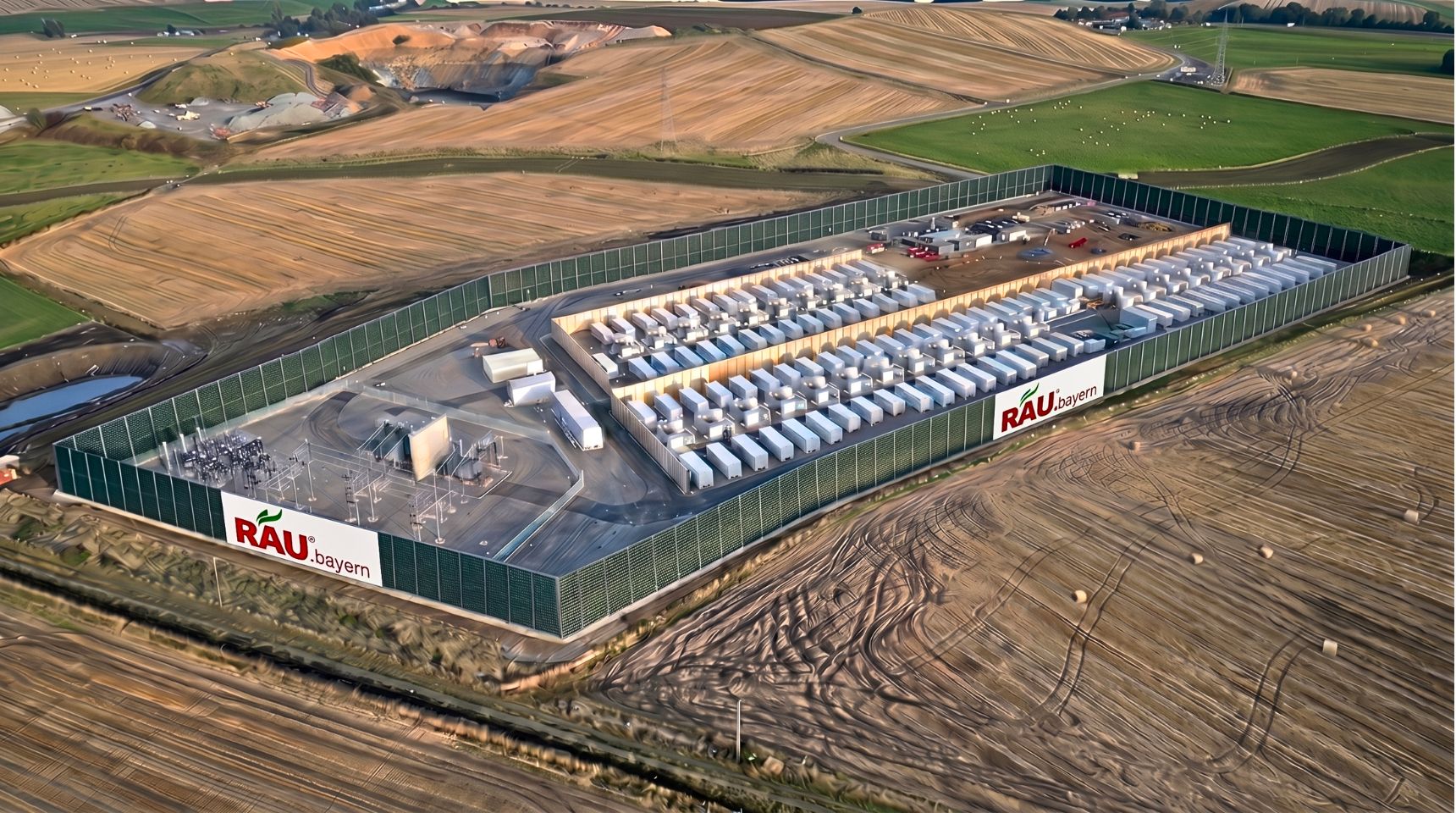
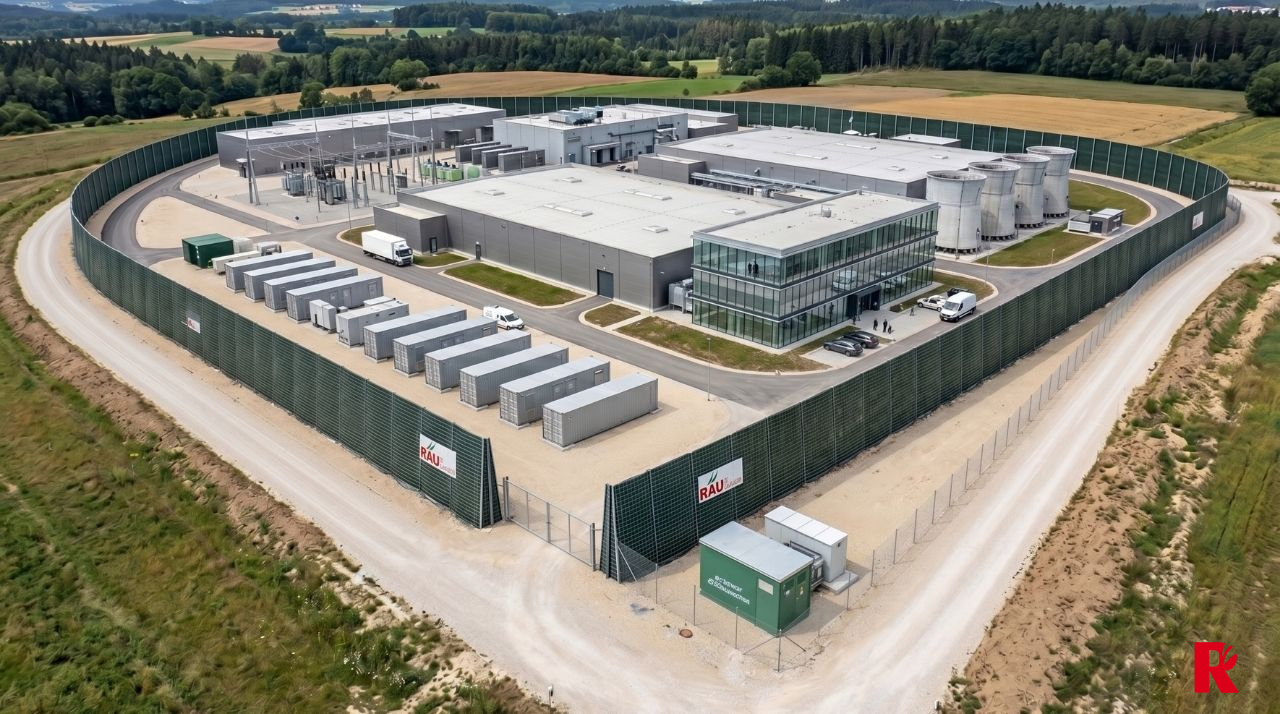
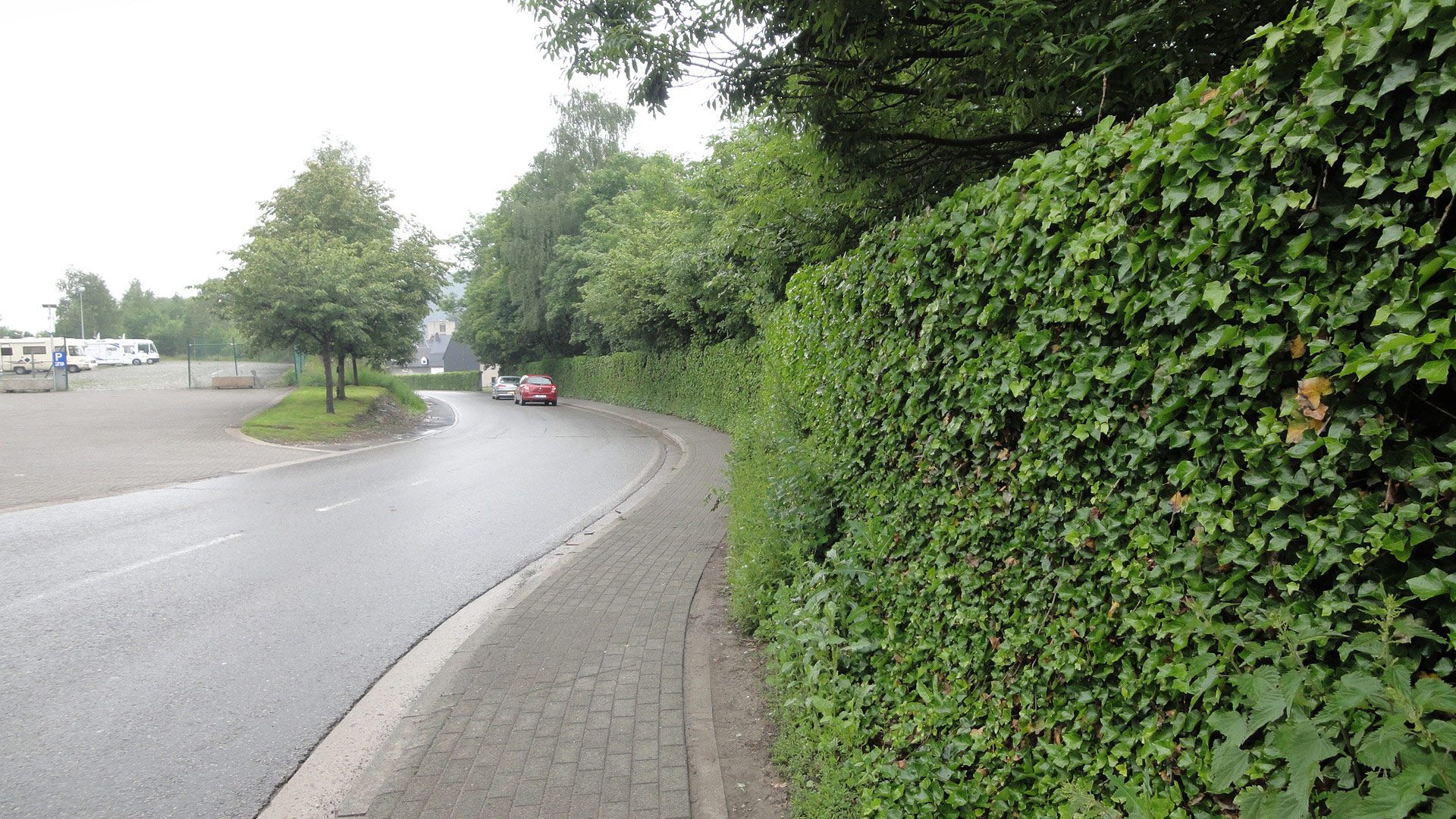
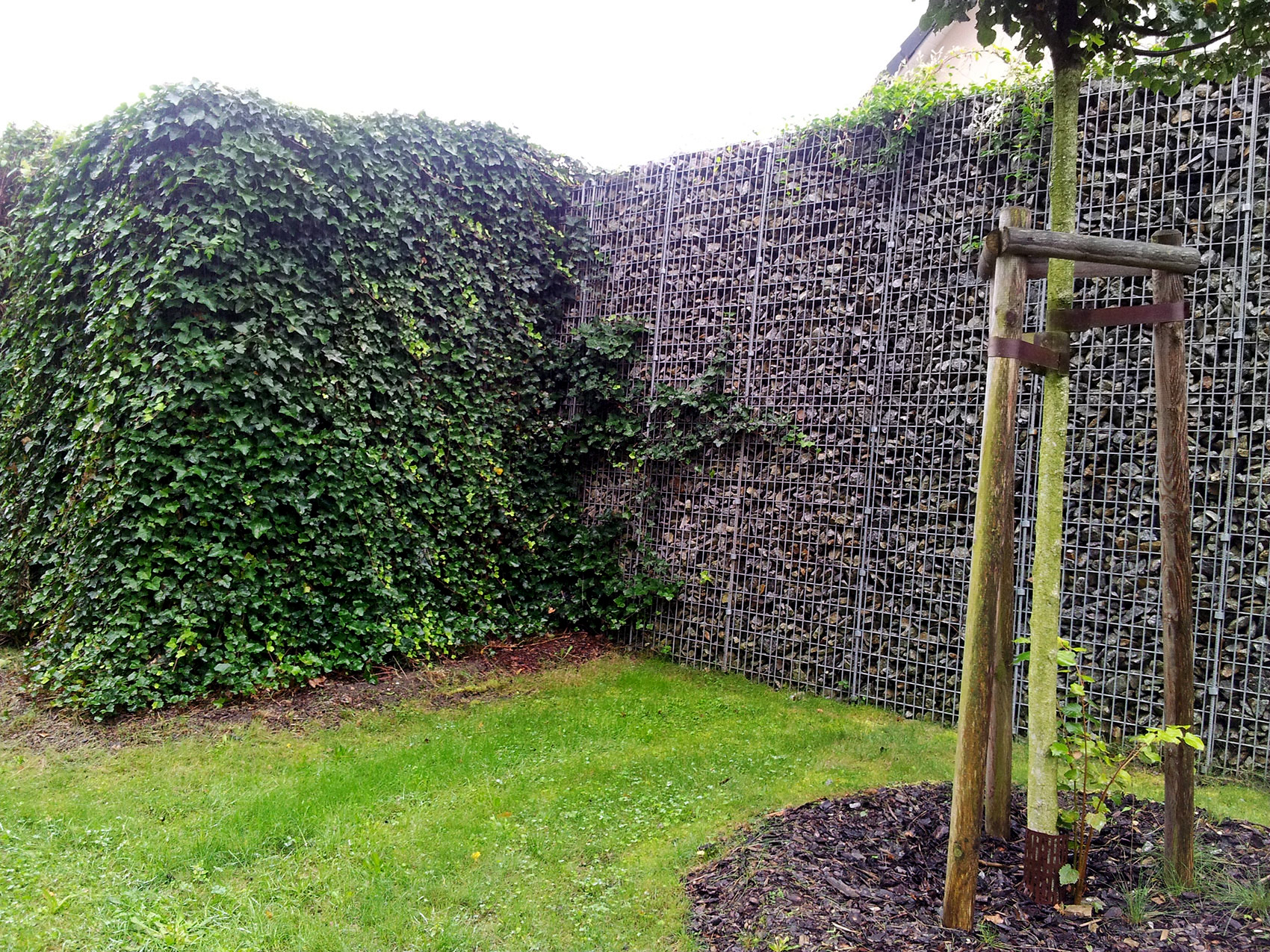
According to TA Lärm, AI data centers are subject to the immission guideline values for the area type corresponding to the nearest space requiring protection, the calculation of the nighttime value based on the loudest full hour, the consideration of background noise, and the assessment of rare events. Rau Geosystem Süd GmbH implements these requirements using RAU Noise Protection for AI Data Centers. At night, the guideline values range from 70 dB(A) in industrial zones, to 50 dB(A) in commercial zones, 45 dB(A) in mixed-use zones, 40 dB(A) in general residential zones, and 35 dB(A) in purely residential zones. For data centers with continuous operation, the nighttime value is the design parameter because cooling towers, refrigeration systems, and ventilation run around the clock. The TA Lärm classifies test runs of emergency generators as rare events and evaluates them separately. We translate the values into wall geometry, plant vegetation at the base of the wall without irrigation, and backfill with soil sourced on-site.
What does the TA Lärm regulation stipulate for facilities operating under a continuous load around the clock?
For facilities operating under continuous load around the clock, the TA Lärm stipulates that the assessment level during the day is calculated over the period from 6 a.m. to 10 p.m., and at night over the loudest full hour between 10 p.m. and 6 a.m., that adjustments must be made for tone and impulse characteristics, and that short-term noise peaks may not exceed the guideline values by more than 20 dB(A) at night. For an AI data center whose recoolers and ventilation systems operate without reduced capacity, the loudest hour of the night is thus identical to the full-load condition of the cooling system on a warm night. The assessment is conducted at the noise exposure location outside the building, in front of the window of the nearest room requiring protection. In addition, the rule applies that the guideline value applies to the total noise load; existing commercial operations in the neighborhood count as a baseline load, meaning that the data center is only permitted the remaining additional load. A data center in a commercial zone adjacent to a general residential area must comply with a 40 dB(A) limit at night; in a mixed-use zone, the limit is 45 dB(A); and in an urban area, it is also 45 dB(A). These values are requirements for the operator, not a property of the wall; we translate them into the height, length, and location of the RAU noise barrier for AI data centers and coordinate the geometry with the expert. Transformers and current transformers, with their low-frequency components, are included in the same assessment. We compile background information on regulations under “What You Should Know About Noise Protection and Planning.”
What surcharges and special cases particularly affect data centers?
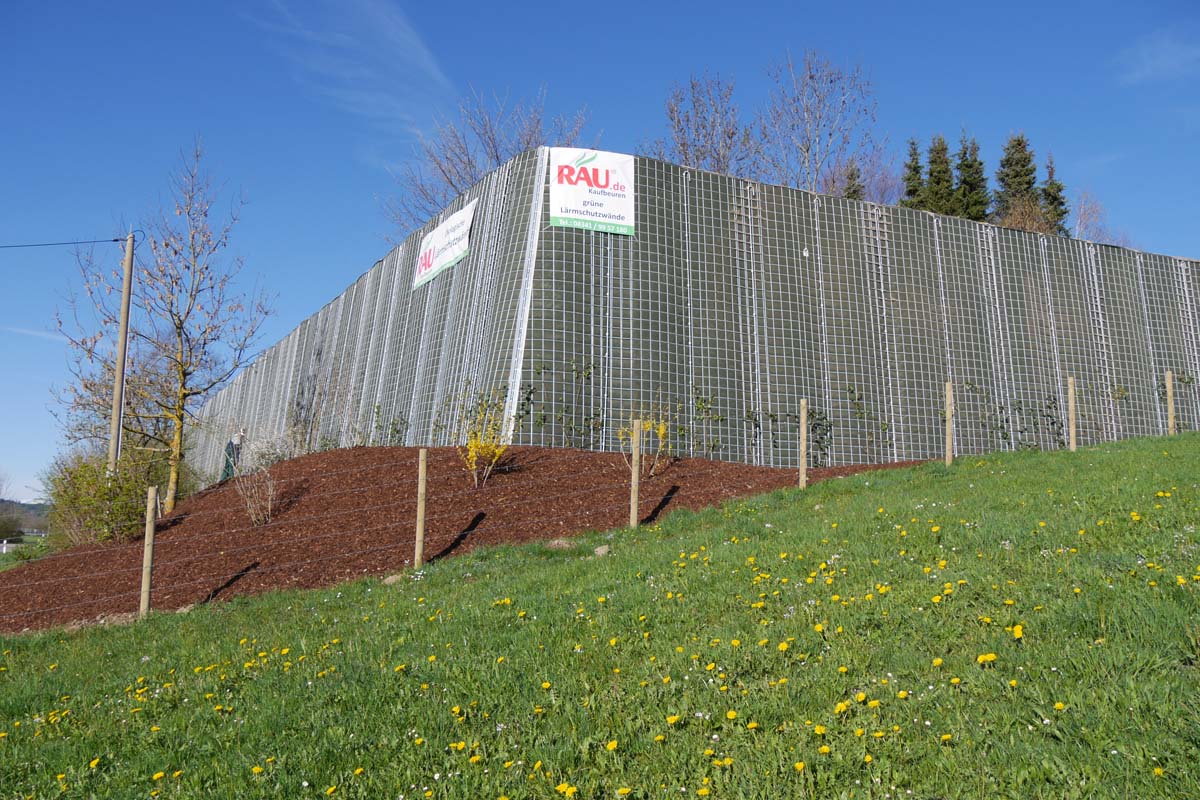
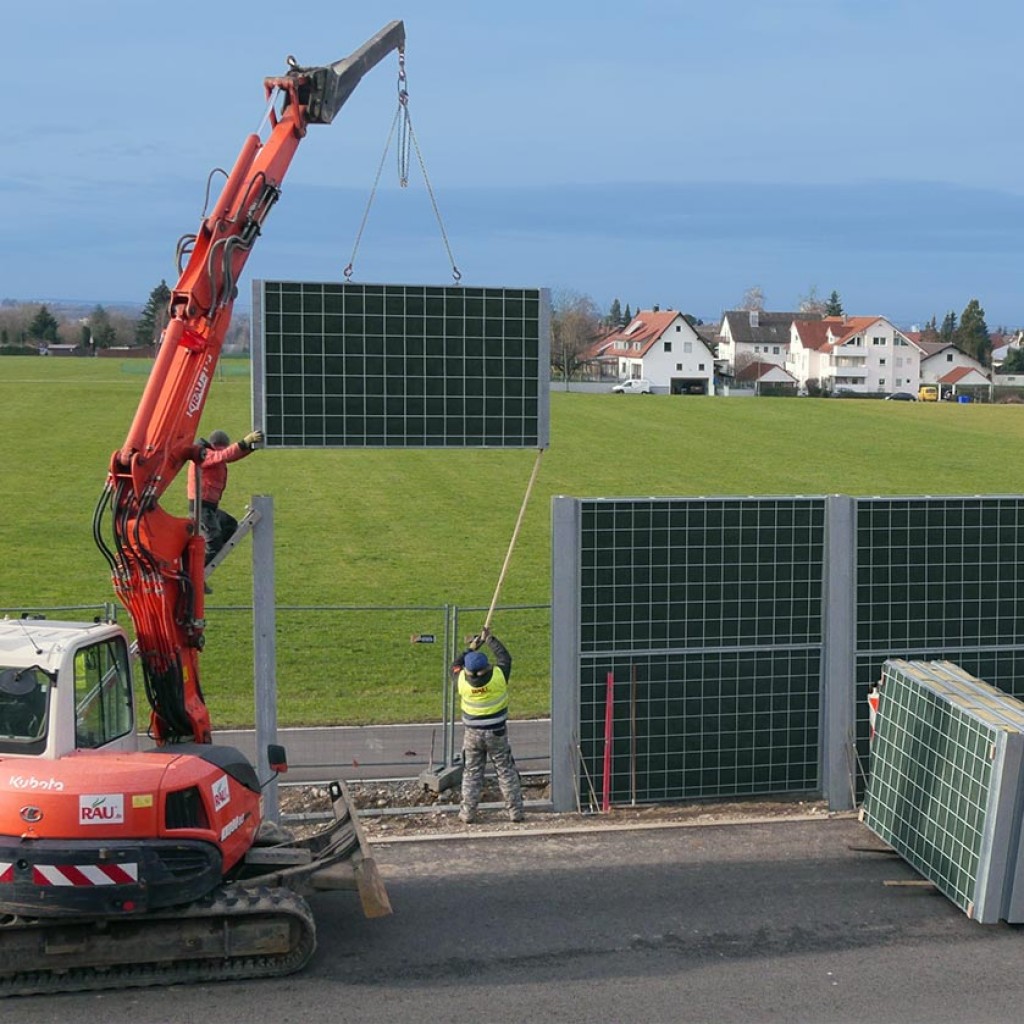
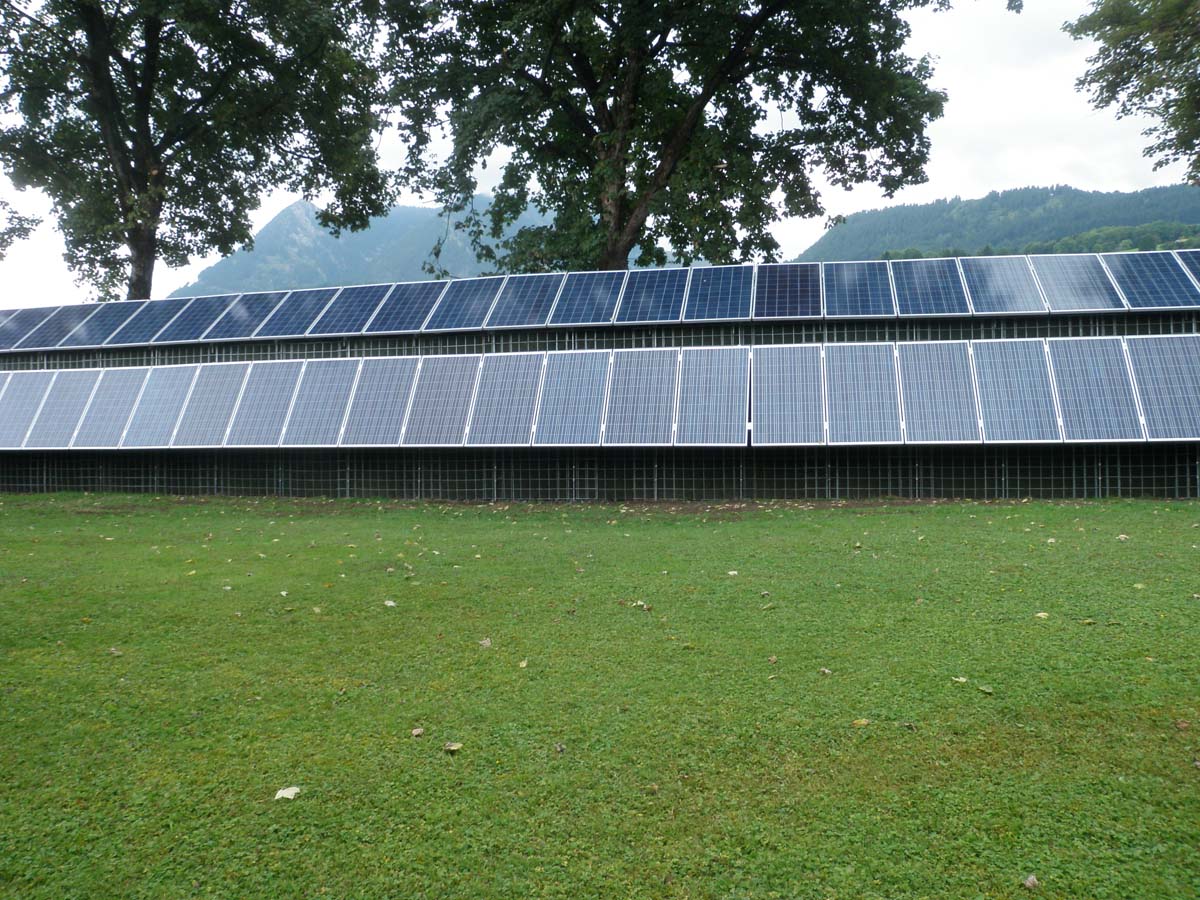
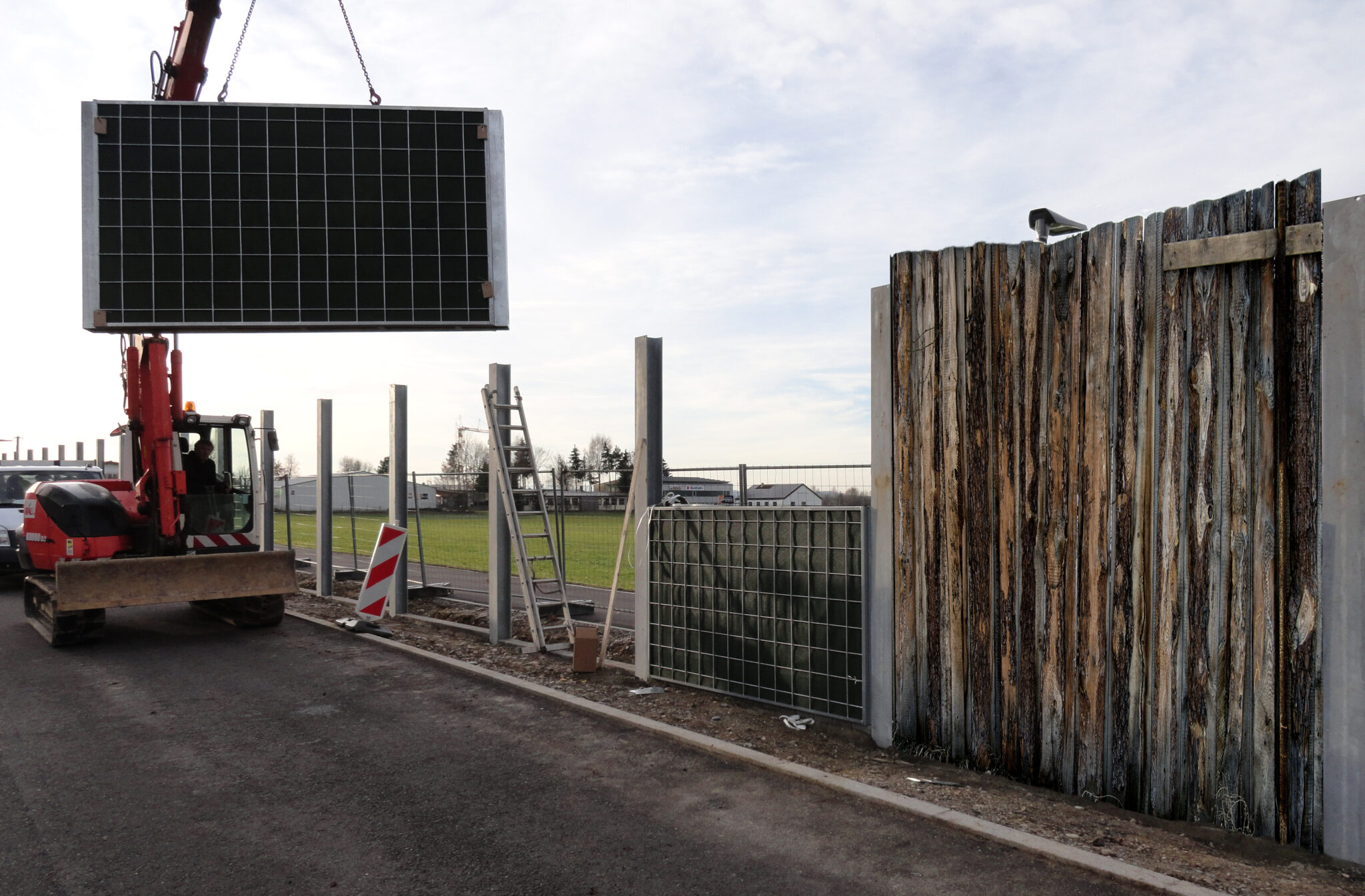
According to TA Lärm, data centers are particularly affected by the sound content surcharge, because fans and transformers generate specific sounds; the special case of rare events involving test runs of emergency generators; and background noise from neighboring businesses in commercial areas. The tone-specific penalty factor is applied by the expert when a distinct tone stands out from the background noise of the cooling towers or the hum of a transformer at the exposure location; it increases the assessment level and thus the requirements for the wall. The “rare events” provision allows test runs of emergency power generators to exceed the guideline values on a limited number of days per calendar year, provided that the other rules are followed; test runs are therefore scheduled during the day and documented separately. Finally, background noise is the norm for data centers located in commercial areas and reduces the portion of noise that reaches the site. For the wall, all three points mean that the geometry is not determined based on the guideline value alone, but rather on the additional load calculated by the expert, including surcharges. Our highly absorbent version absorbs sound frequencies rather than reflecting them; the RAU Klimawand R3 with Climate Handprint allows for varying heights, such as in Fehraltorf from 3.30 to 5.00 m, and the RAU Rock Extensiv, with a minimum width of 13 cm, is suitable for narrow strips. Our CO2 footprint has been verified by KlimAktiv, and we are a member of the German Association for Noise Protection along Transportation Routes. The installation in Fehraltorf demonstrates how a wall with height adjustments is constructed.


