
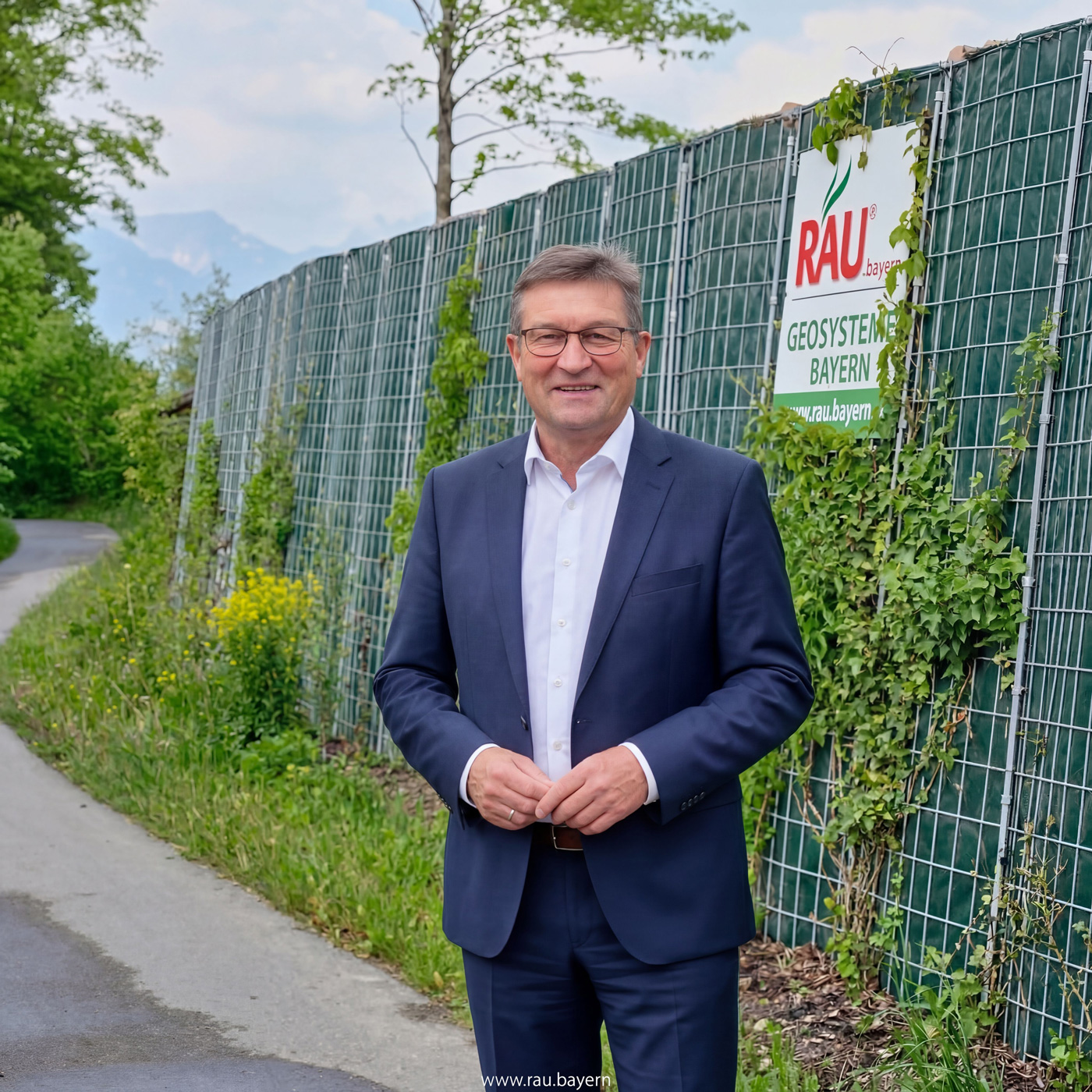
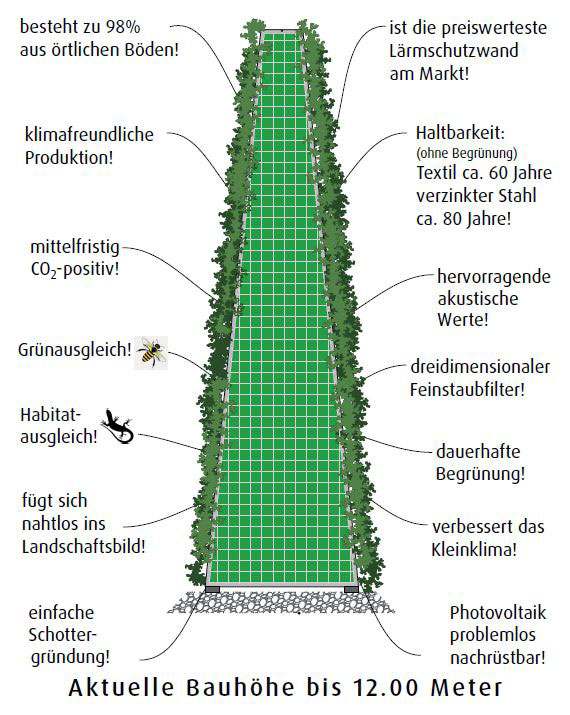
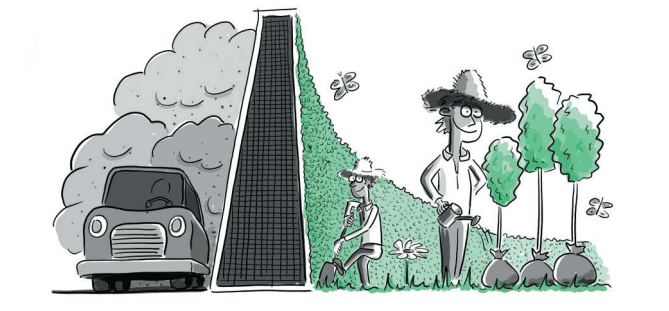
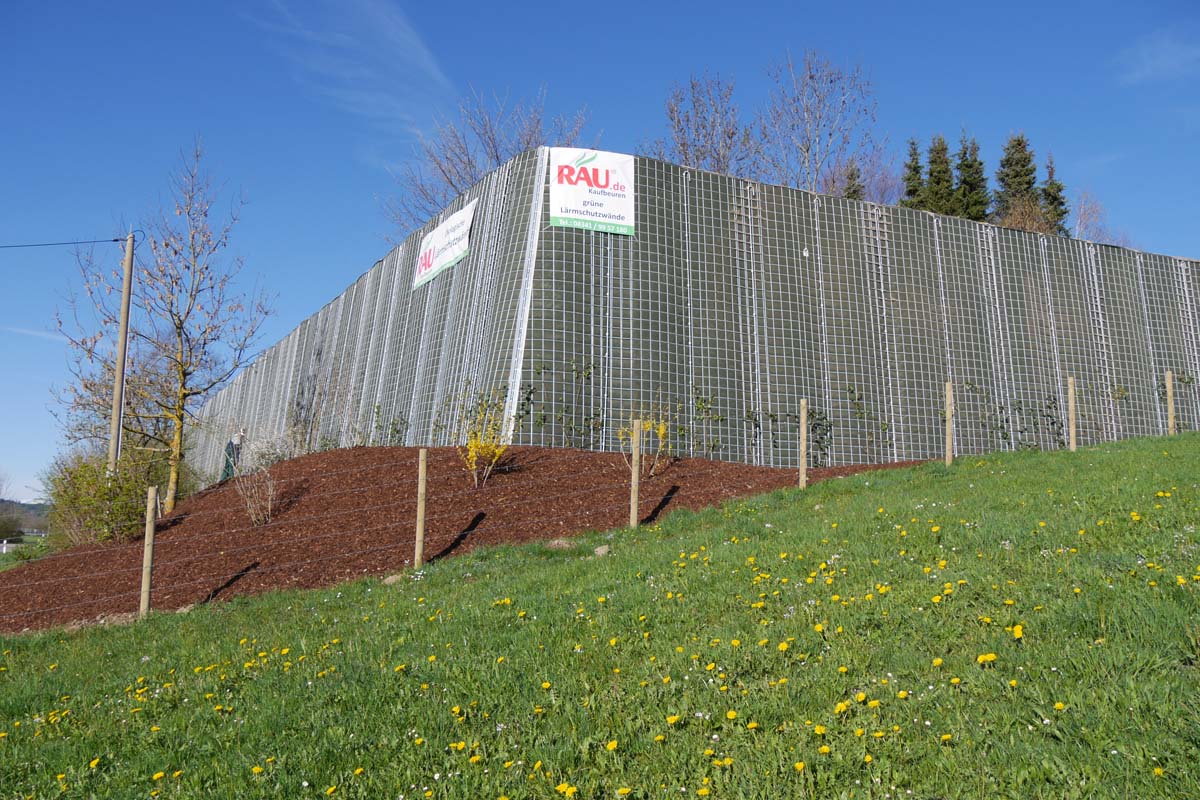
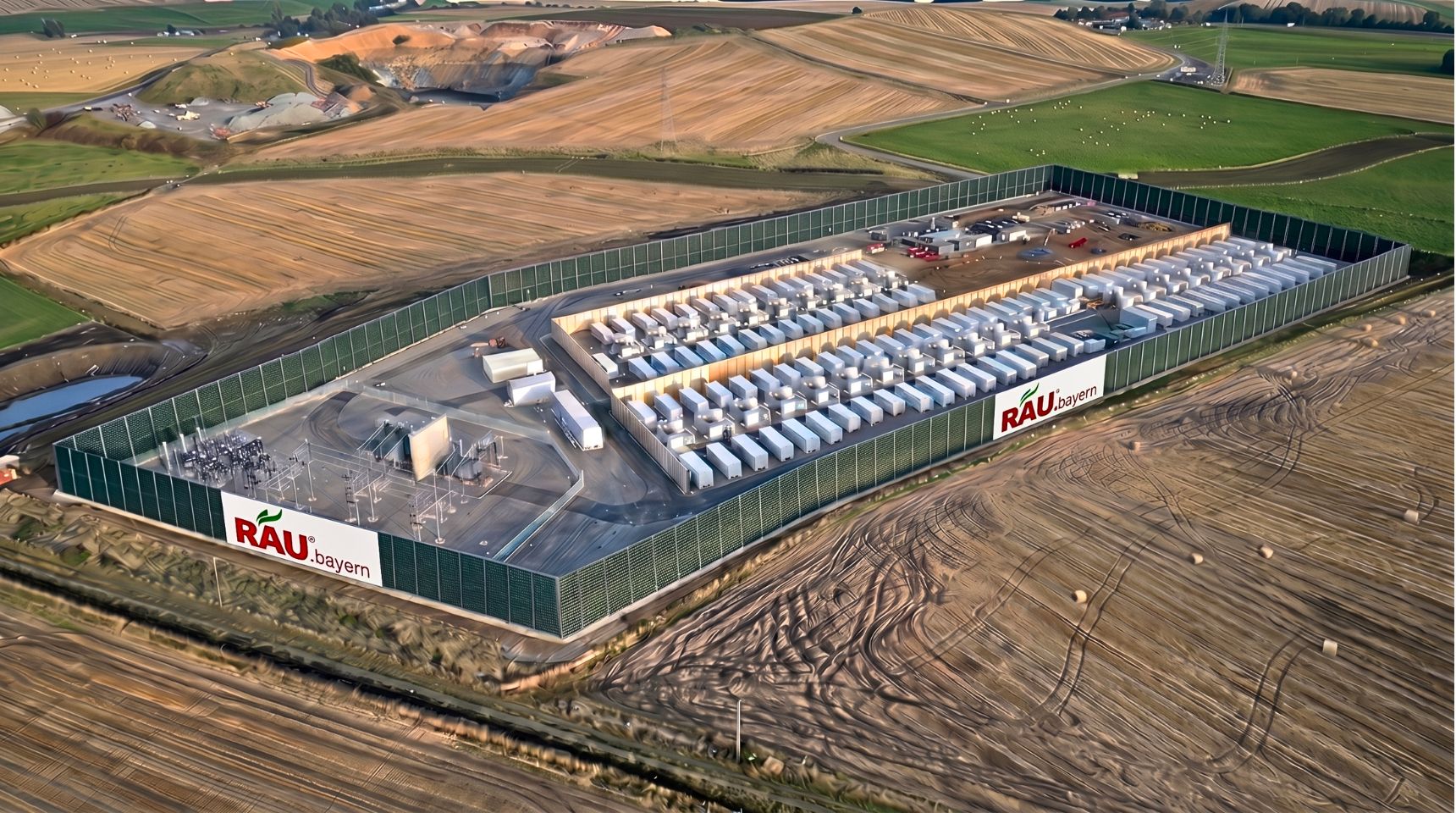
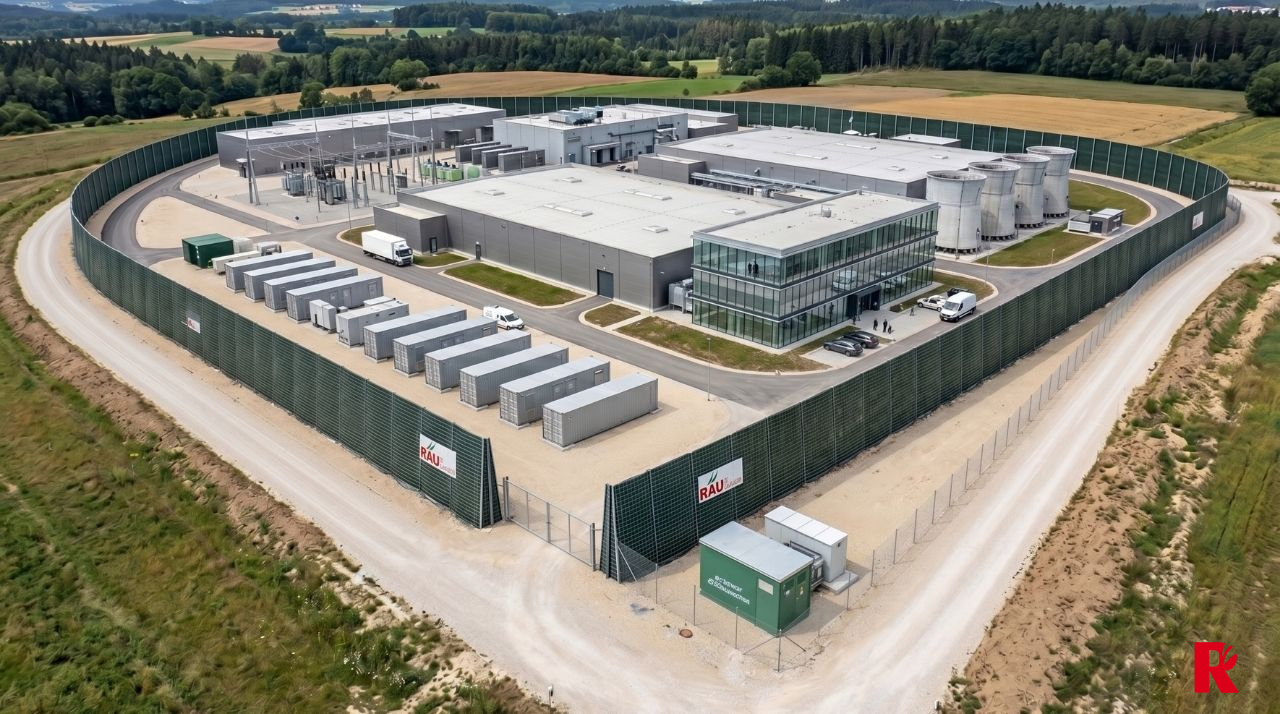
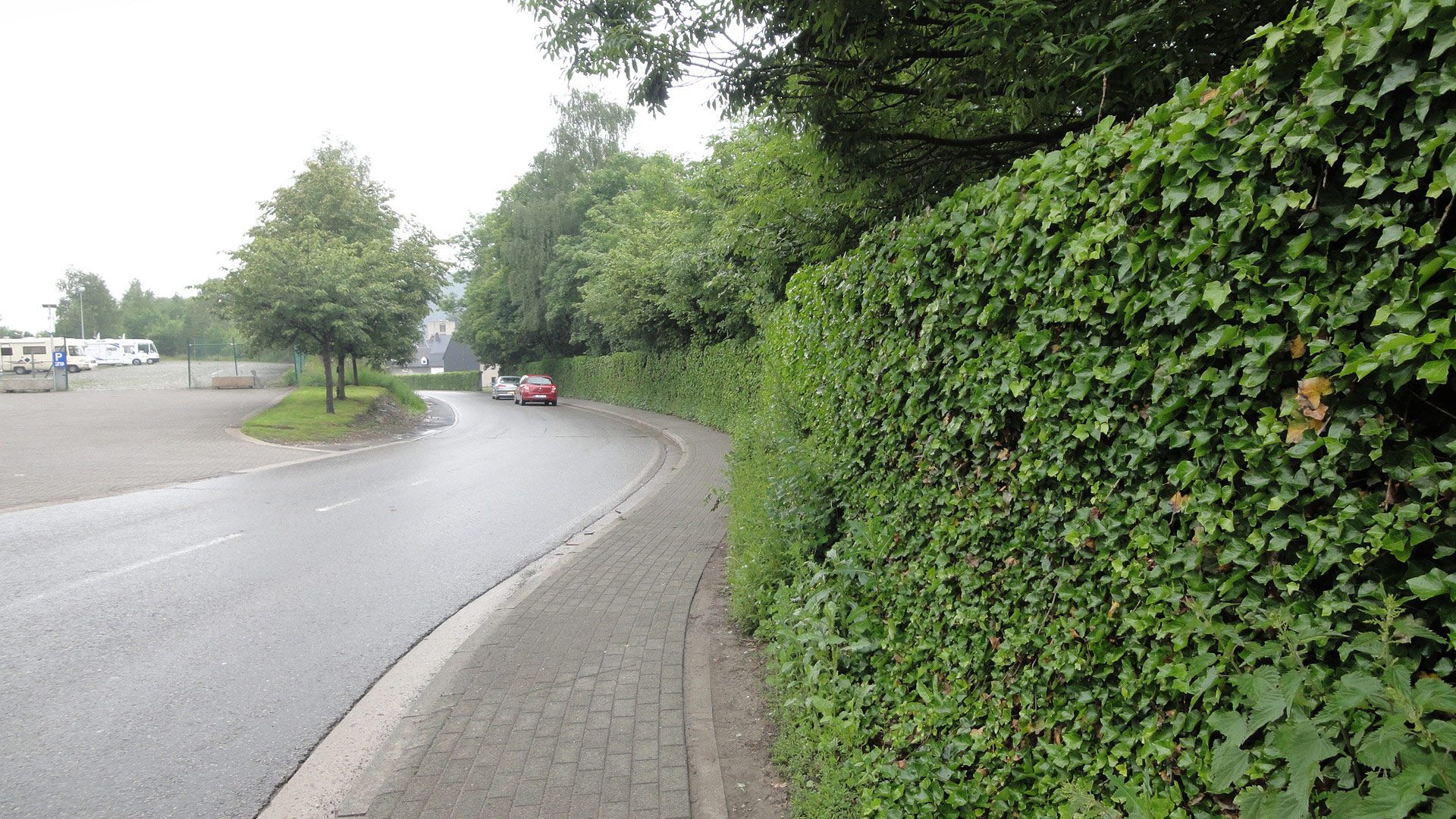
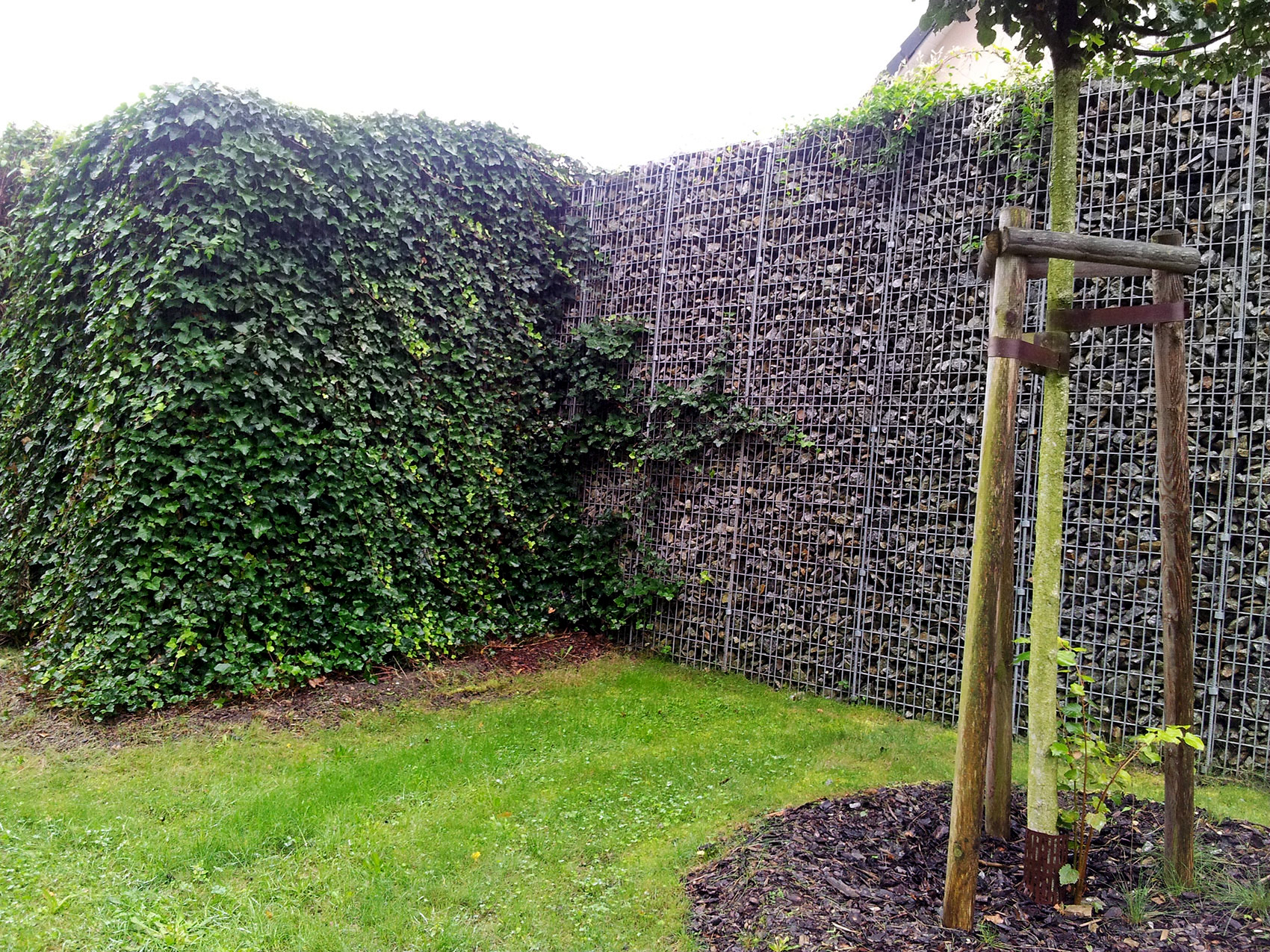
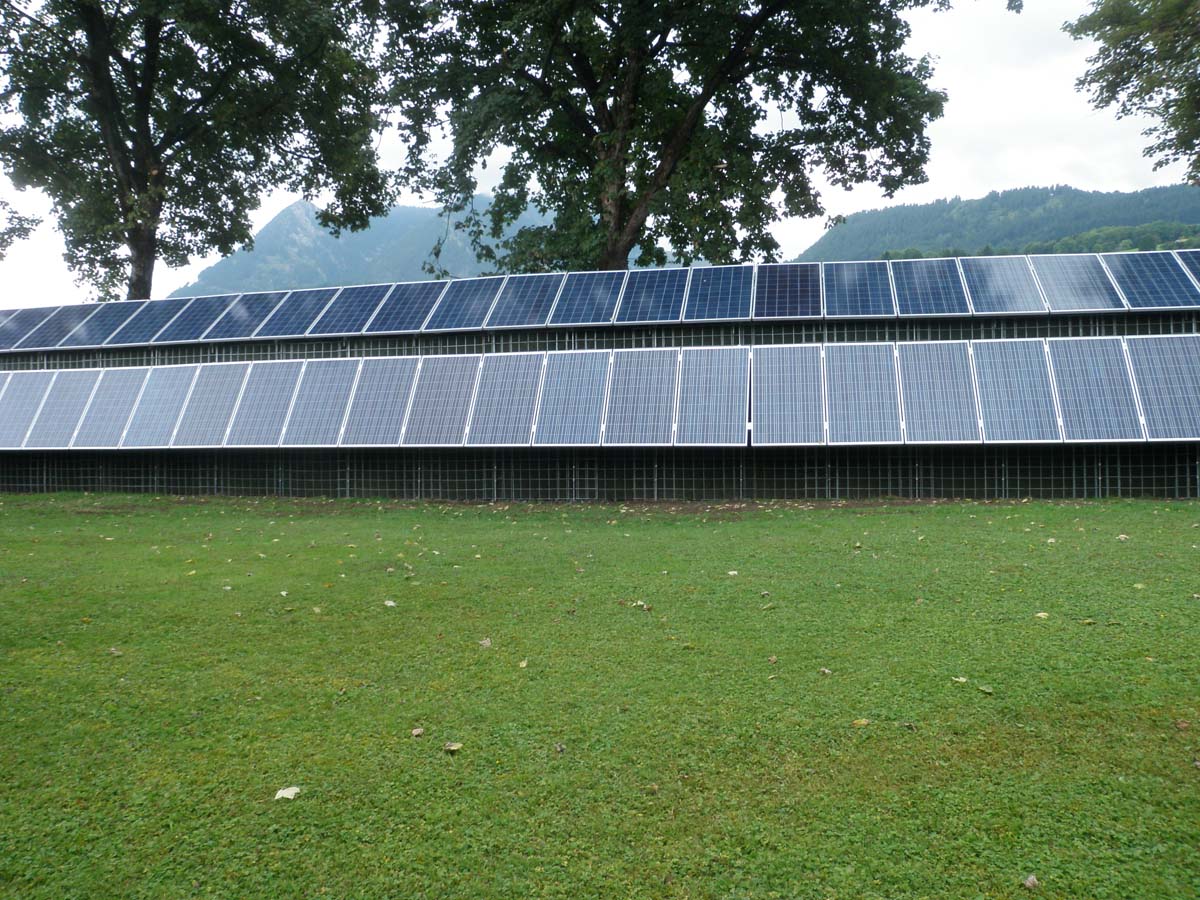
For BESS systems operating 24/7, noise protection designed for nighttime use is necessary because battery storage systems operate continuously at night, and the TA Lärm (Technical Instructions on Noise) sets lower guideline values during those hours. RAU.bayern has designed the RAU Bess noise protection system for this purpose—a highly absorbent wall to counteract the continuous noise from cooling systems and inverters. Unlike a production hall at the end of a shift, a storage facility has no quiet period during which the wall would be unnecessary. We therefore design the wall to account for the condition with fans running, not the average level over the course of the day. The vegetation at the base of the wall requires no irrigation, so the sound barrier functions without any operational costs for the operator. A Climate Handprint is available for the R3 climate wall; the wall structure is filled with soil sourced locally.
Why is the nighttime period the key assessment scenario for battery storage systems?
For battery storage systems, the nighttime period is the decisive assessment scenario because the system operates at the same cooling capacity between 10 p.m. and 6 a.m. as it does during the day, while the Technical Instructions on Noise (TA Lärm) specifies lower immission guideline values for these hours. In a general residential area, the nighttime limit is 40 dB(A); in a mixed-use area, it is 45 dB(A); and in an industrial area, it is 50 dB(A). Grid services such as balancing power or the temporary storage of solar power mean that inverters and cooling systems operate under load, especially at night. The continuous noise from the fans in the containers is therefore not a short-term event, but a steady noise level throughout the entire night. For the design of the RAU Bess noise protection system, this means that we do not design the wall based on an average value, but rather on the cooling system’s full-load condition. The wall must completely block the line of sight between the fan openings and the bedroom windows of the nearest residential buildings. We base our work on the load profiles provided by the project developer for the grid connection and on the operator’s acoustic report. The technical principles of the highly absorbent wall systems are summarized on our page about the RAU Bess noise protection system.
What role does continuous noise play compared to short-term noise peaks?
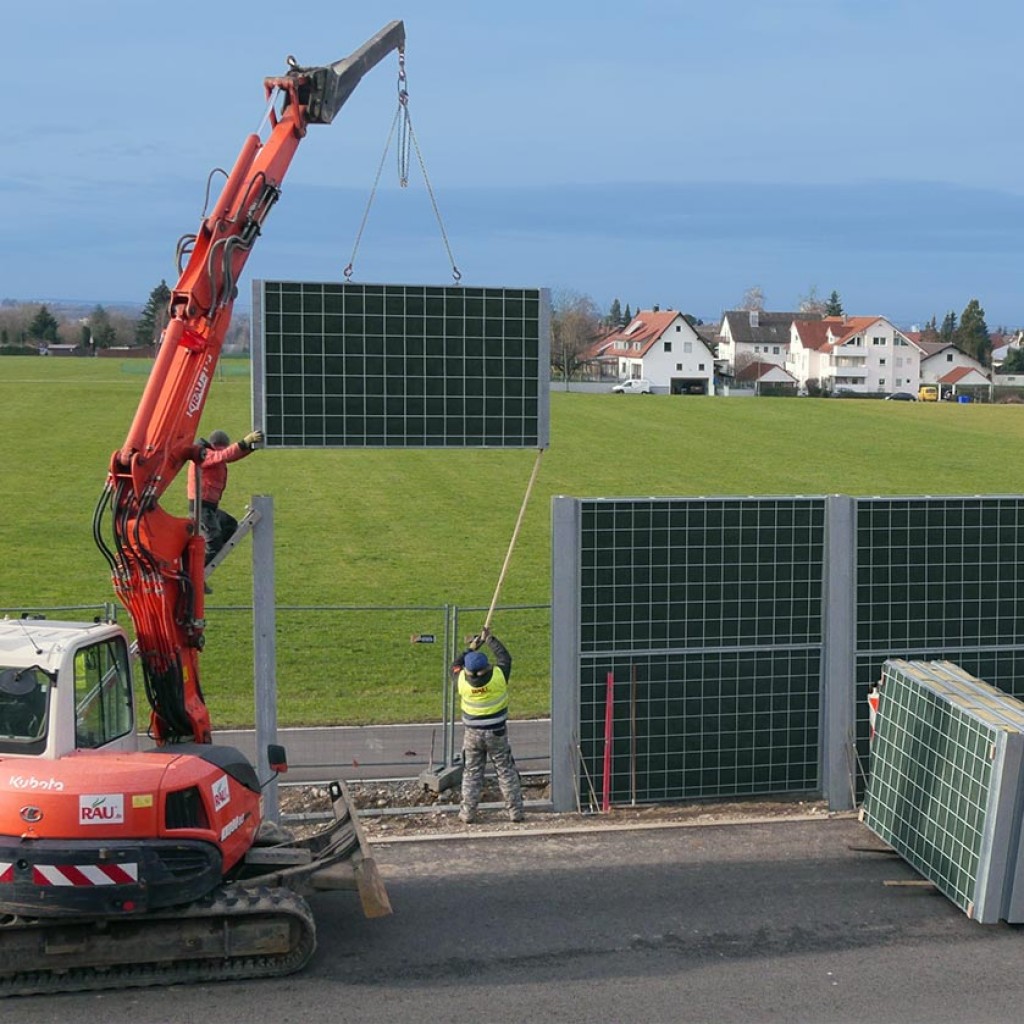
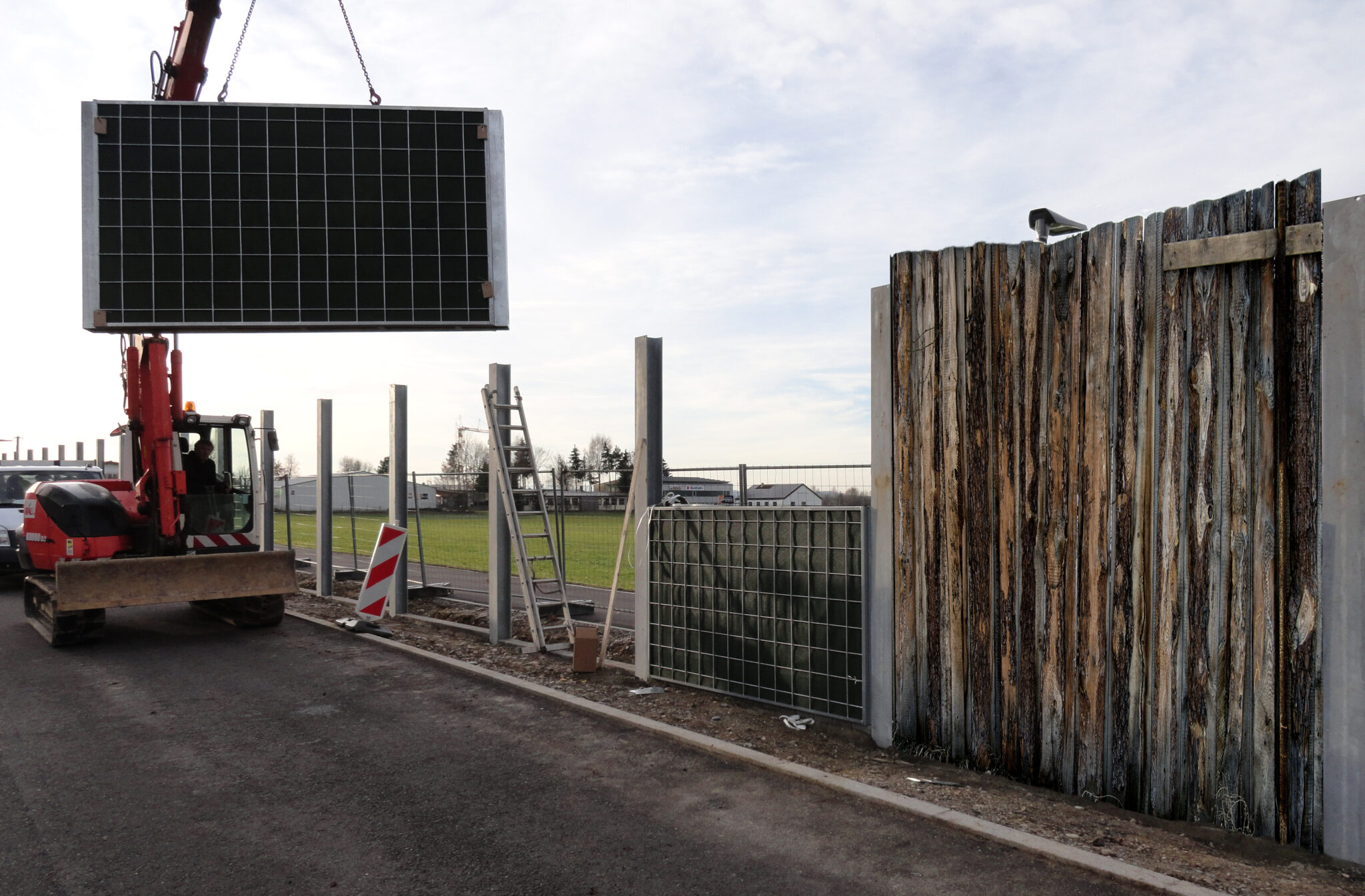
The continuous noise from a BESS system determines the assessment level, while short-term noise peaks are evaluated separately in accordance with TA Lärm and must not exceed the guideline value by more than 20 dB(A) at night. In battery storage systems, noise peaks occur, for example, when fan groups start up or when transformers are switched on, but the background noise comes from the containers’ cooling systems and the inverters. A noise barrier is effective against both, provided it is tall enough and located close to the source. We therefore position the barrier as close as possible to the row of containers, taking into account maintenance access routes and coordination with the fire safety plan. The highly absorbent surface of our systems reduces the risk that continuous noise will be reflected multiple times between the barrier and the container wall and escape elsewhere. For storage facilities with limited space between the fence and the containers, we use the RAU Rock Extensiv with a minimum width of 13 cm. Filling it with soil sourced on-site maintains the wall’s volume stability, which is crucial for effective sound shielding throughout the facility’s entire operational life. Our service teams check during customer service visits whether vegetation and the wall structure maintain the planned height.


