
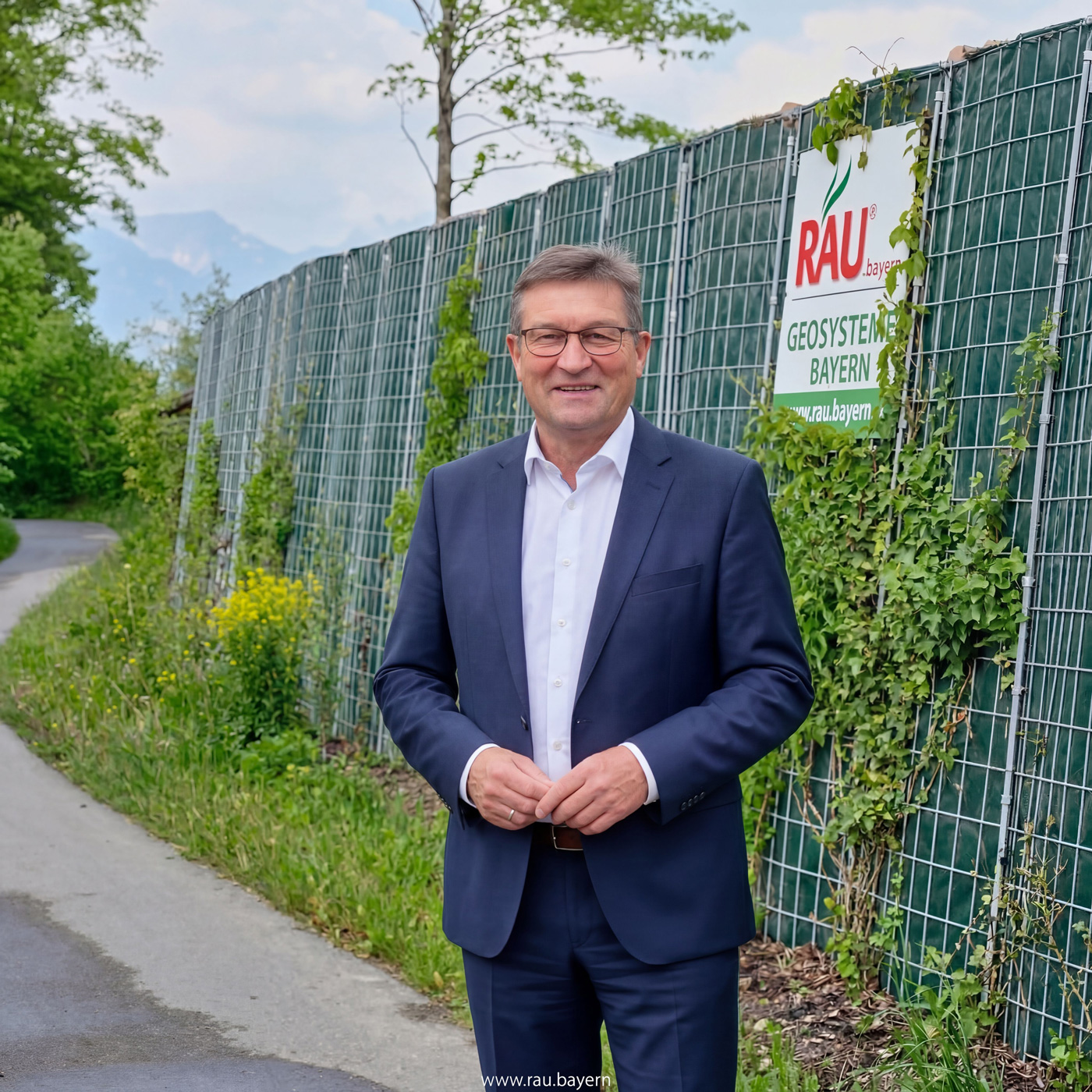
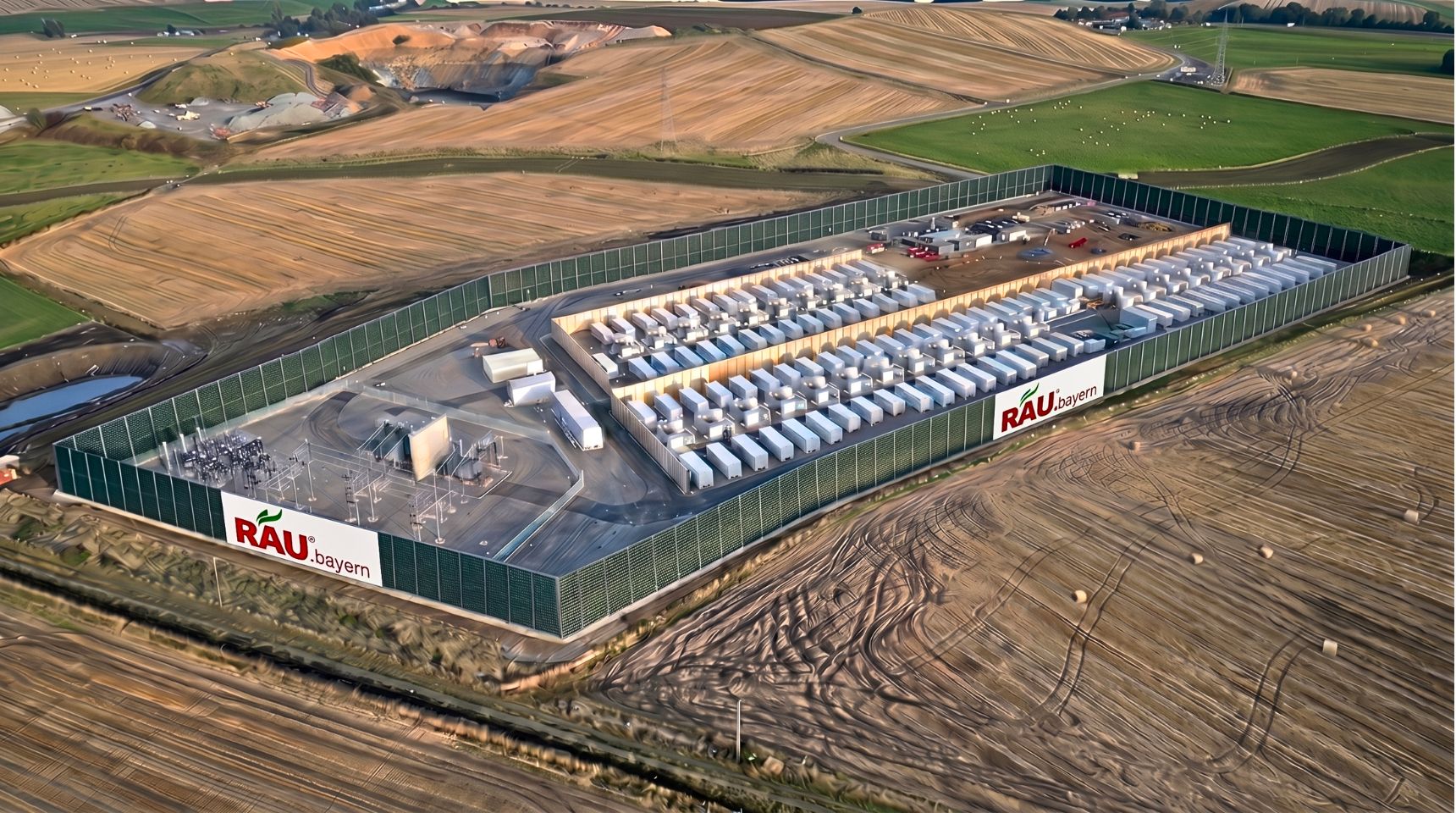
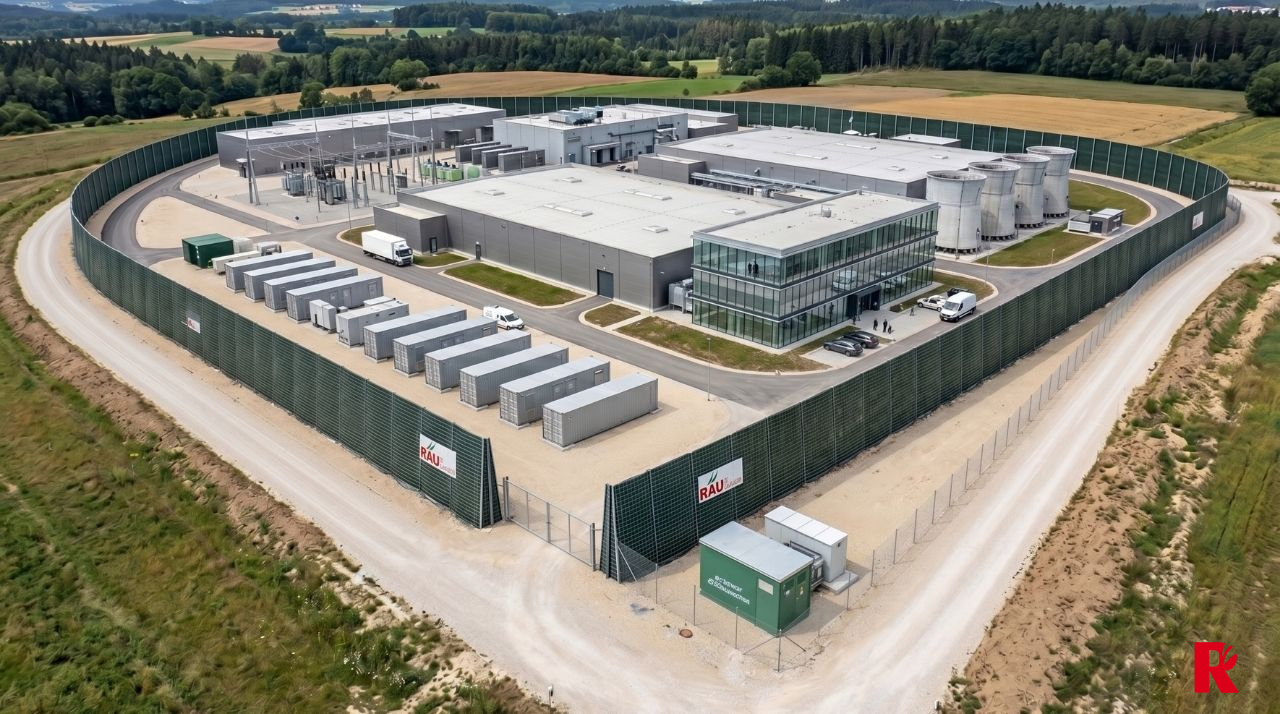
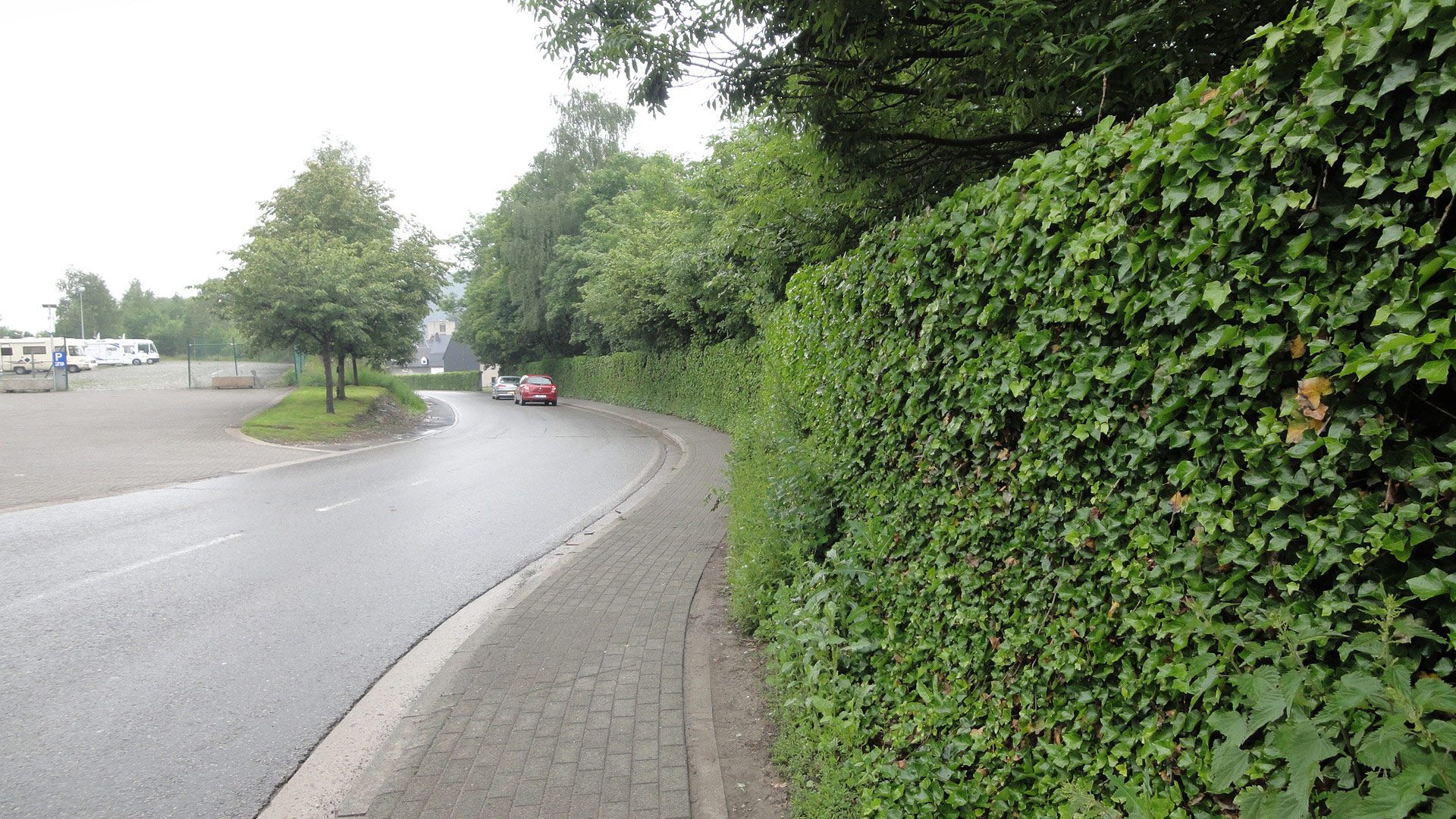
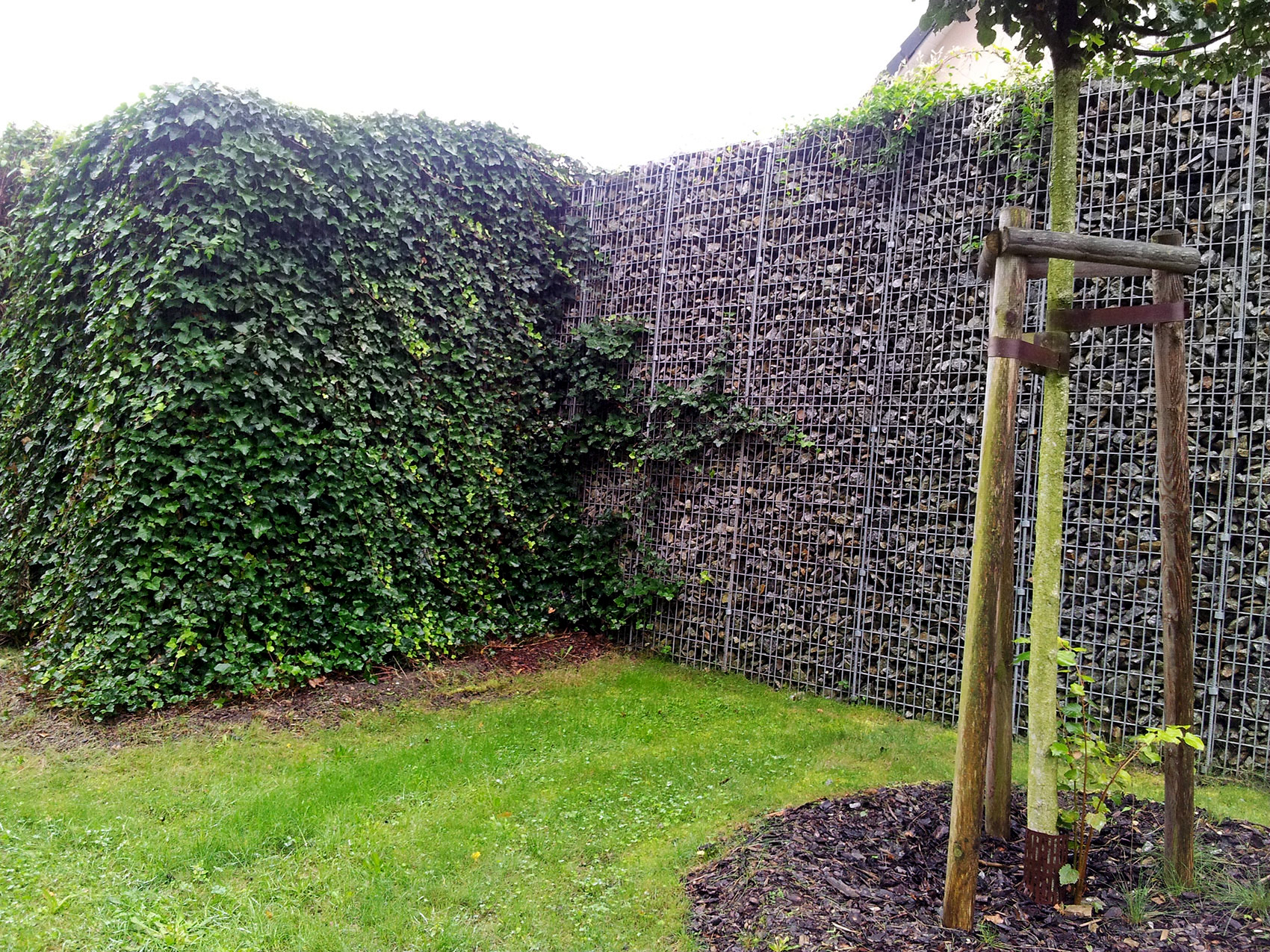
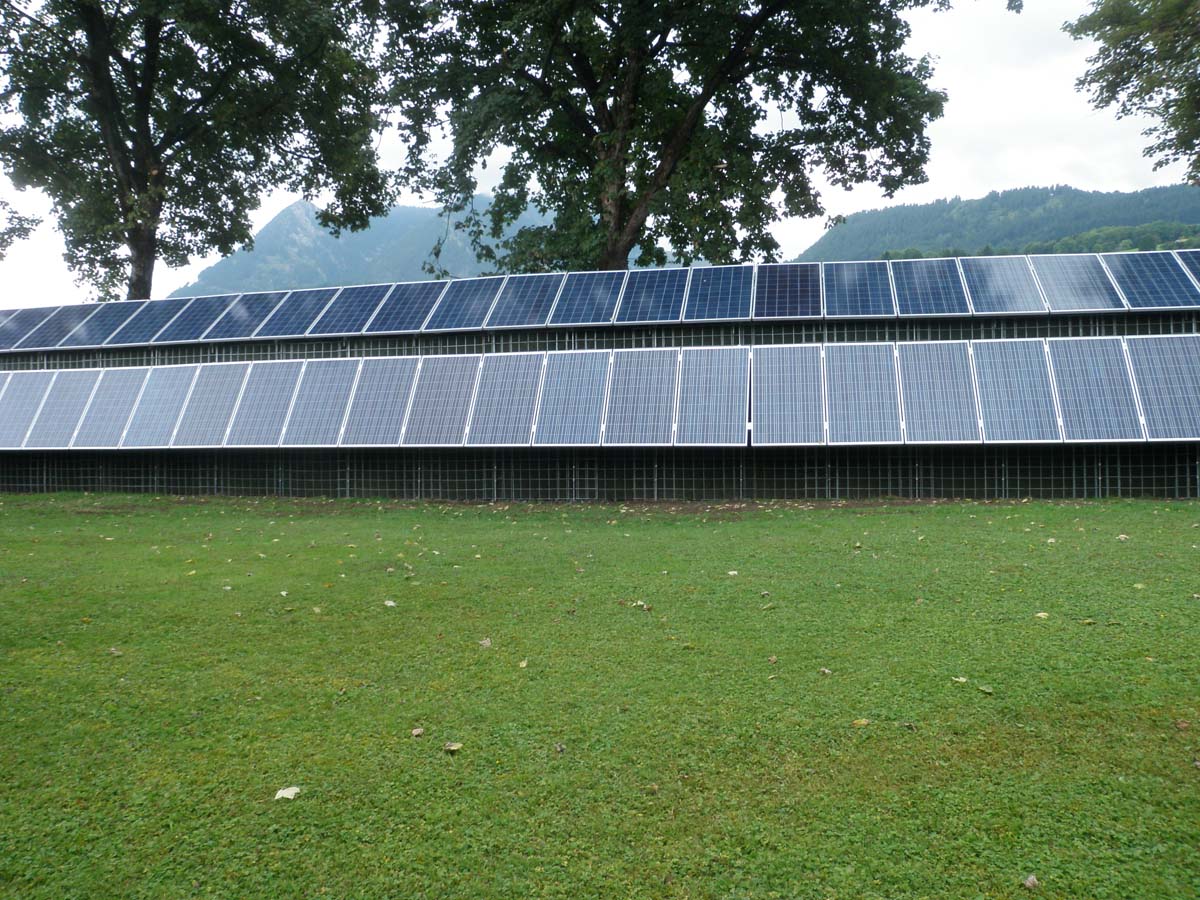
Green instead of gray—green noise barriers combine effective sound insulation with a living structure that traps fine particulate matter and blends into its surroundings. In our systems, the vegetation is planted at the base of the wall and is nourished by natural precipitation; due to the design, we completely do without an irrigation system. The walls are typically filled with soil and mineral raw materials sourced locally, and planted with species native to Bavaria or the region. From our location in Kaufbeuren, we provide consulting, planning, installation, and maintenance all under one roof—either as a turnkey solution carried out by our teams or as a kit for specialized contractors. The result is noise protection that functions as a self-sustaining ecosystem.
How Waterless Landscaping Works
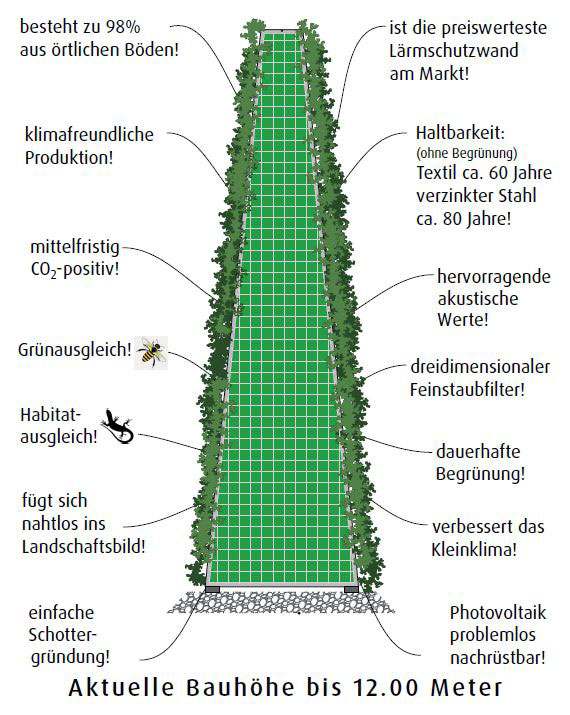
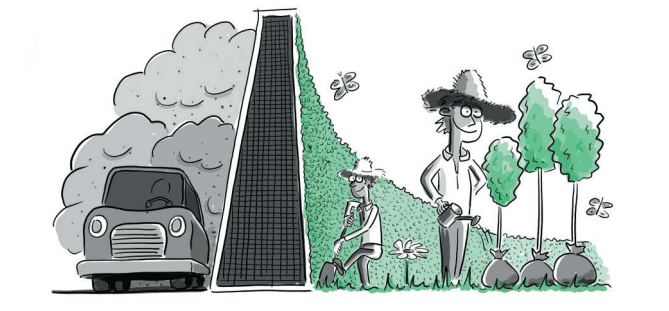
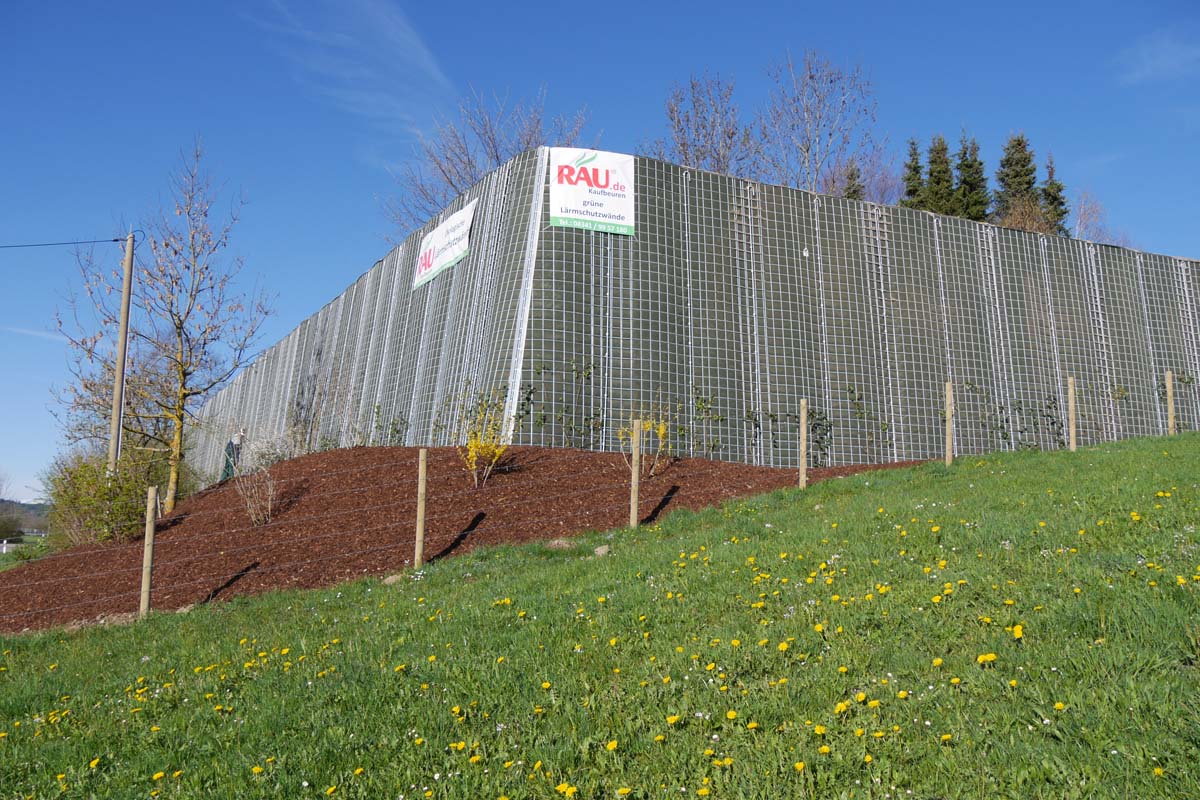
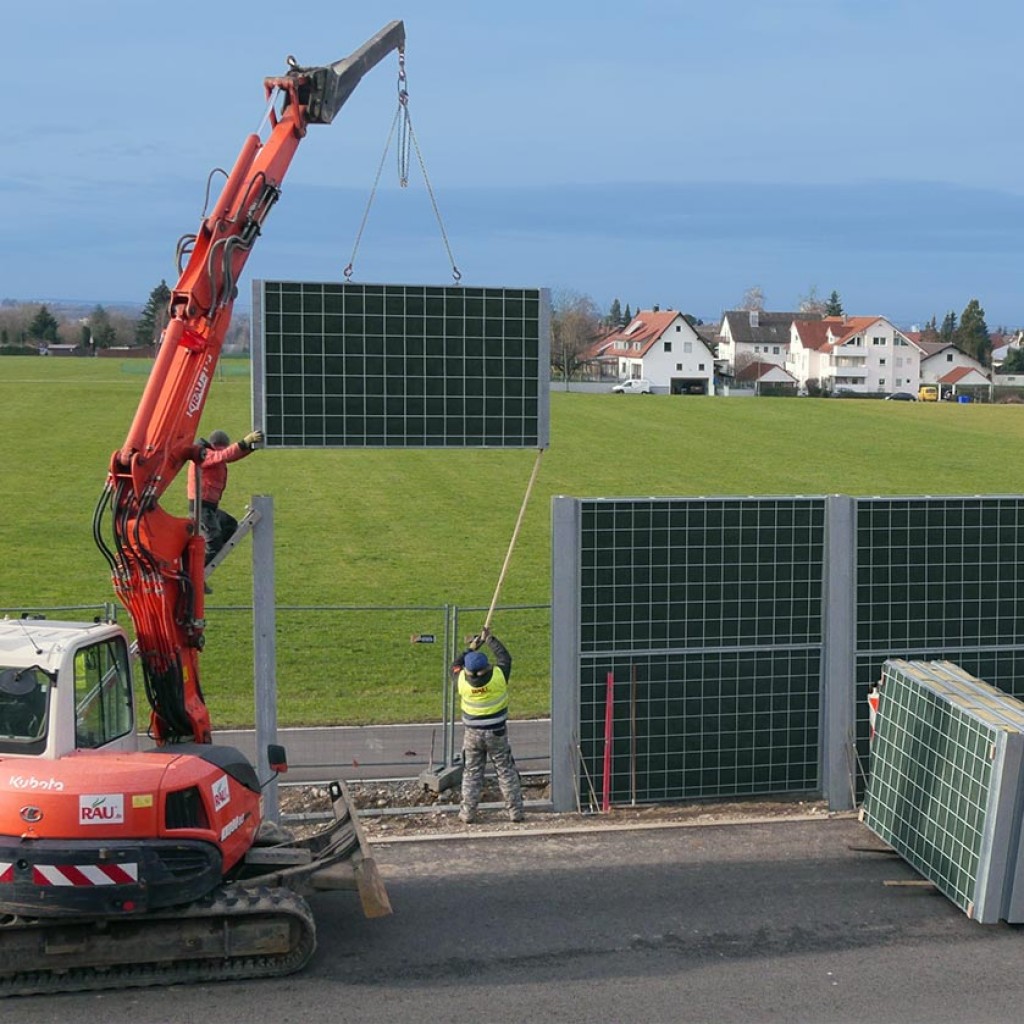
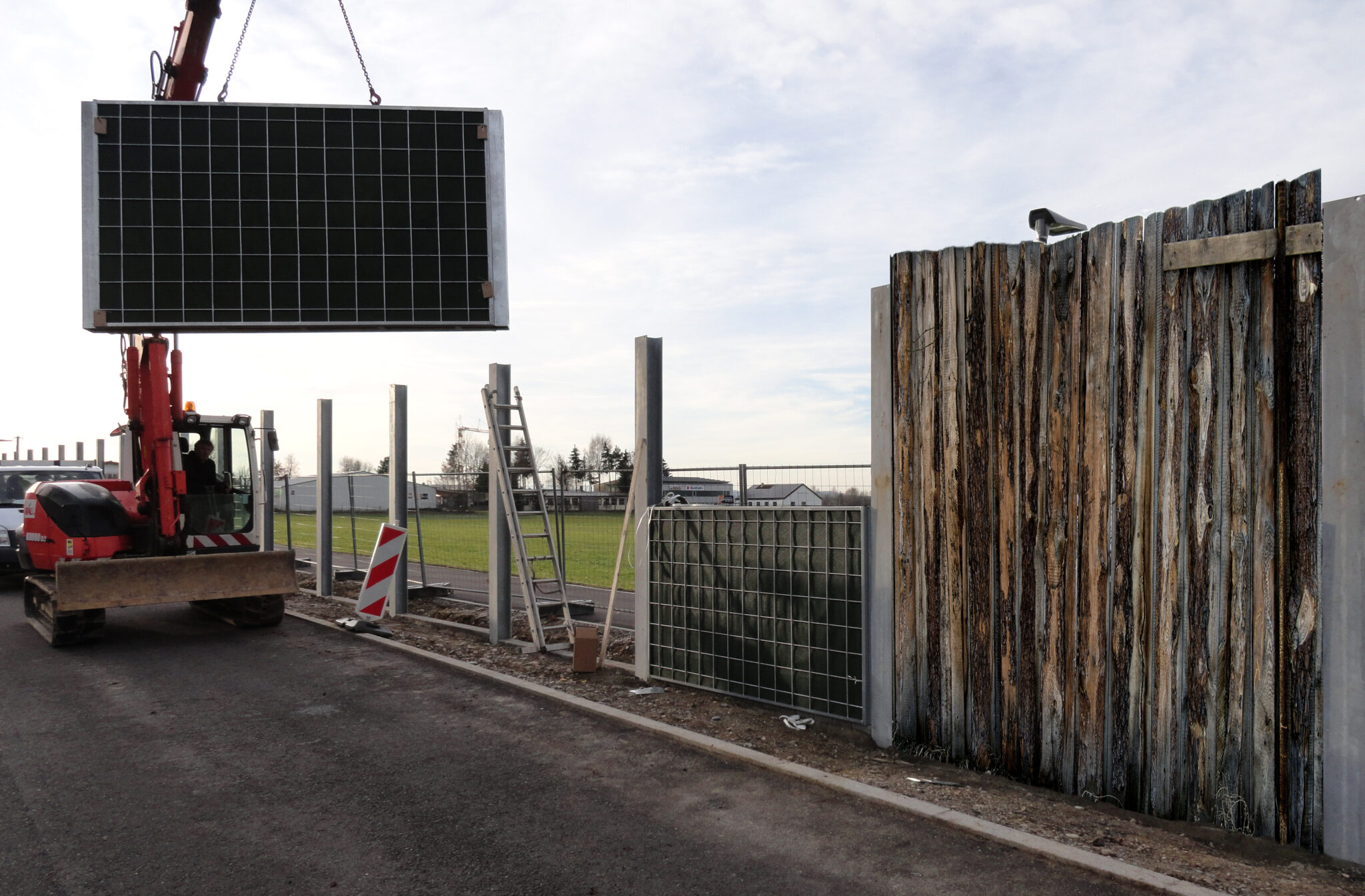
Many green facades ultimately fail because of the technology behind them—pumps, drip hoses, and control systems require maintenance and tend to break down in the summer, precisely when the plants need water. Our approach avoids this dependency, as the plants take root at the base of the wall in natural soil and climb up the wall from there; they draw water from rainfall and ground moisture on their own. If necessary, we add an additional layer of vegetation at the top, which also requires no irrigation. The support system behind it is designed for durability—the RAU Klimawand R3, for example, can be erected to a height of between one and ten meters using its sturdy, easily assembled frame and requires no complex foundation work. Any pourable soil is suitable for filling; we typically use material from local excavation. We deliver the wall elements in space-saving loads; for large installations, one to two trucks are usually sufficient—short distances and low transport emissions are integral to the concept. Upon request, we can combine multiple system types within a single facility if space availability and requirements vary along the route.
More Than Just Acoustics: Fine Particles, Climate, and Public Acceptance
Highly absorbent, green walls absorb sound rather than reflecting it to the other side, and the vegetation also traps fine particulate matter from traffic and the surrounding environment. For building owners with climate goals, the RAU Klimawand R3 provides verifiable evidence; its Climate Handprint demonstrates that emissions from raw materials, production, transportation, and construction are offset by the emissions sequestered by the greenery within a few years; the CO₂ accounting has been verified by KlimAktiv. Equally important is the on-site impact—residents experience a vegetated, living space rather than a technical barrier, which noticeably increases acceptance of the projects. Our project in the new development area in Traunstein demonstrates how this looks in a residential setting, where a roughly 70-meter-long Klimawand protects a new neighborhood along a state highway. Upon completion, our service teams will take over maintenance upon request—the extensively designed vegetation is intentionally low-maintenance and keeps costs low throughout its entire service life.


