
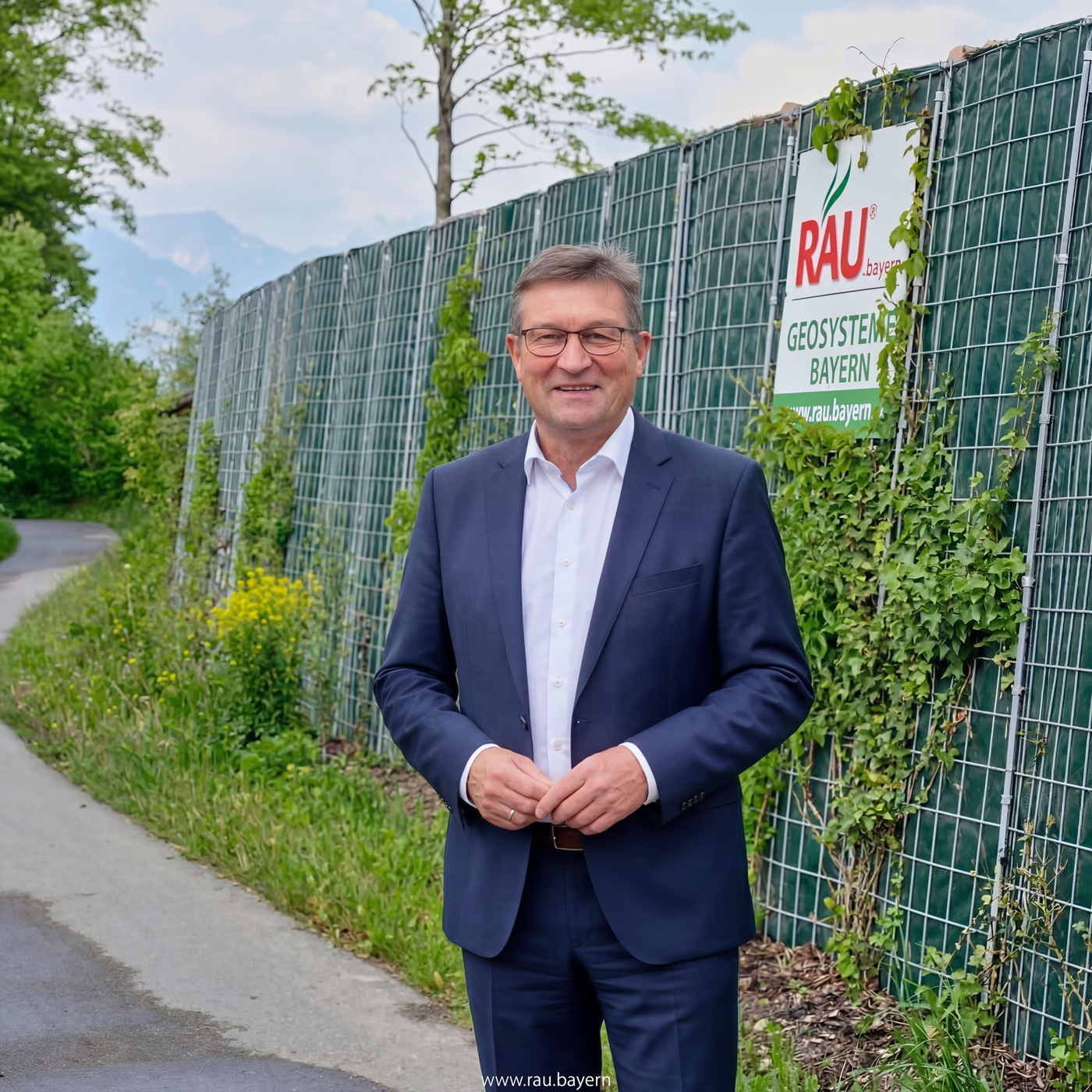
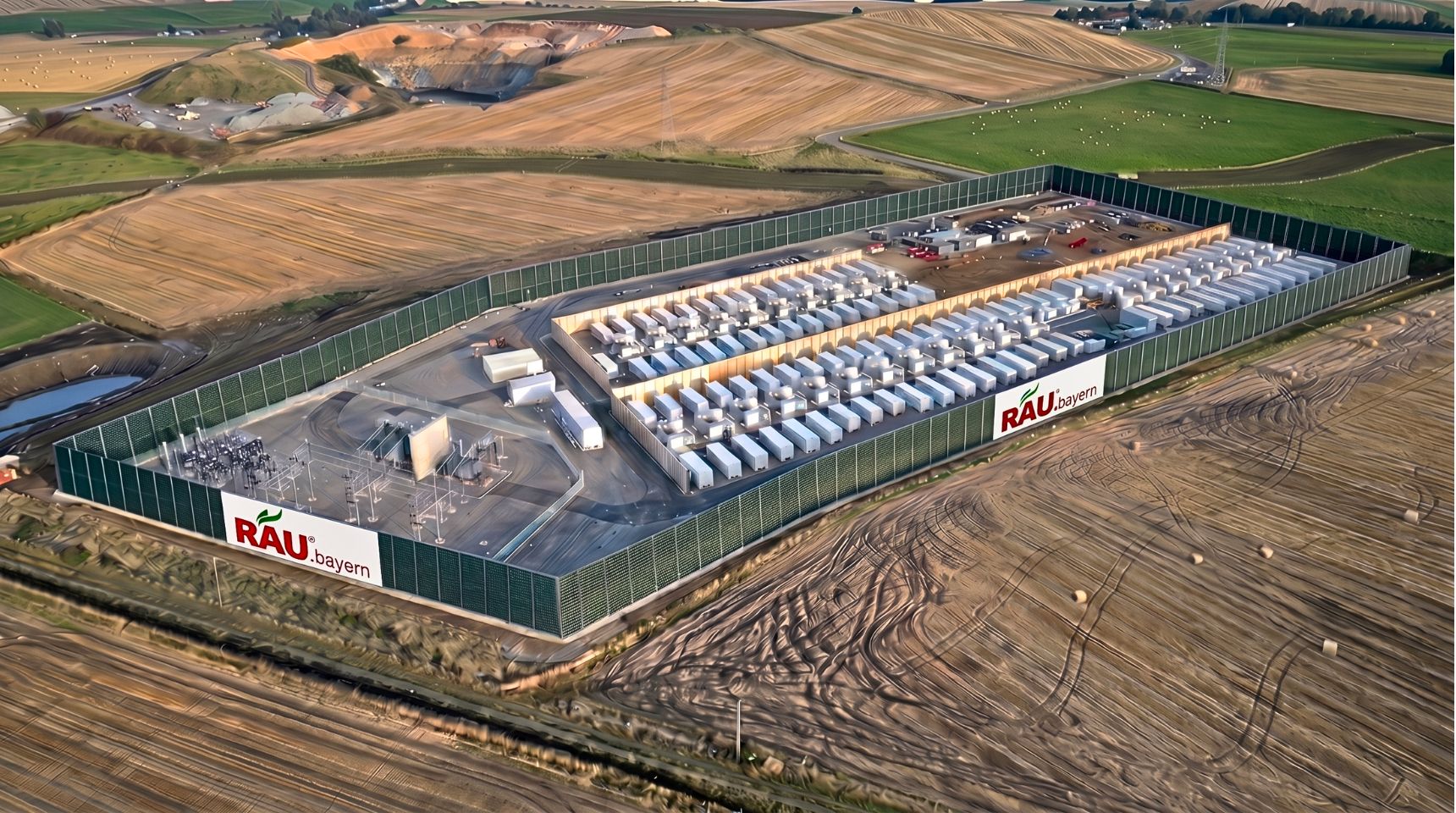
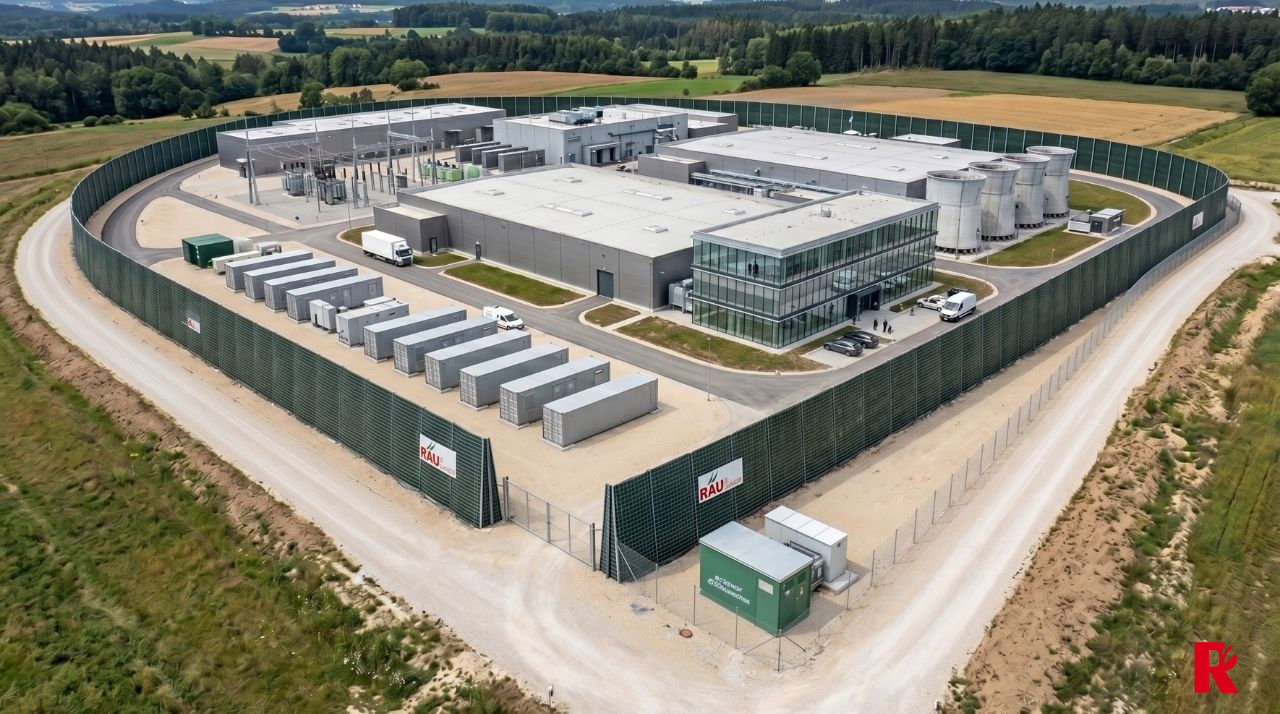
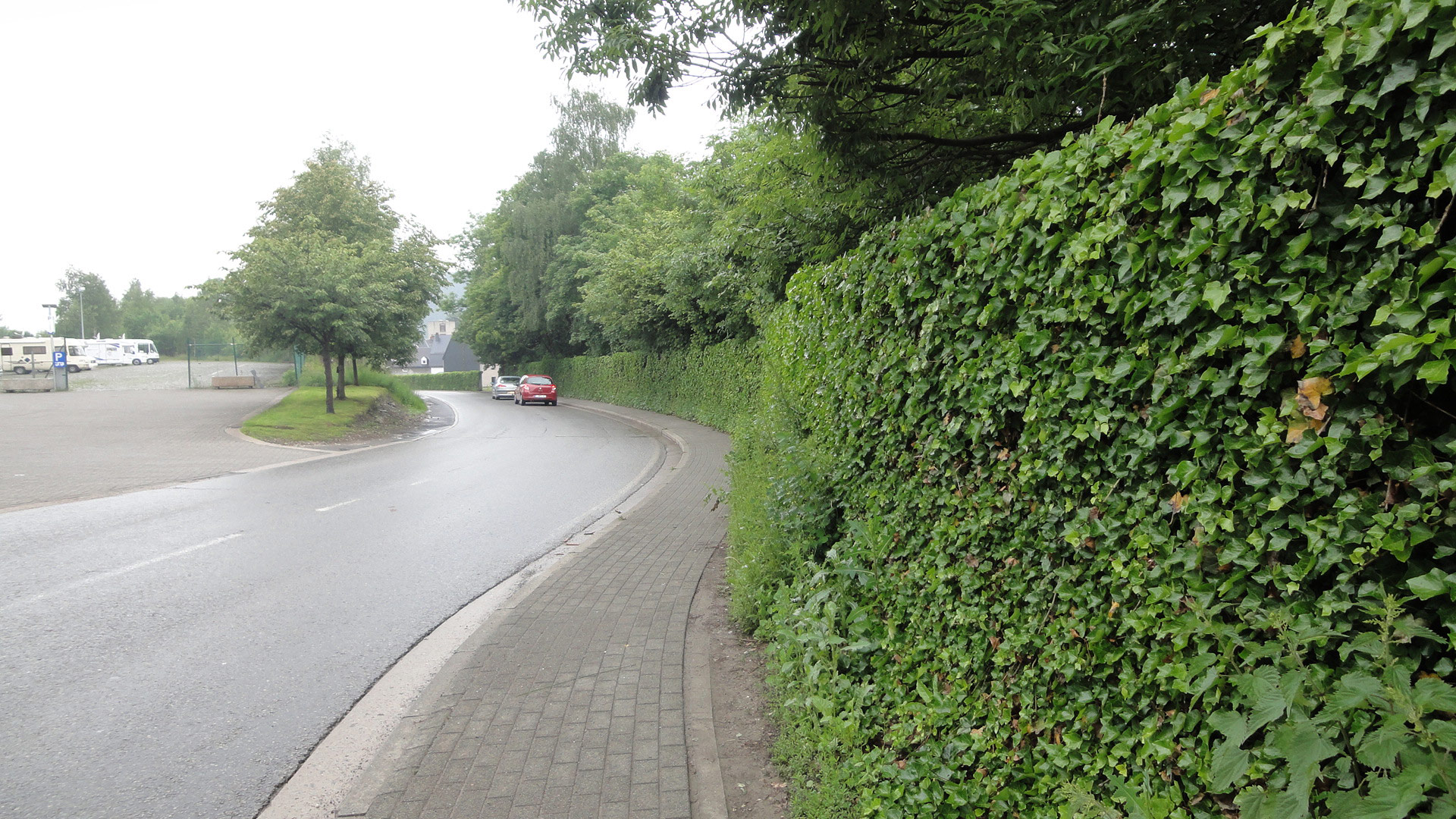
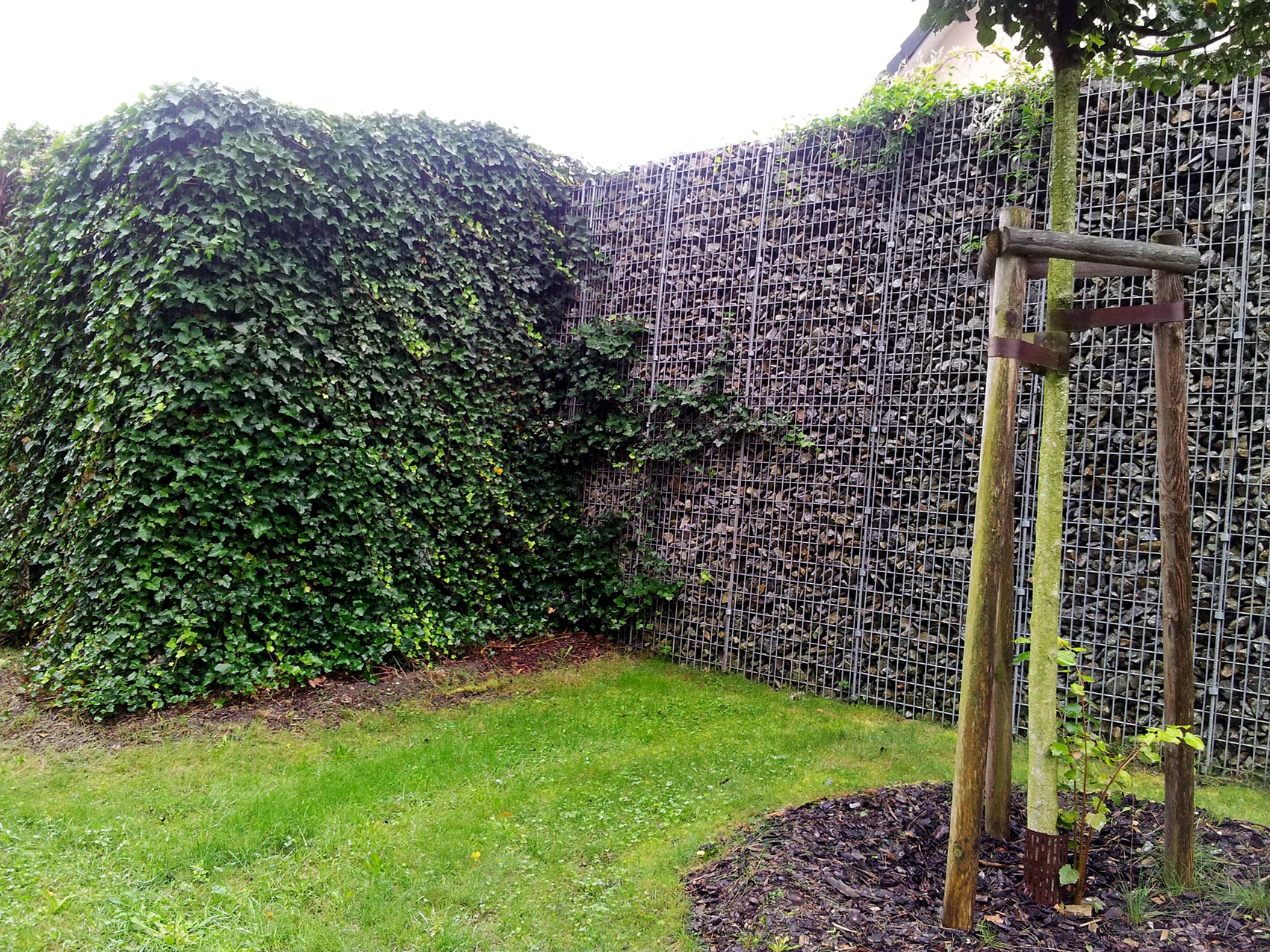
Bypasses divert traffic from the town center to the outskirts—and with it, noise—to the front yards of homes on the outskirts and into previously quiet new residential areas. Municipalities are then caught between relieving congestion in the town center and creating new nuisances on the outskirts of the community. Green noise barriers mitigate this conflict of objectives because they acoustically contain the new route while also serving as a green town boundary rather than a technical structure in the landscape. With RAU Alpin, we also offer a design featuring a natural stone basket appearance with a monolithic sand core for locations where the barrier is intended to reflect regional building styles. Planning, bid specifications, installation, and maintenance are all provided from a single source at our Kaufbeuren location.
The Outskirts of a Village Instead of a Sound Barrier—Design Plays a Key Role
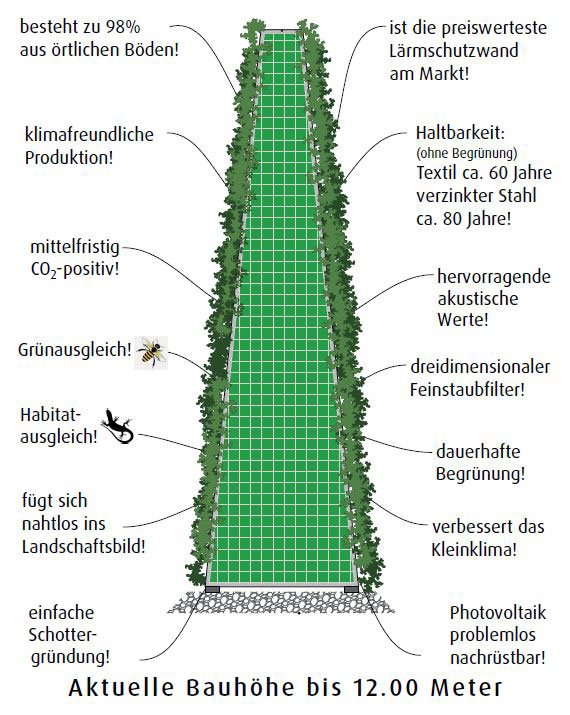
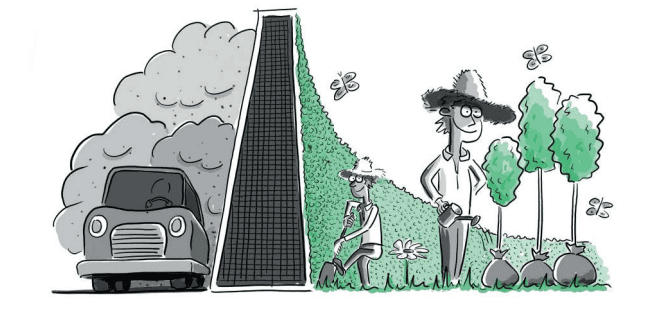
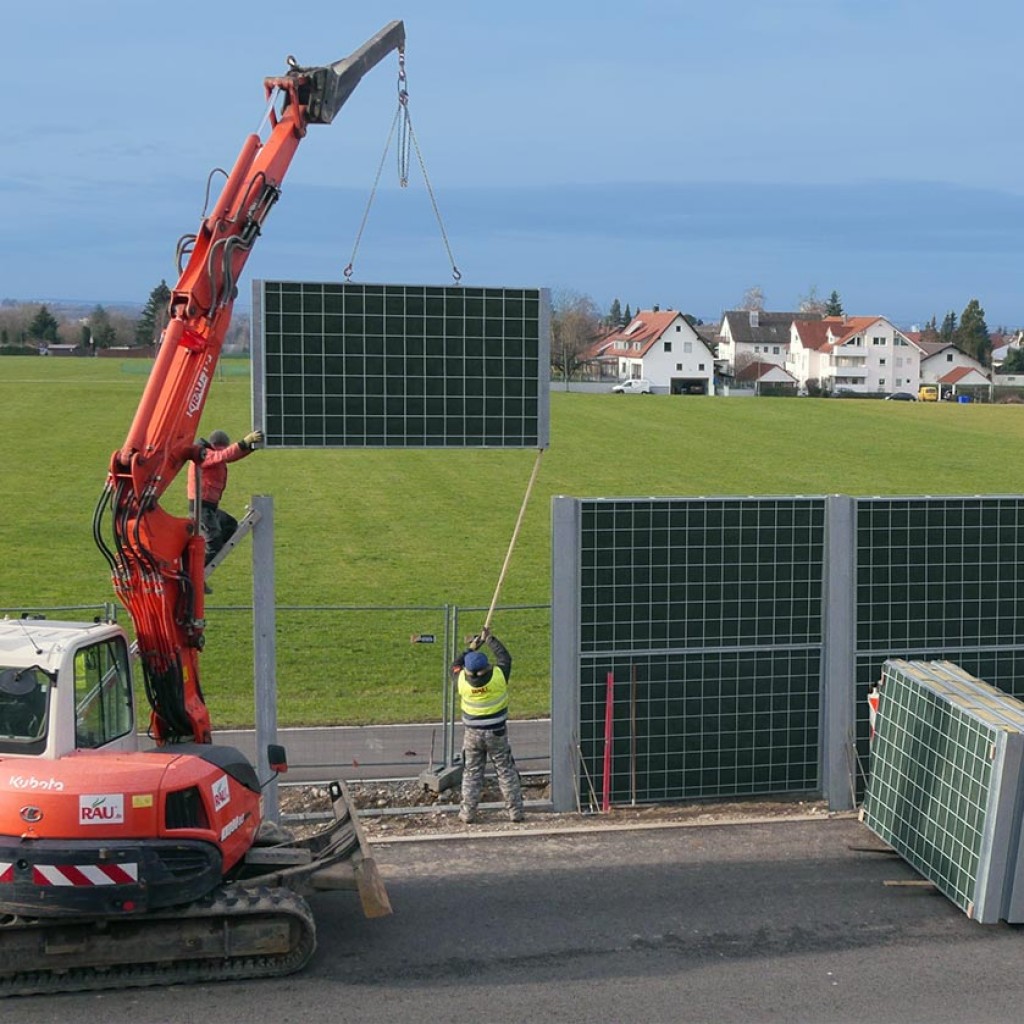
Bypass roads are built in open countryside, where retaining walls are visible from afar and shape the landscape of the town’s outskirts for decades. Local council members and residents therefore evaluate designs not only based on noise levels, but also on what will be visible on the horizon in the future. Our green systems make the wall appear as a vegetated border; where a stone-like appearance fits the regional architectural culture, the RAU Alpin noise barrier—with its natural stone basket design and monolithic sand core—is used. Both designs are highly absorbent and absorb traffic noise rather than reflecting it into the surrounding area. They are typically filled with soil and mineral raw materials sourced locally—a particularly obvious choice for bypass roads where earthwork is underway, as excavated material can be reused directly. For the planning approval or zoning plan process, we provide construction drawings and bid specifications, including landscaping plans for the transition into the open countryside. The result is a town outskirts area that is supported by both the municipality and local residents alike. Upon request, we provide visualizations that clearly illustrate the future town fringe to the municipal council and at town hall meetings.
Plan New Development Areas on the Outskirts of Communities Early On
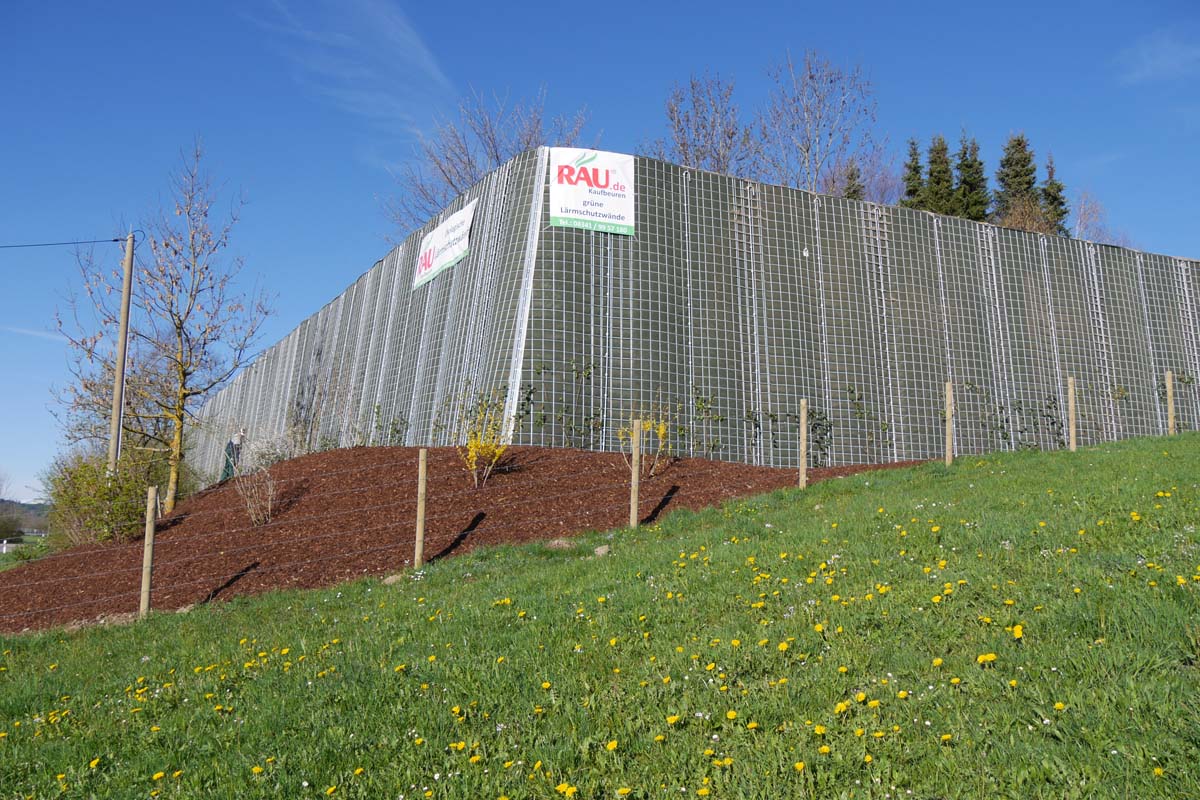
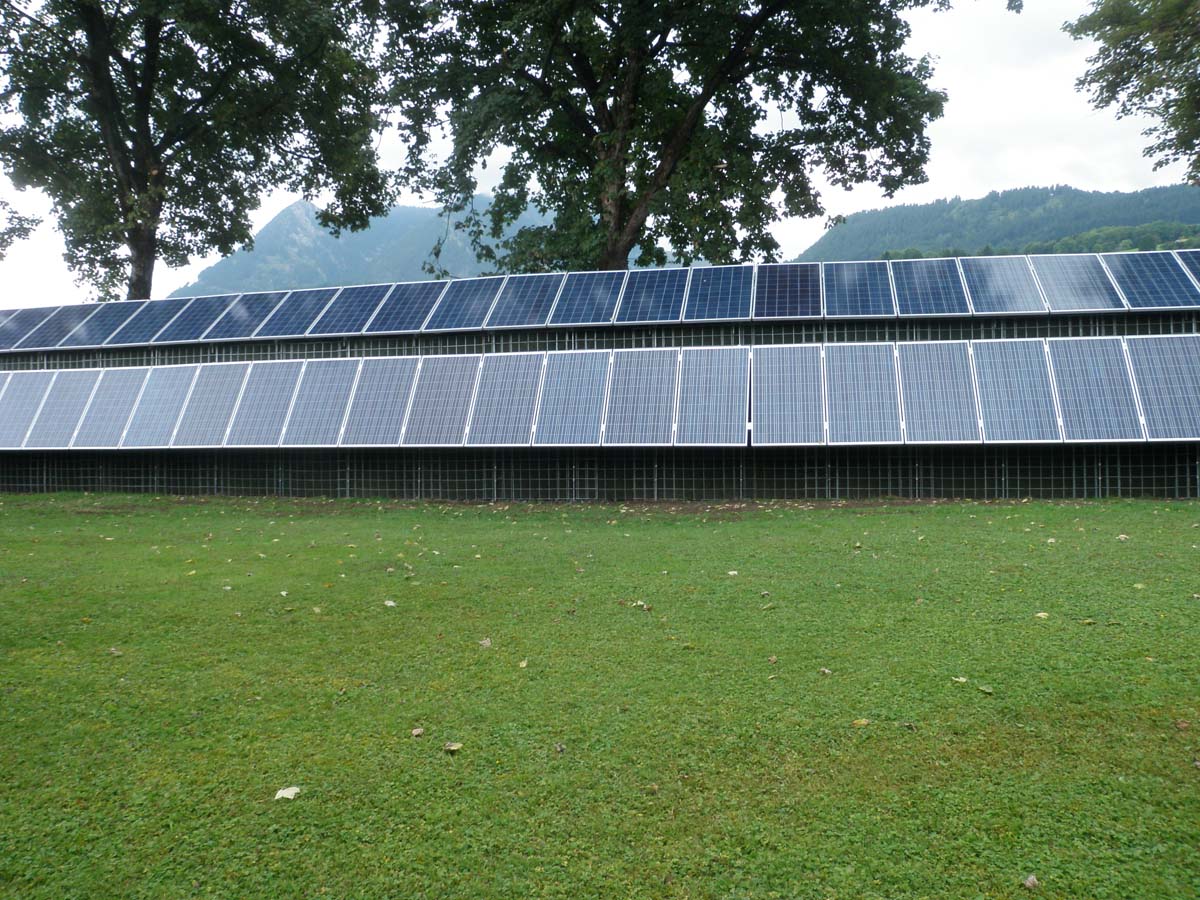
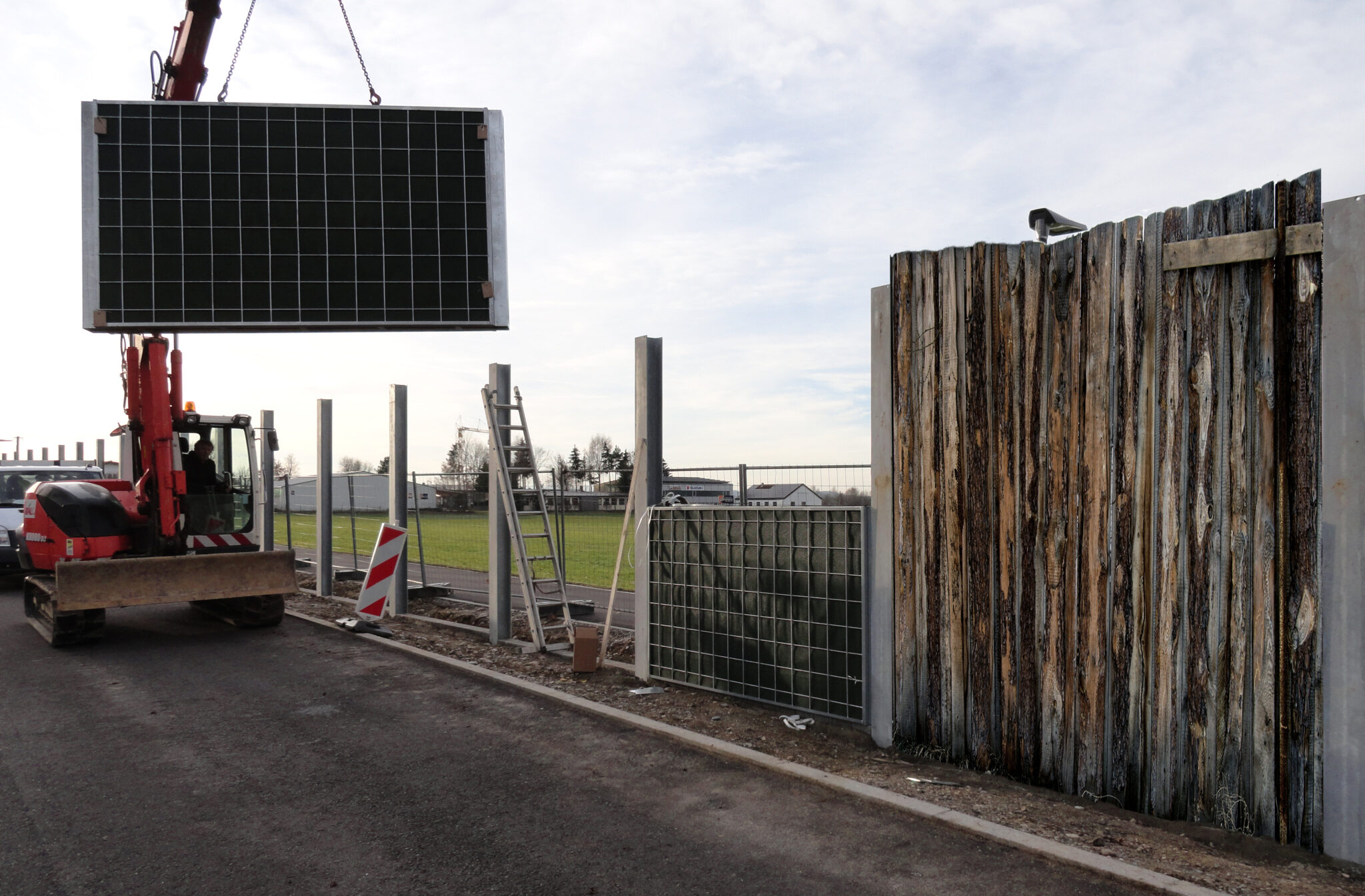
Many municipalities are developing new residential areas parallel to the bypass, with lots that will later be located directly along the route. If noise protection is only addressed later in the development plan for the neighborhood, there is often a lack of space and budget—it makes more sense to plan the route, the noise barrier, and the residential area together. We coordinate the wall’s alignment, heights, and passageways with future development and plan the vegetation so that it functions as a landscaped green corridor facing the residential area; our overview of vegetated noise barriers describes which plant communities are suitable and how the vegetation develops. The planting at the base of the wall utilizes natural precipitation, so the municipality does not need to build or operate an irrigation system. The RAU Klimawand R3 allows municipalities to demonstrate their contribution to climate action—its Climate Handprint is backed by KlimAktiv-certified CO₂ accounting. In Pfaffenhofen an der Ilm, we have demonstrated how passageways function; the Klimawand system there includes two integrated noise barrier doors. Upon completion, our service teams will, upon request, handle the maintenance of the vegetation on a municipal schedule.


