
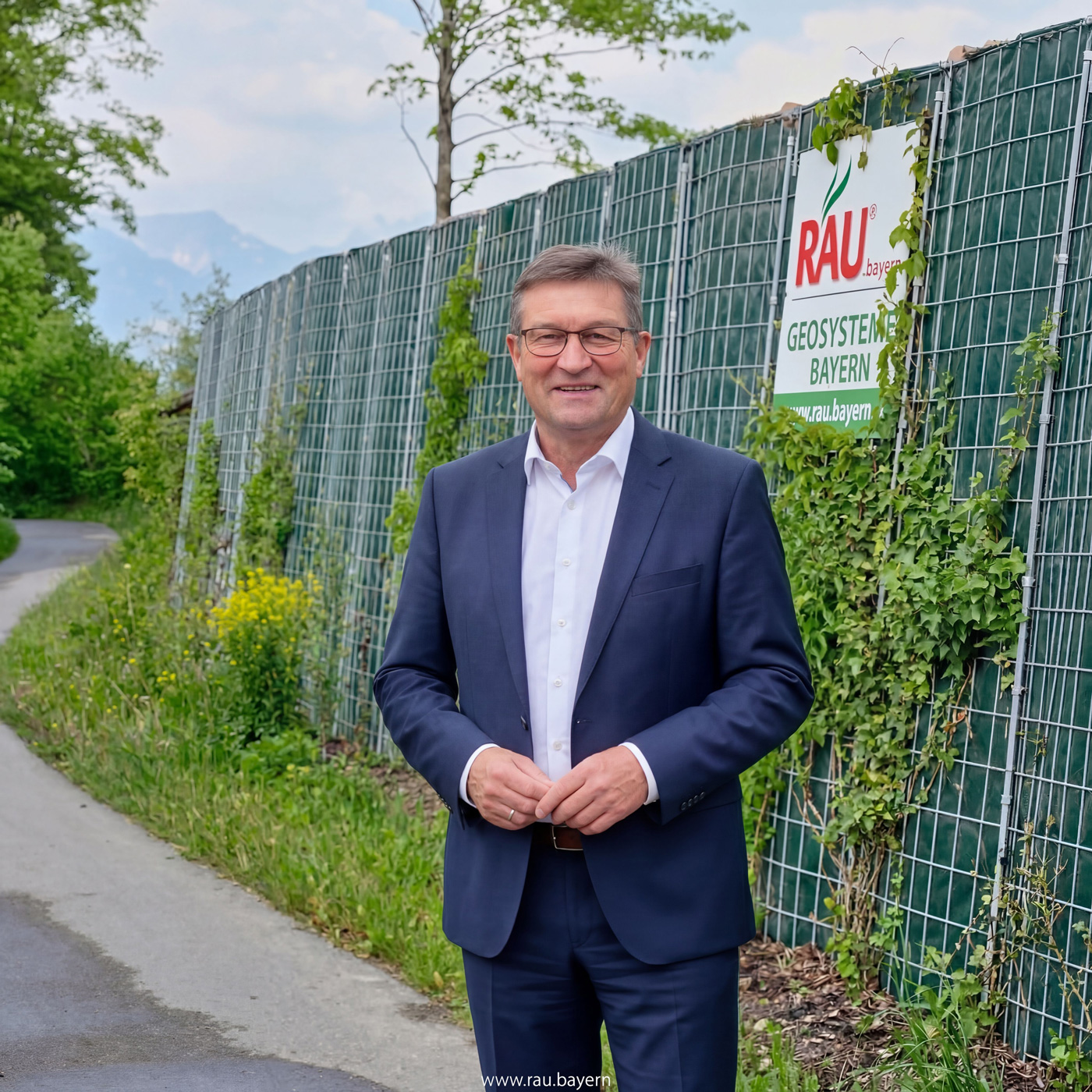
A noise assessment for AI data centers is required as soon as a building permit application is submitted, if a vulnerable neighborhood is adjacent, or if the authorities require documentation in accordance with TA Lärm, and it is updated for each construction phase. RAU.bayern does not prepare the assessment itself, but provides the expert with data from RAU Noise Protection for AI data centers. For data centers, authorities almost always require the assessment because cooling towers and ventilation systems run around the clock, and nighttime noise levels cannot be verified without a calculation. A second trigger is a change in the cooling concept—such as switching from air cooling to liquid cooling with different recoolers—which alters the noise sources. The assessor needs us to provide the height, location, and absorption properties of the wall; greenery without irrigation and backfilling with locally sourced soil are relevant for the permit, not for the calculation.
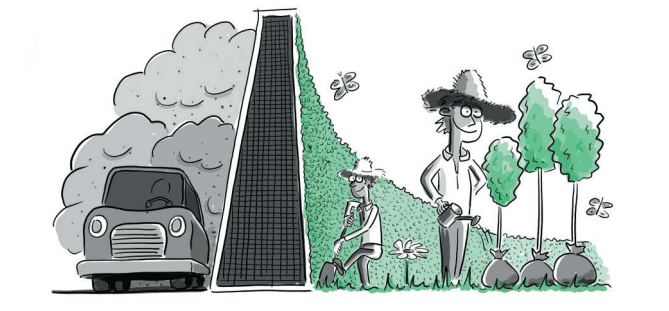
Which components of a data center does the analyst evaluate in the forecast?
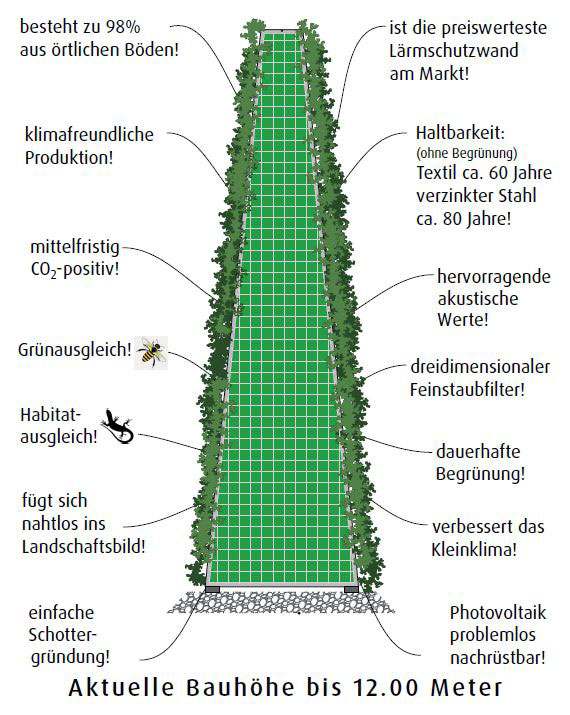
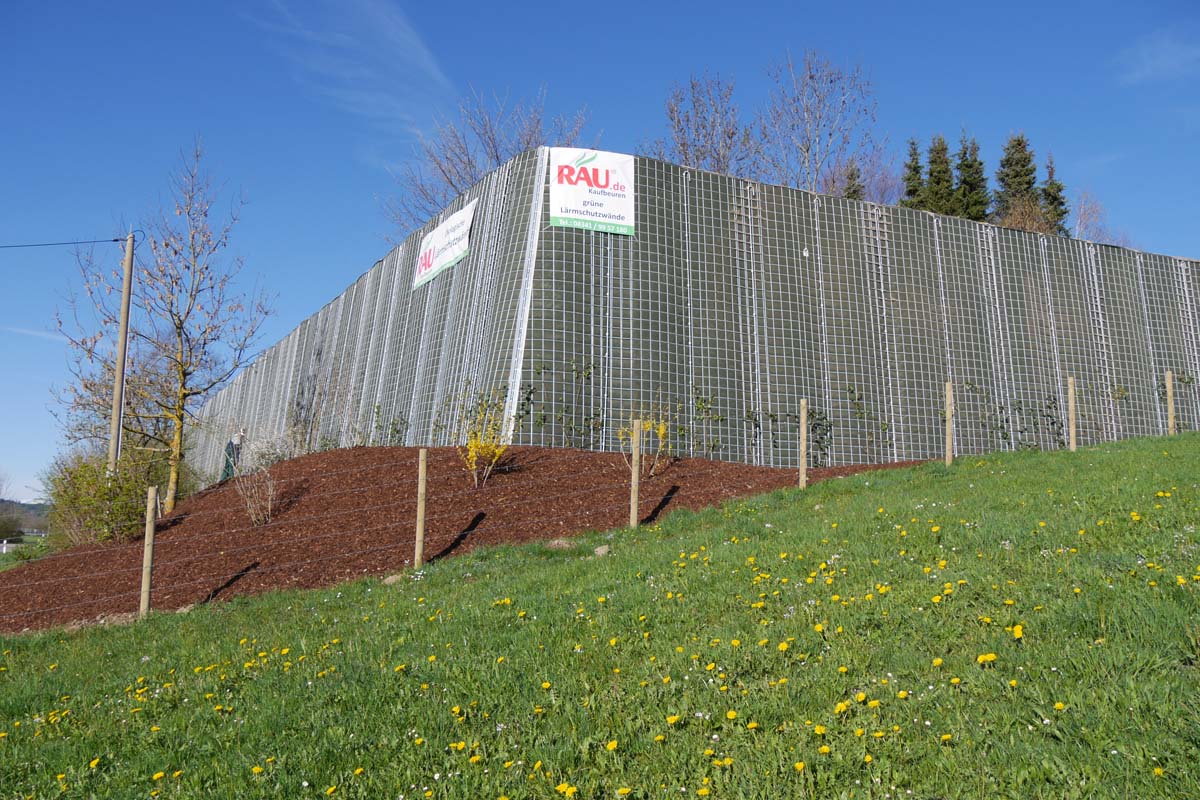
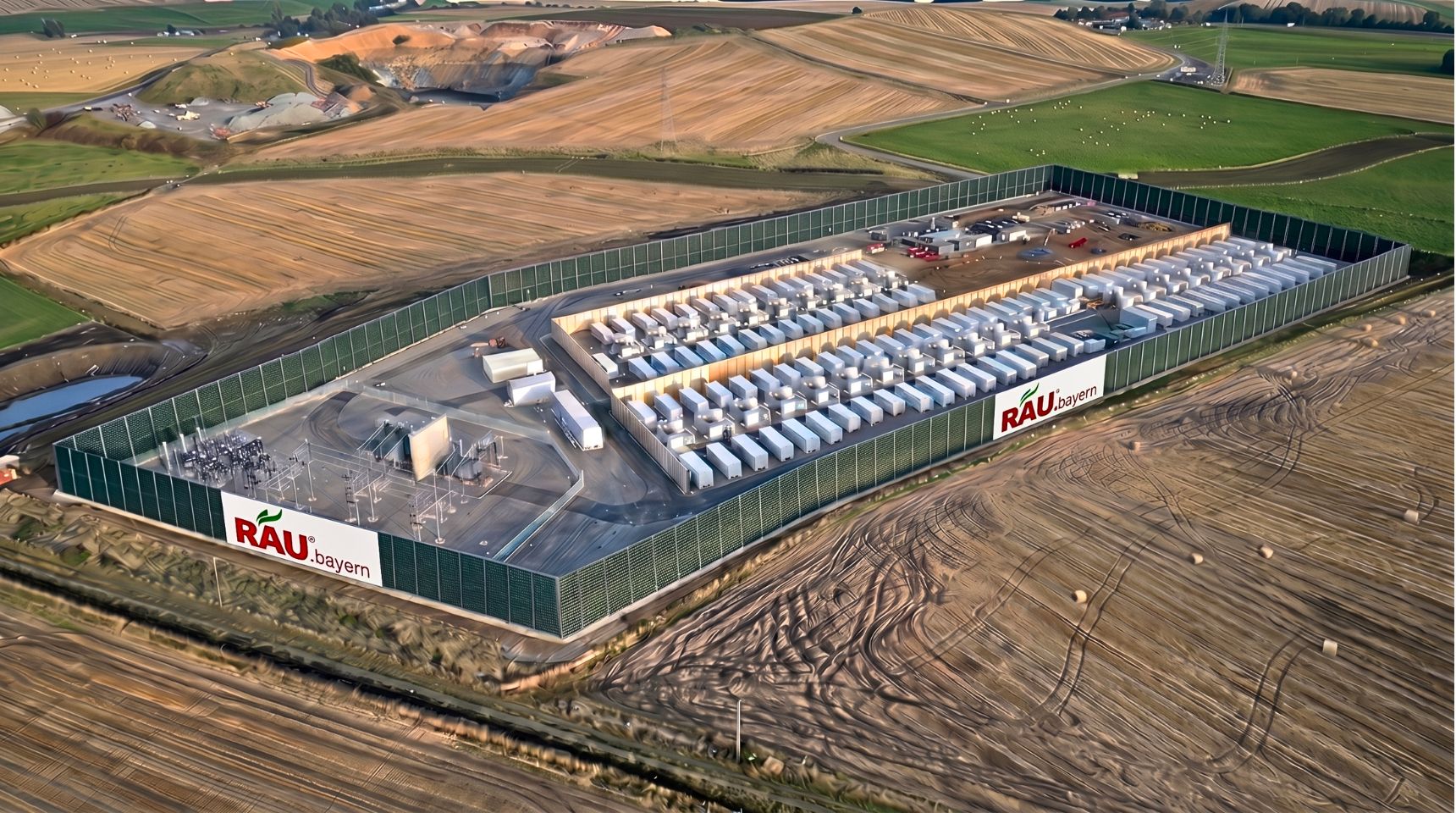
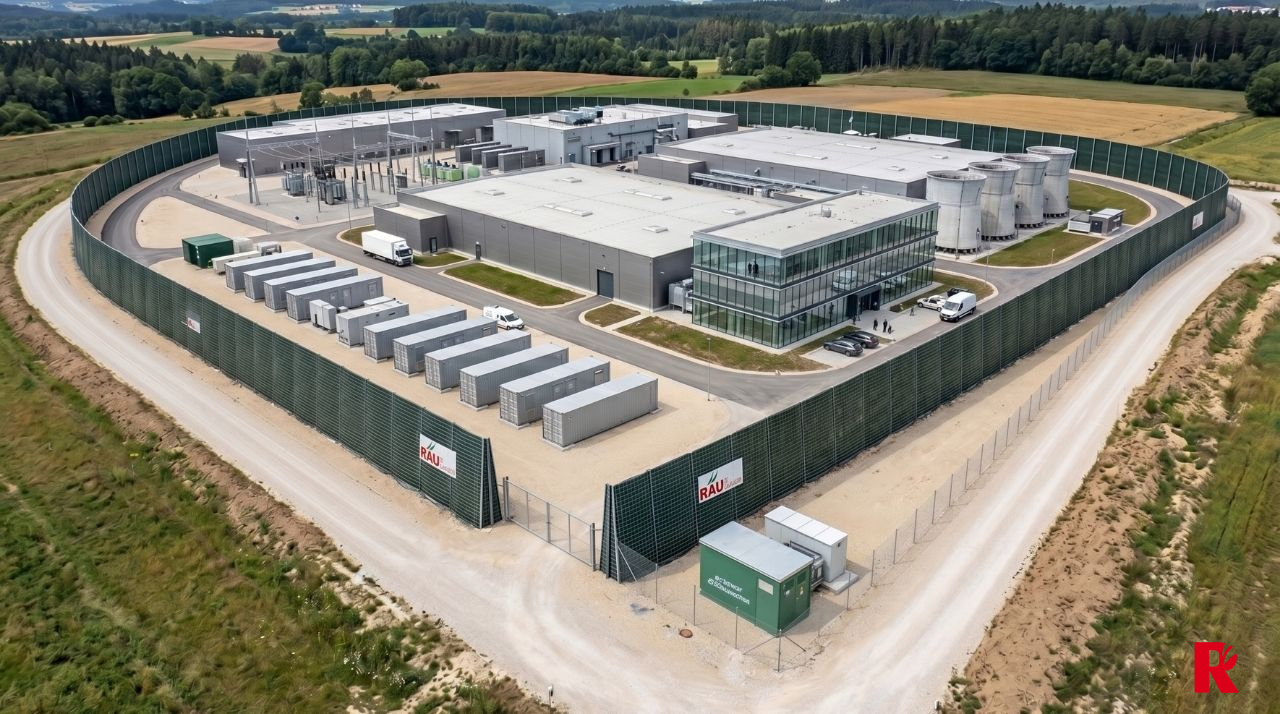
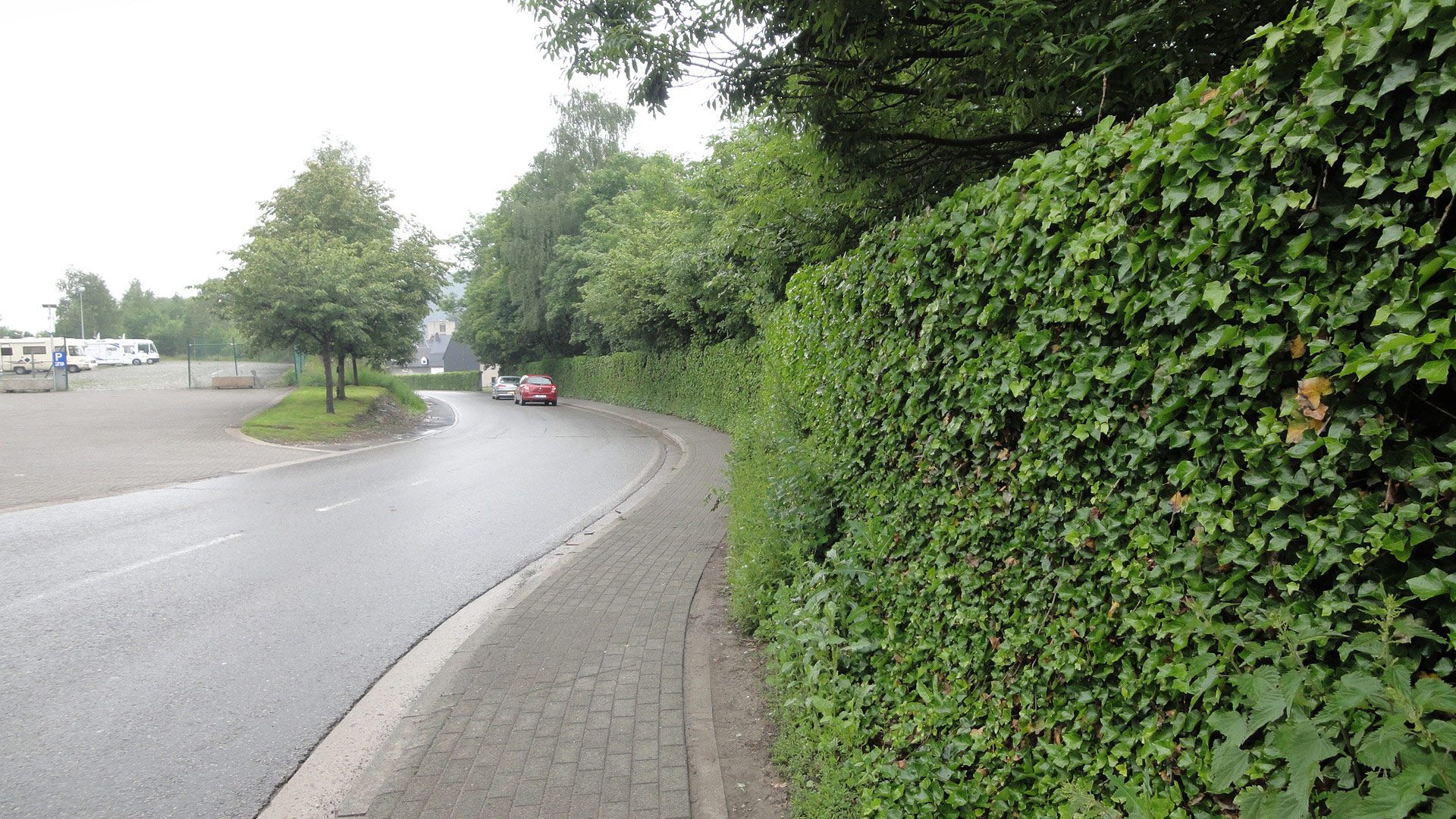
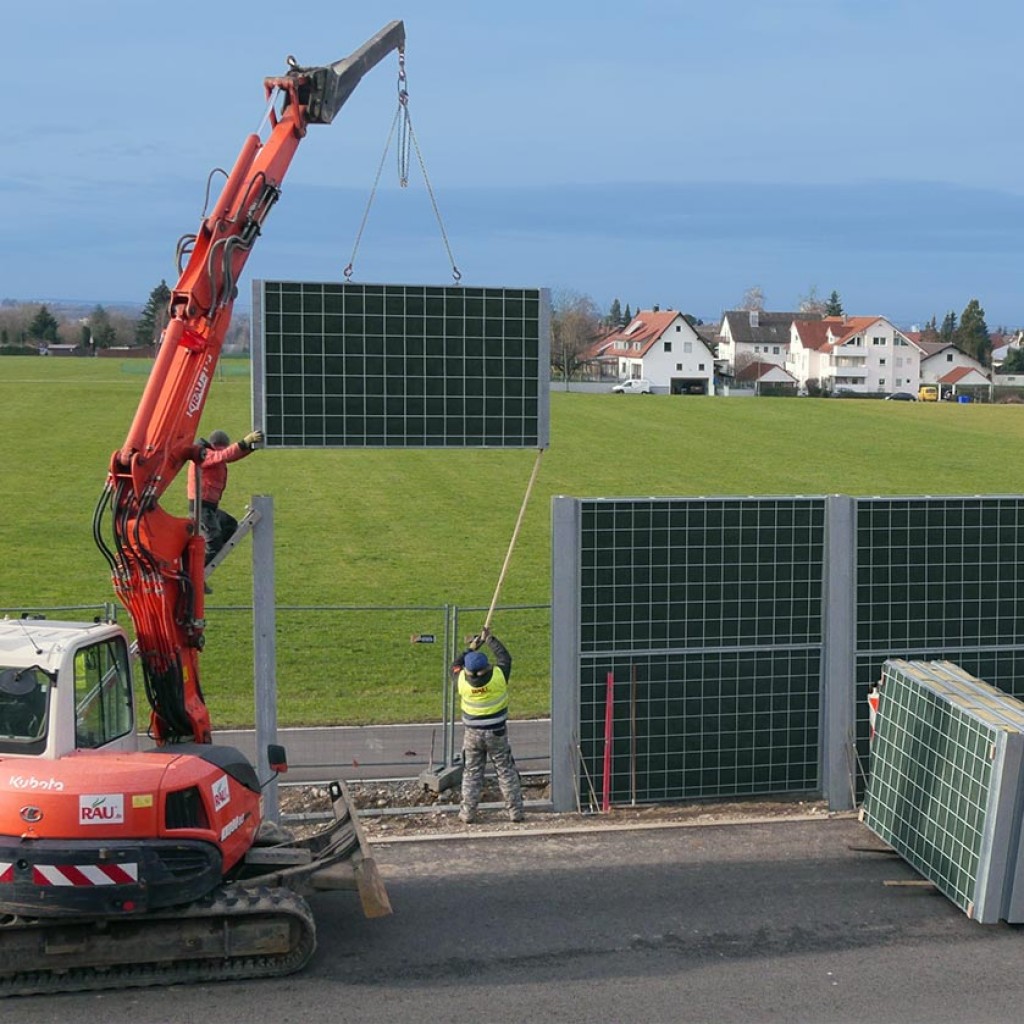
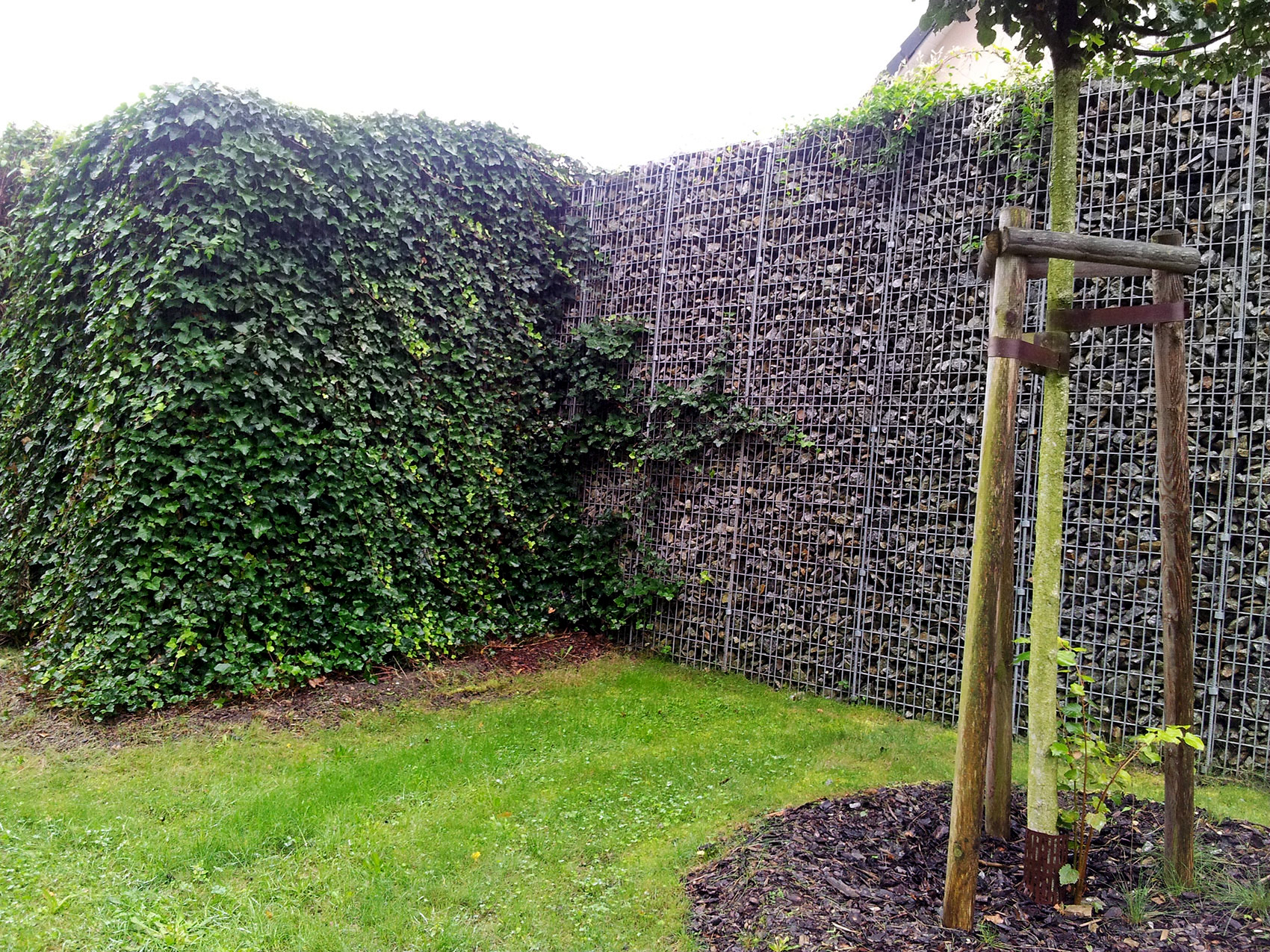
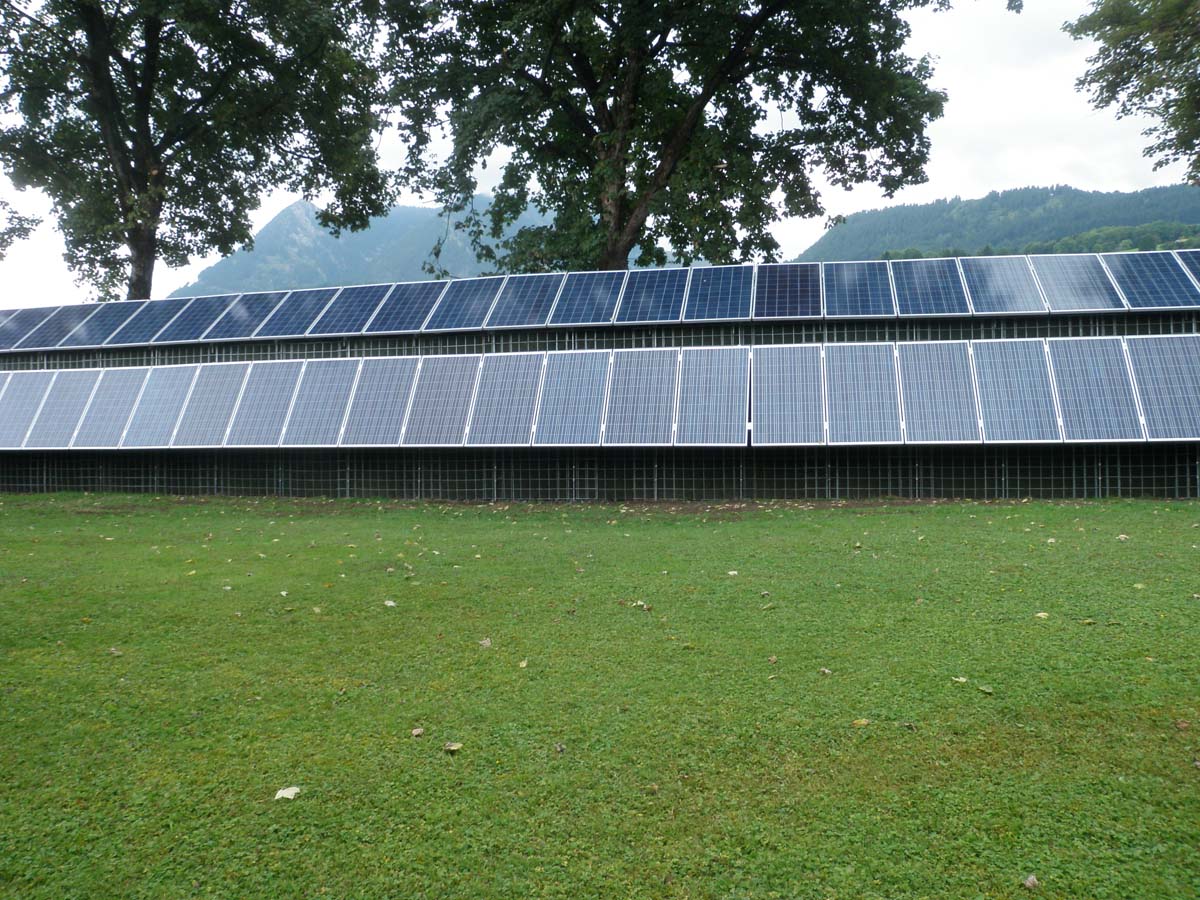
In the forecast, the expert examines all components of a data center that emit noise to the outside, including the ground-level cooling units and their placement, rack, or roof; the chillers and pumps; the ventilation systems and their facade openings; the transformers and current transformers in the power plant; and the emergency generators and their test runs. For each source, the expert applies the sound power based on the manufacturer’s specifications, the operating time, and the height above ground level, and calculates the assessment level at the exposure locations—separately for day and night—including background noise from neighboring facilities and adjustments for sound quality. He treats the emergency generators separately as rare events. If the level exceeds the guideline value, he implements measures, first addressing the location and placement of the sources, then the noise barrier. Here, we provide the geometry of the RAU noise barrier for AI data centers, including the height per section, the layout on the site plan, connections to facades, and the highly absorbent design. In two rounds of coordination, the height and length are adjusted until nighttime noise limits are met at all measurement points. For campus projects, he repeats the forecast for each construction phase, using the documented sections as the baseline. The height gradation of the RAU Klimawand R3 accommodates varying source heights, such as in Fehraltorf, ranging from 3.30 to 5.00 m; for narrow technical areas, we use the RAU Rock Extensiv with a minimum width of 13 cm.
What operational changes trigger a new forecast?
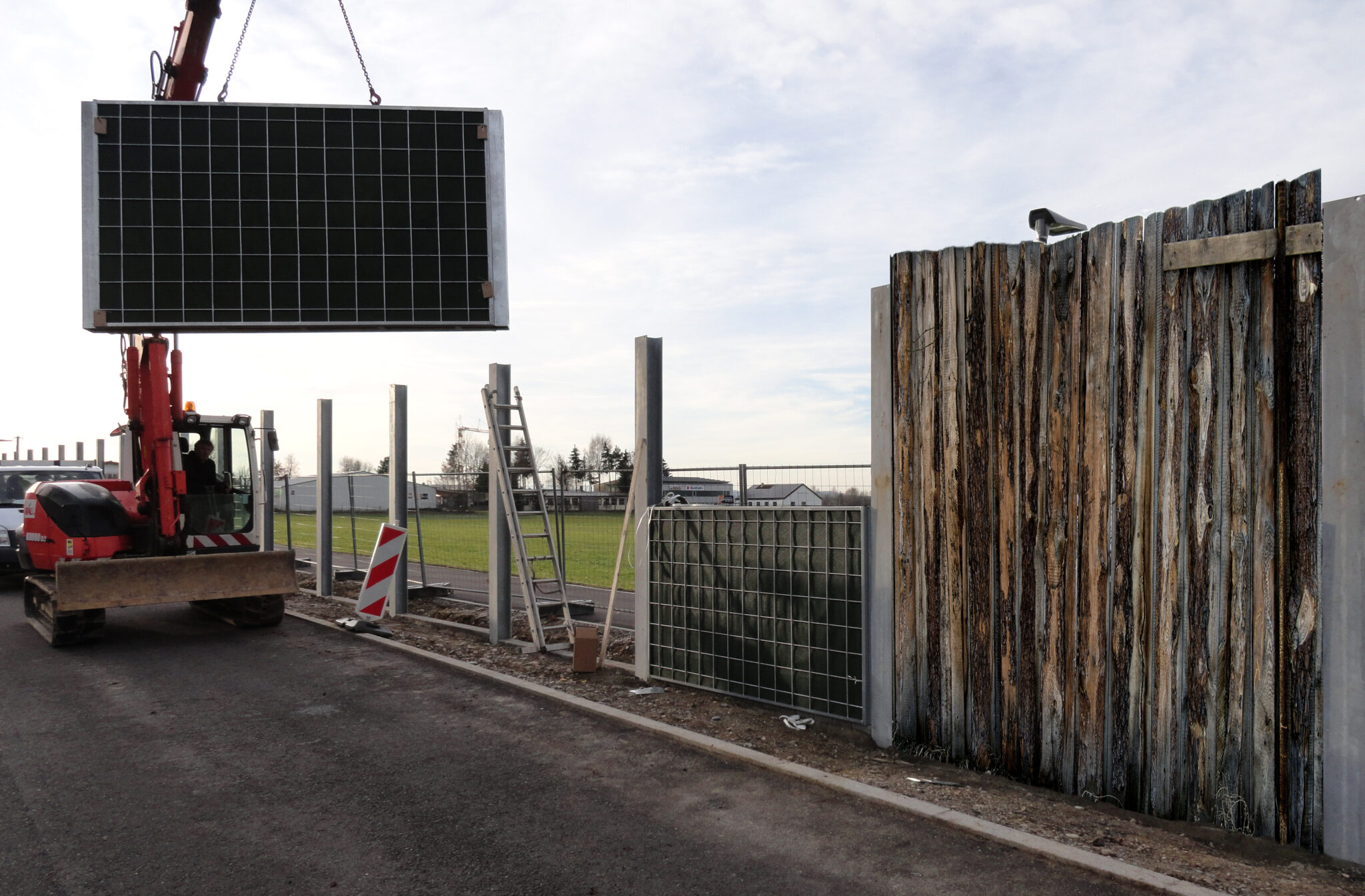
A new forecast triggers changes in the operation of a data center that involve adding or relocating power sources—such as the construction of an additional hall with technical space, replacing the recoolers with a different design or configuration, switching the cooling concept from air cooling to liquid cooling with different recoolers, expanding the power plant to include transformers or emergency generators, as well as complaints from neighbors that prompt a regulatory agency to conduct an inspection. At AI facilities, the replacement of computing hardware is a common trigger, as new generations generate more heat and the cooling system is retrofitted; the new row of recoolers alters the source height and level, and the existing wall must be inspected. We support such updates by providing the documented geometry of the existing wall and planning new sections connected to existing outlets for additional cooling sources. For facilities with old fences or concrete walls, RAU Sanierung utilizes the existing support structures. Regardless of the trigger, the forecast should always precede the retrofit; retrofitting a cooling system without an updated forecast jeopardizes the existing permit. The forecast is also useful even if no regulatory agency requires it, as it provides the operator with certainty regarding nighttime values. The RAU.bayern website in Kaufbeuren describes our services, ranging from consulting and tender documentation to installation by our own service teams. The Klimawand R3 with Climate Handprint and the Rock Extensiv with a minimum width of 13 cm are equally suitable for retrofits; the vegetation grows without irrigation.


