
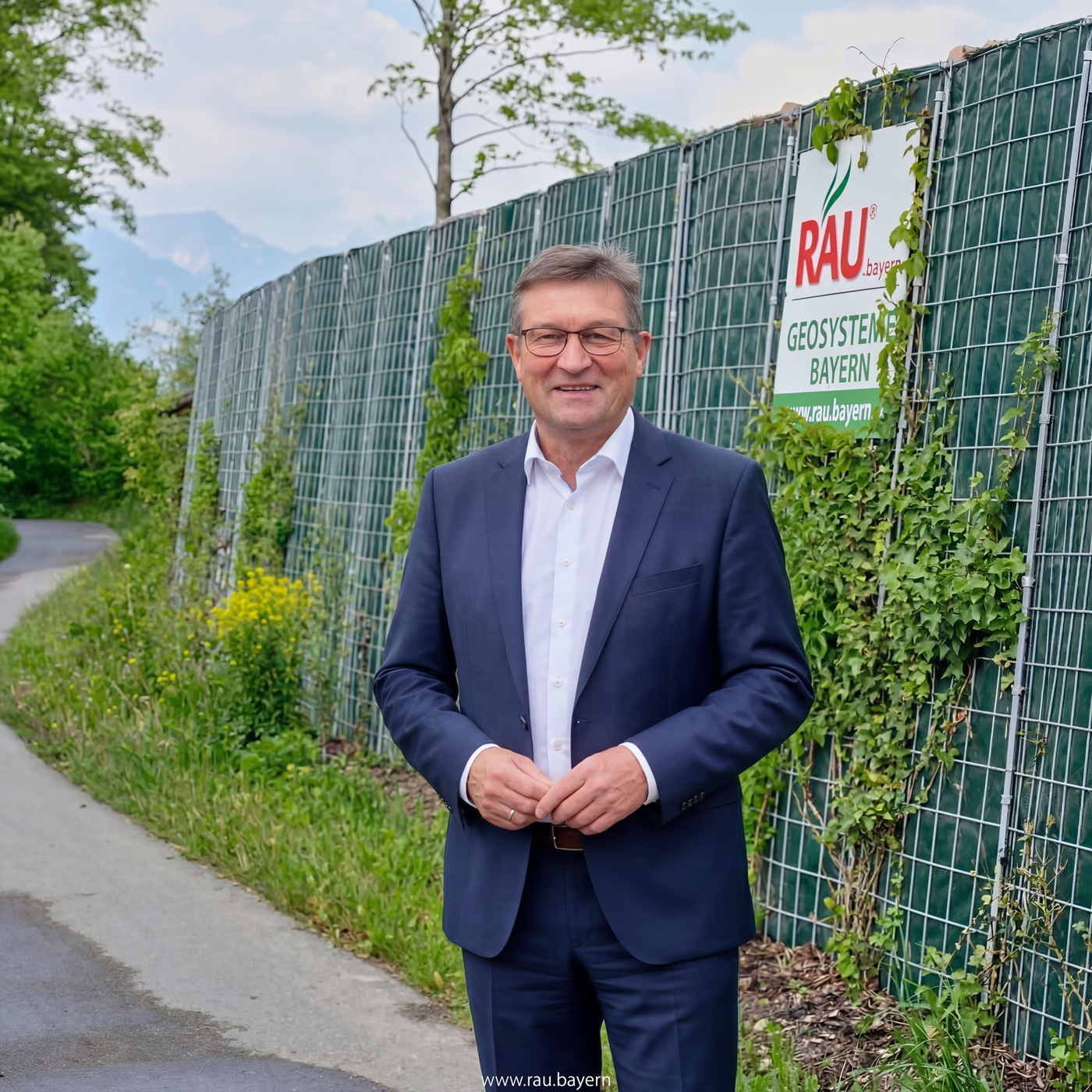
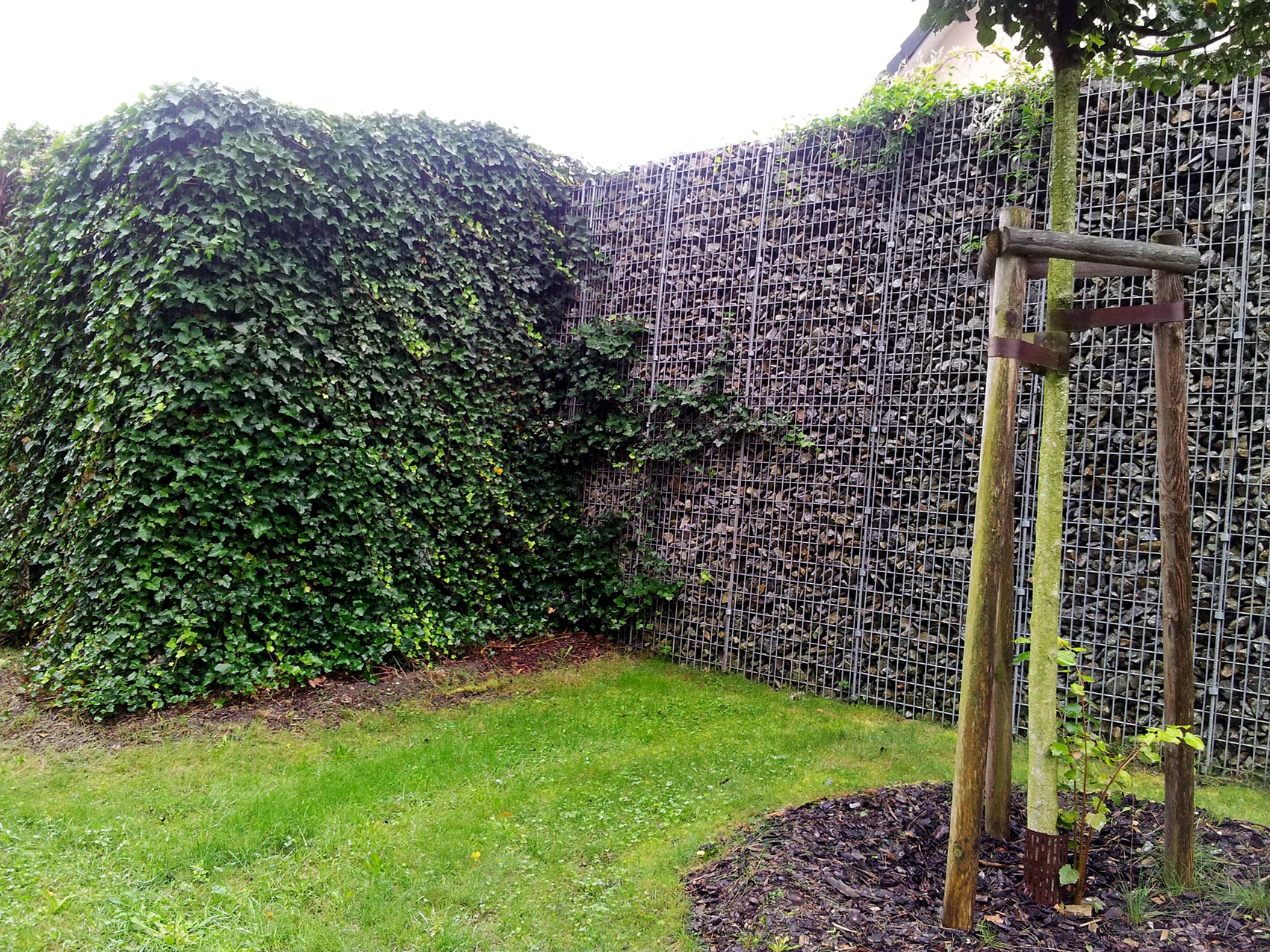
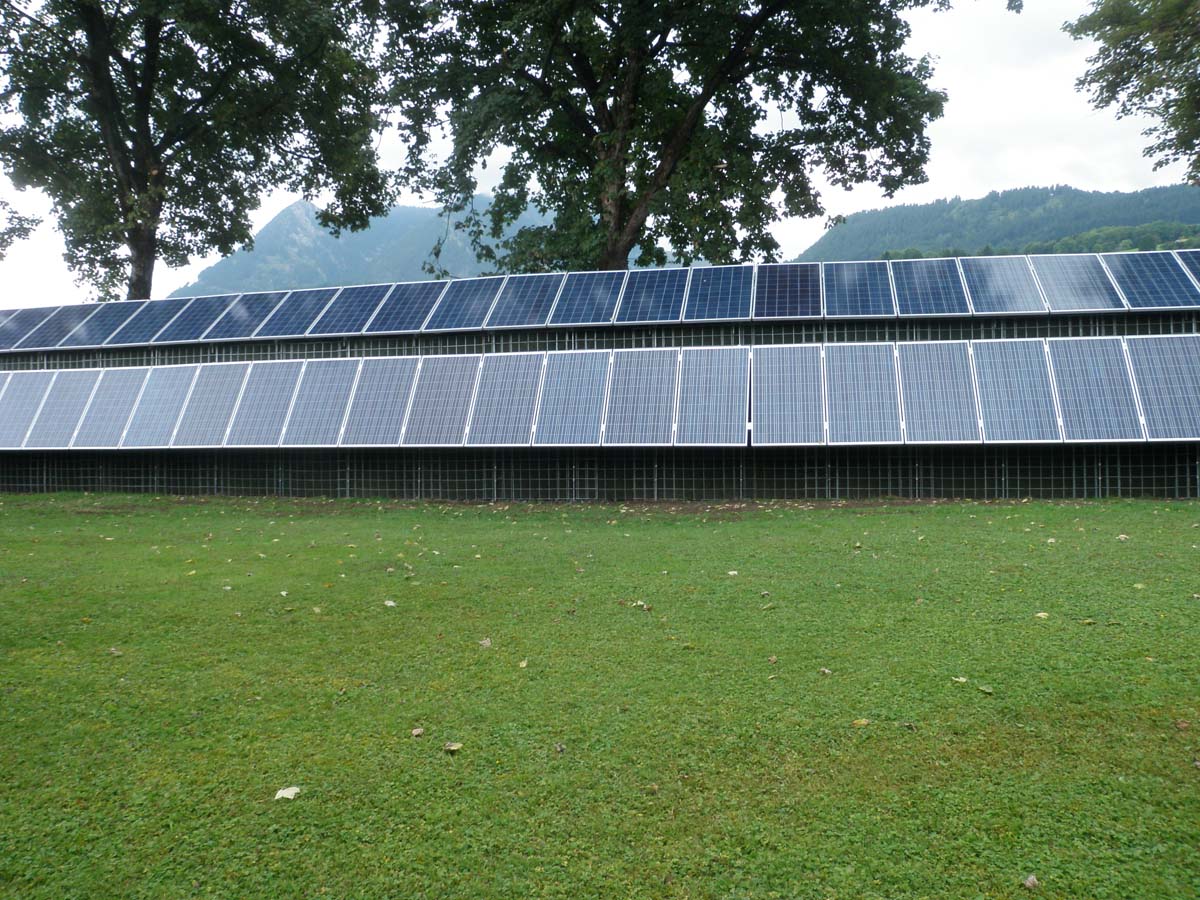
It takes about two hours by car to get from Kaufbeuren to Stuttgart—this makes Baden-Württemberg the heart of our southern German service area, and we’re intimately familiar with the state’s key issues from our own experience: dense metropolitan areas around Stuttgart, Karlsruhe, and the Rhine-Neckar region, where residential, commercial, and transportation areas are closely intertwined; basin-like areas that trap noise and particulate matter; and municipalities seeking to combine noise action planning with climate goals. Our green, highly absorbent noise barriers address both concerns at once—planted without irrigation, typically filled with locally sourced soil, delivered ex-works, and installed either fully assembled or as a kit by local contractors.
Metropolitan Area Issues: Basin-like Topography, Redensification, Industrial Noise
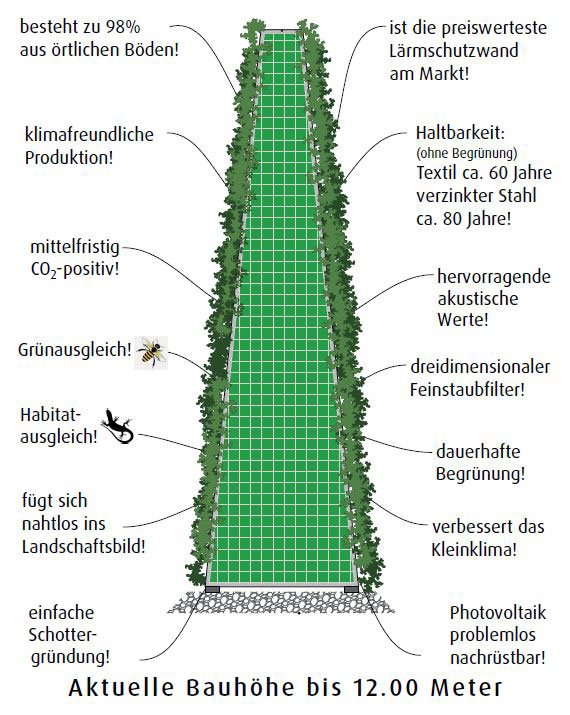
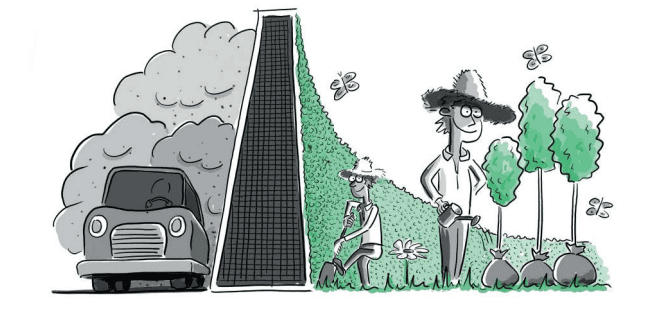
Noise conflicts in Baden-Württemberg are concentrated where topography and population density intersect—in valleys and basins such as the Stuttgart Basin, sound remains trapped in the area, and reflective surfaces amplify the effect, and every new infill development brings new residential buildings closer to existing noise sources. Highly absorbent walls are not just a nice-to-have here; they absorb sound energy rather than allowing it to bounce back and forth between the slope edge and the facade, and the green surface also traps fine particulate matter from traffic—a side effect that carries its own weight in discussions about air quality. For the scarce land in metropolitan areas, the narrow construction method—with a minimum width of 13 cm—secures the wall route without sacrificing construction or operational space, and for municipalities with climate resolutions, the RAU Klimawand R3 provides documented proof of their Climate Handprint through KlimAktiv-certified CO₂ accounting—emissions from raw materials, production, transportation, and construction are offset by the greening within a few years. Commercial enterprises, in turn, can resolve conflicts related to refrigeration, logistics, and production noise with walls located close to the source, before regulatory requirements restrict their operations.
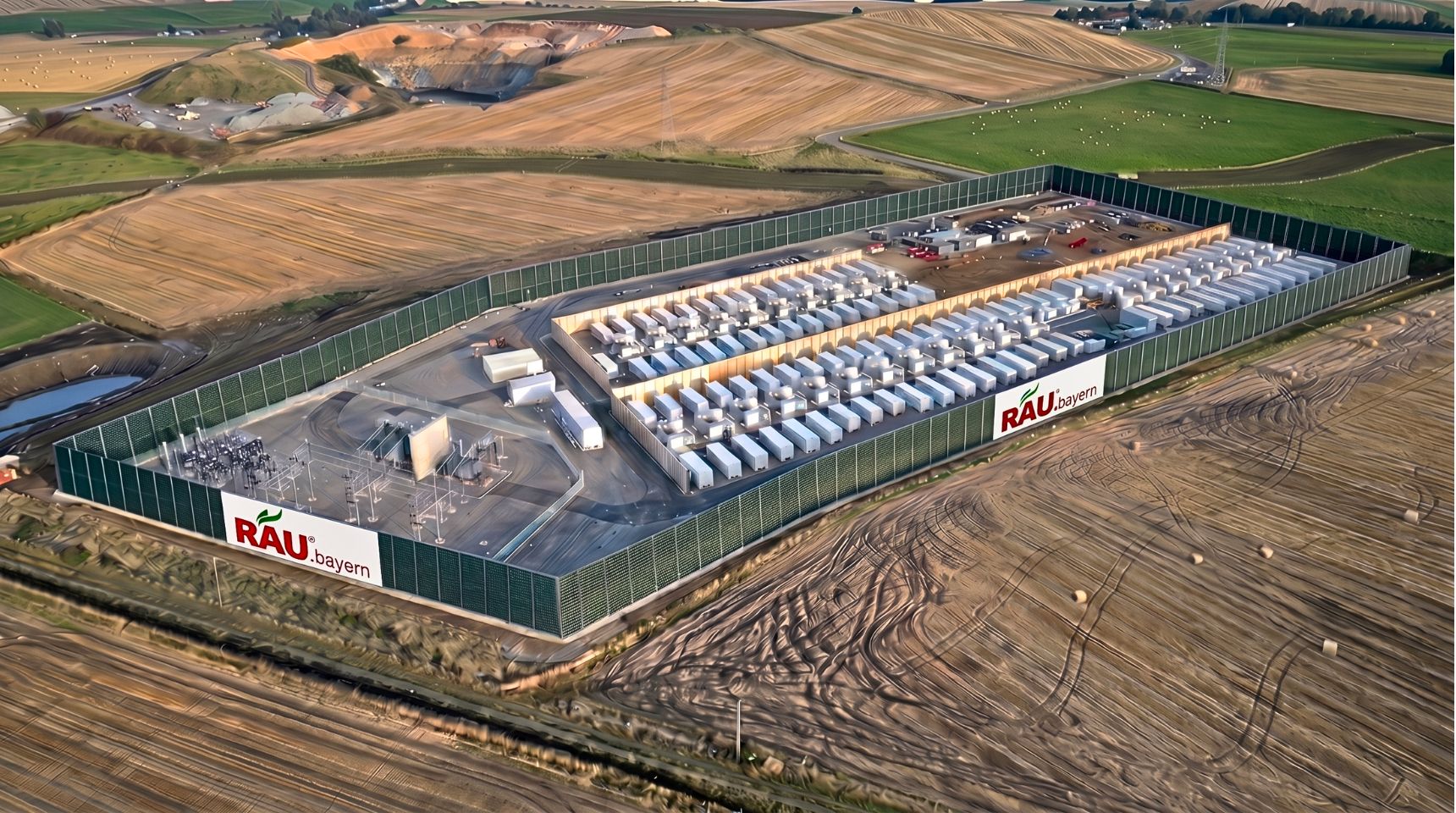
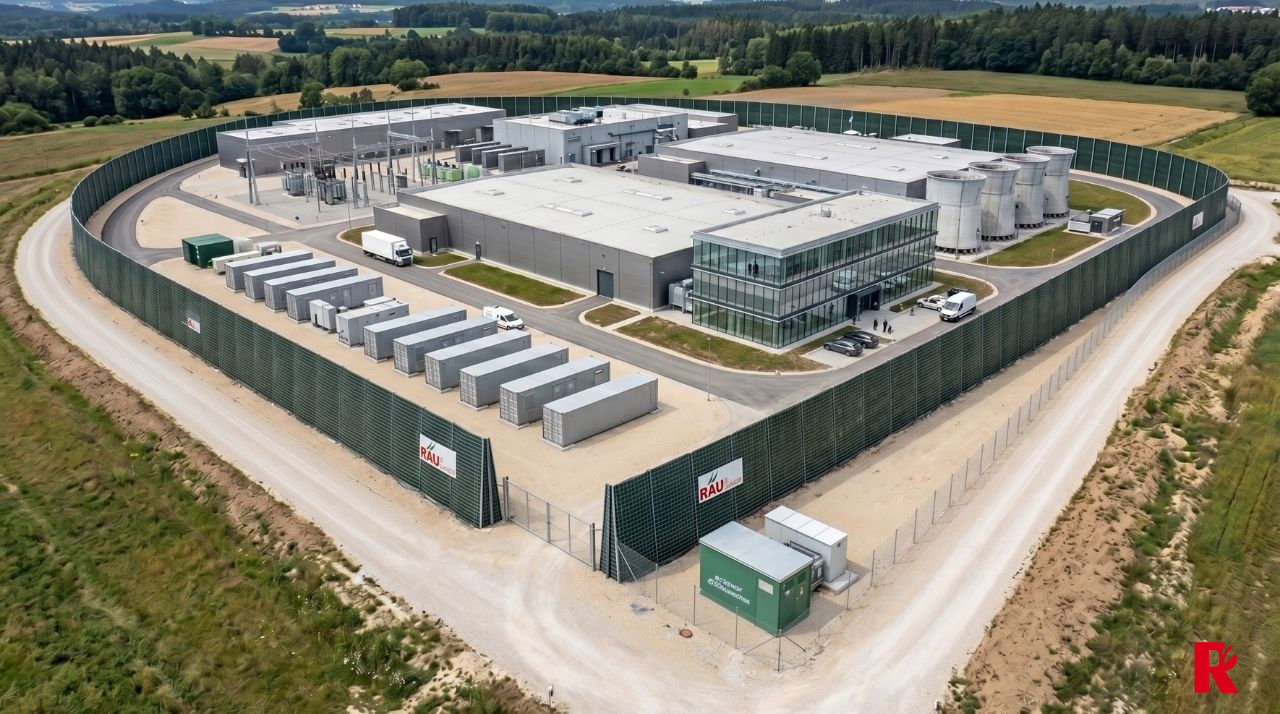
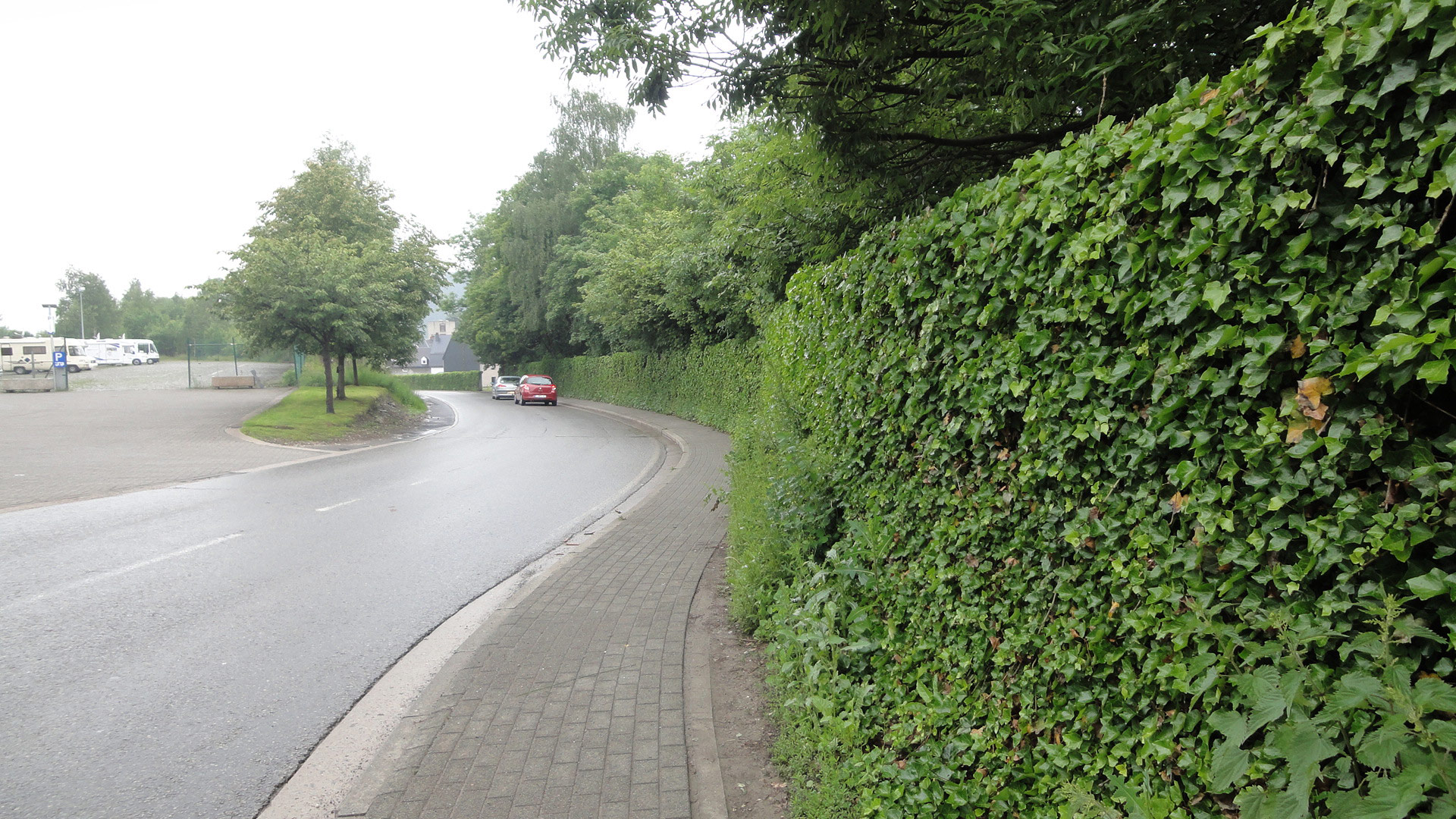
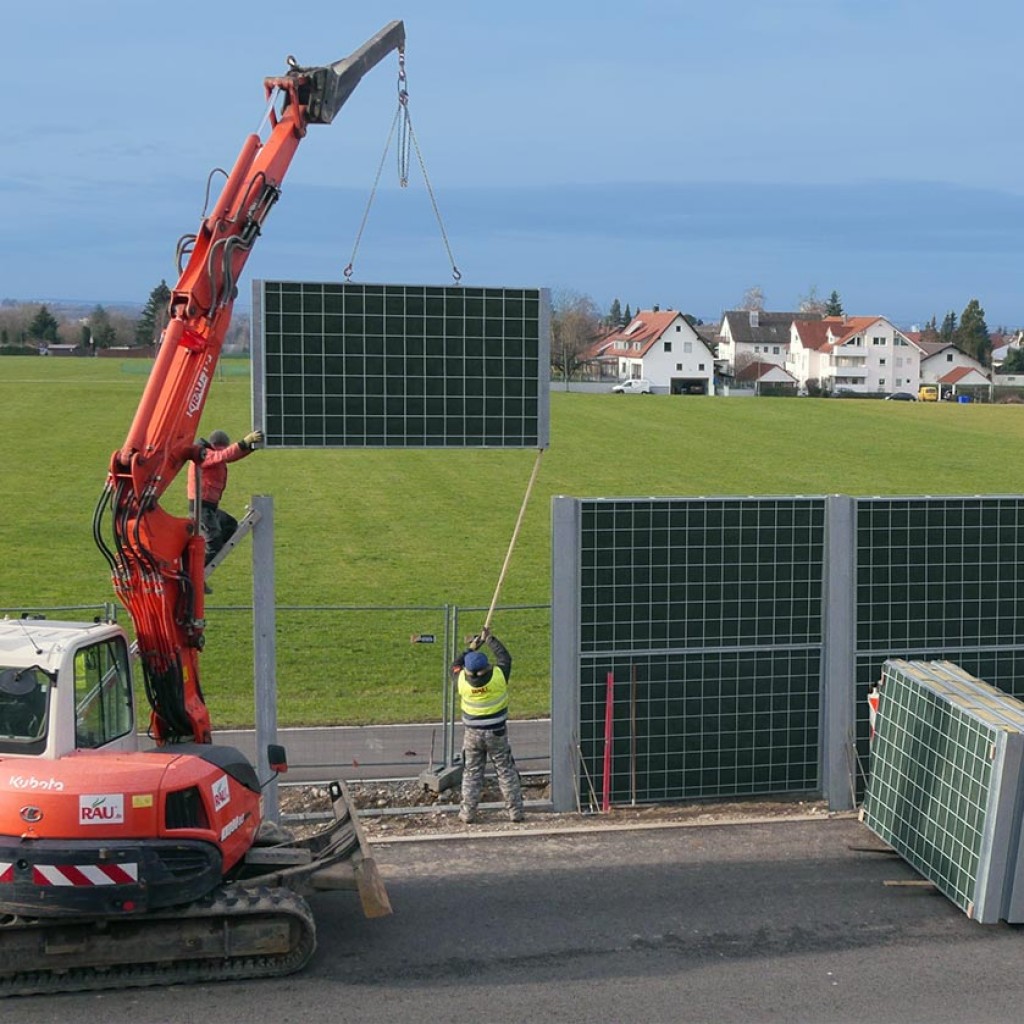
From Southern Germany for Southern Germany: Processing in the Ländle
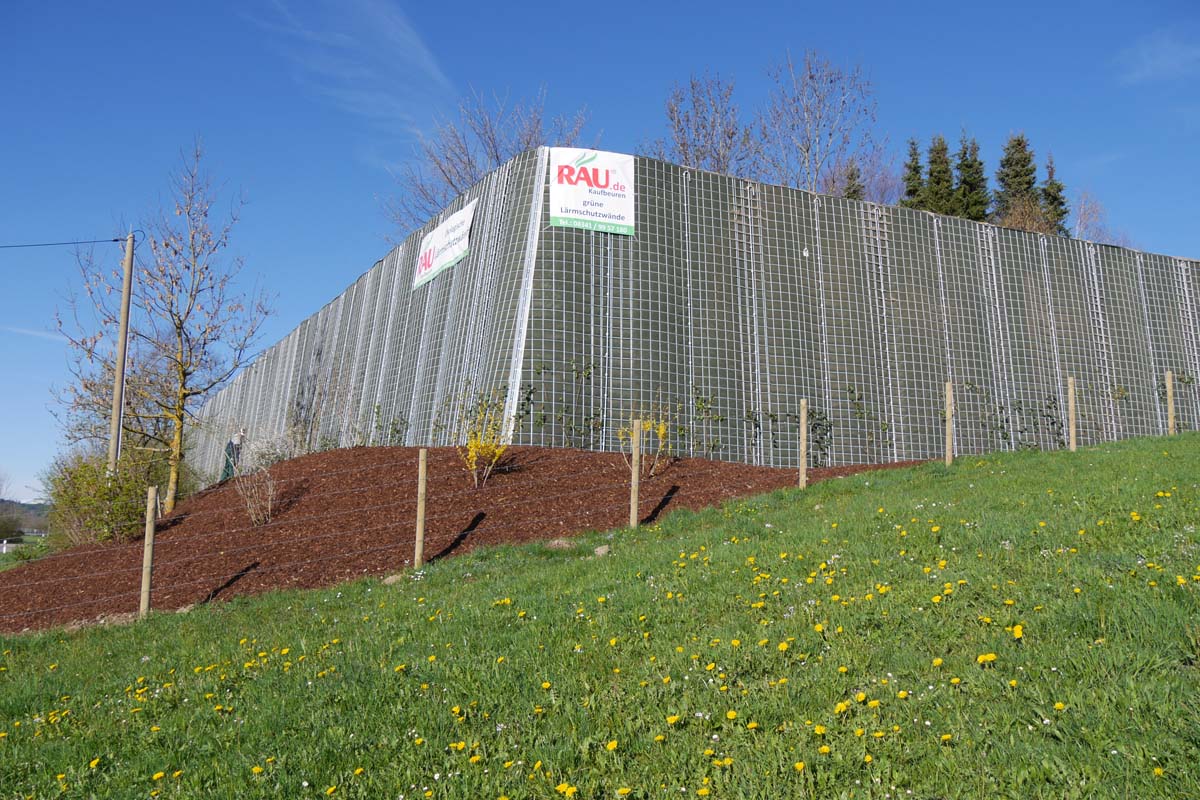
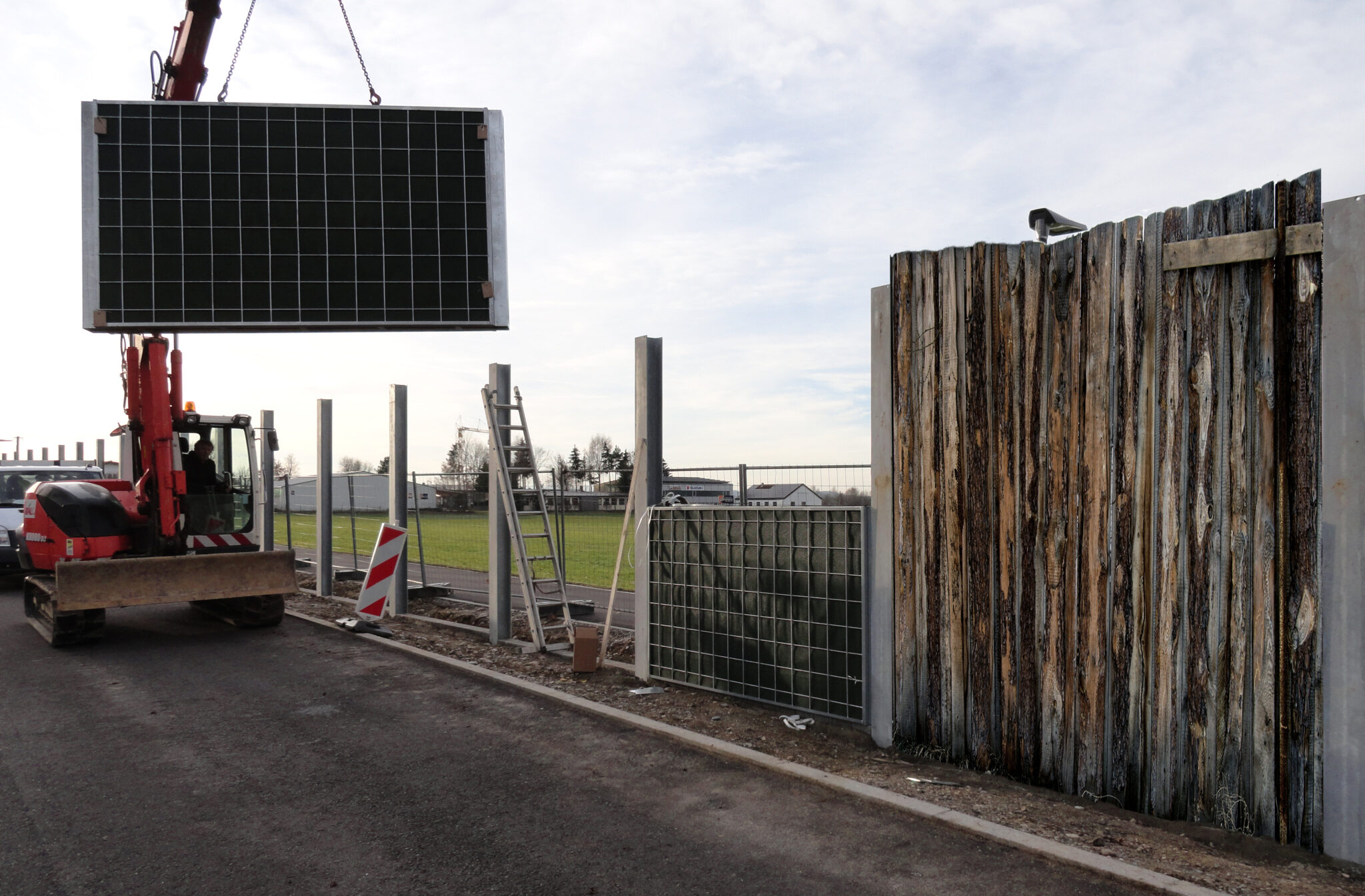
The route to the region is short and well-established—via the A96 and A8 or the A7 and A81, our space-efficiently loaded components typically reach construction sites in Baden-Württemberg with just one or two trucks, and on-site visits between Ulm, Stuttgart, and Karlsruhe can be scheduled on short notice. Installation is carried out entirely by our teams or, as a kit, by local construction and landscaping companies using comprehensive installation documentation—a model that serves both municipal contracts and direct commercial orders. For cities and municipalities, we provide specifications, construction drawings, and documentation for structural analysis and material quality, tailored to the state’s respective procedures; since noise action planning programs and guidelines are subject to change, we review funding opportunities and requirements on a project-by-project basis at the relevant time. RAU’s company profile outlines how our services—from consulting to customer service—are organized. Our projects in Bavaria can be viewed nearby, for example in Buchloe on the A96—and after completion, our service teams remain responsible, providing documented maintenance at agreed-upon intervals, from Lake Constance to the northern part of the state.


