
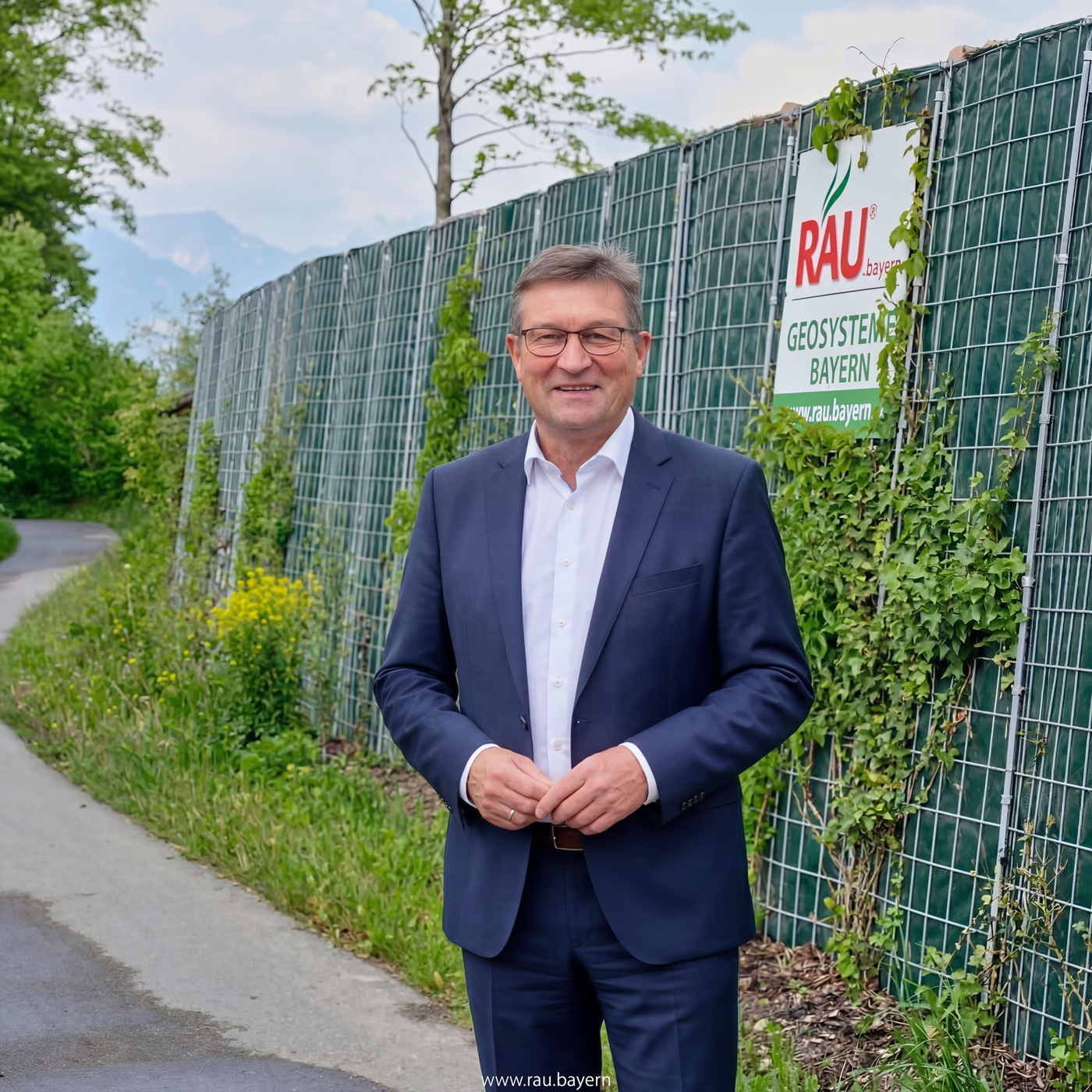
Freight trains at night, regular service during the day—rail lines produce a noise profile that many residents find more disruptive than constant road noise, because individual trains standing out distinctly as they pass by. Since the former rail bonus for new projects has been eliminated, rail noise is assessed more strictly in planning, and municipalities along heavily trafficked routes are seeking solutions for existing infrastructure. We install green, highly absorbent noise barriers along railroad tracks—systems that absorb rail noise, trap fine particulate matter, and require no irrigation. We provide planning, bid documents, installation, and maintenance as a comprehensive, one-stop service from our location in Kaufbeuren, tailored to the requirements of each project sponsor.
Passing Clearance, Freight Traffic, Nighttime Hours—What Matters on the Route
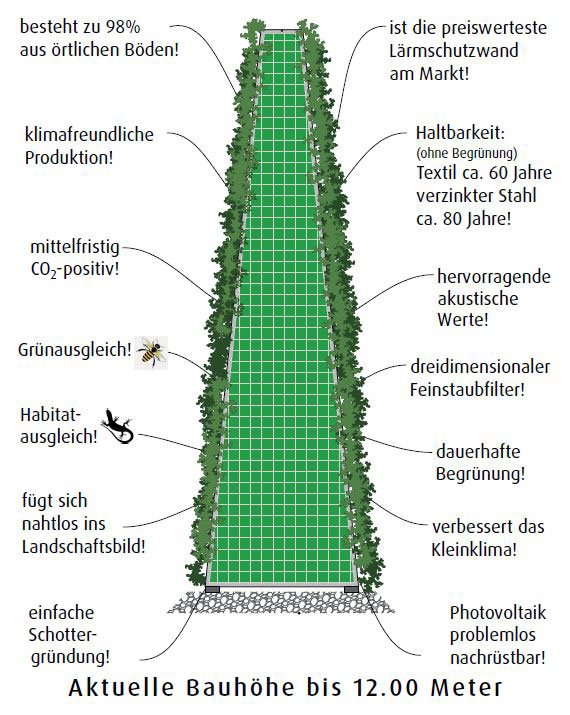
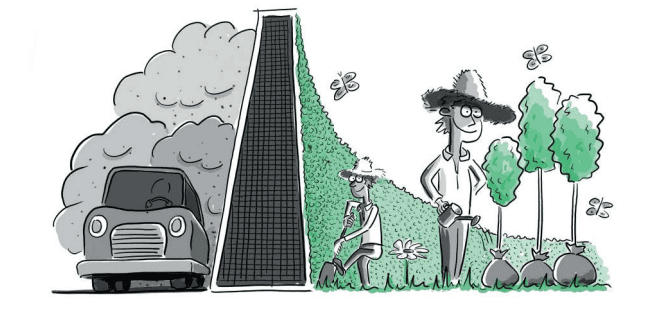
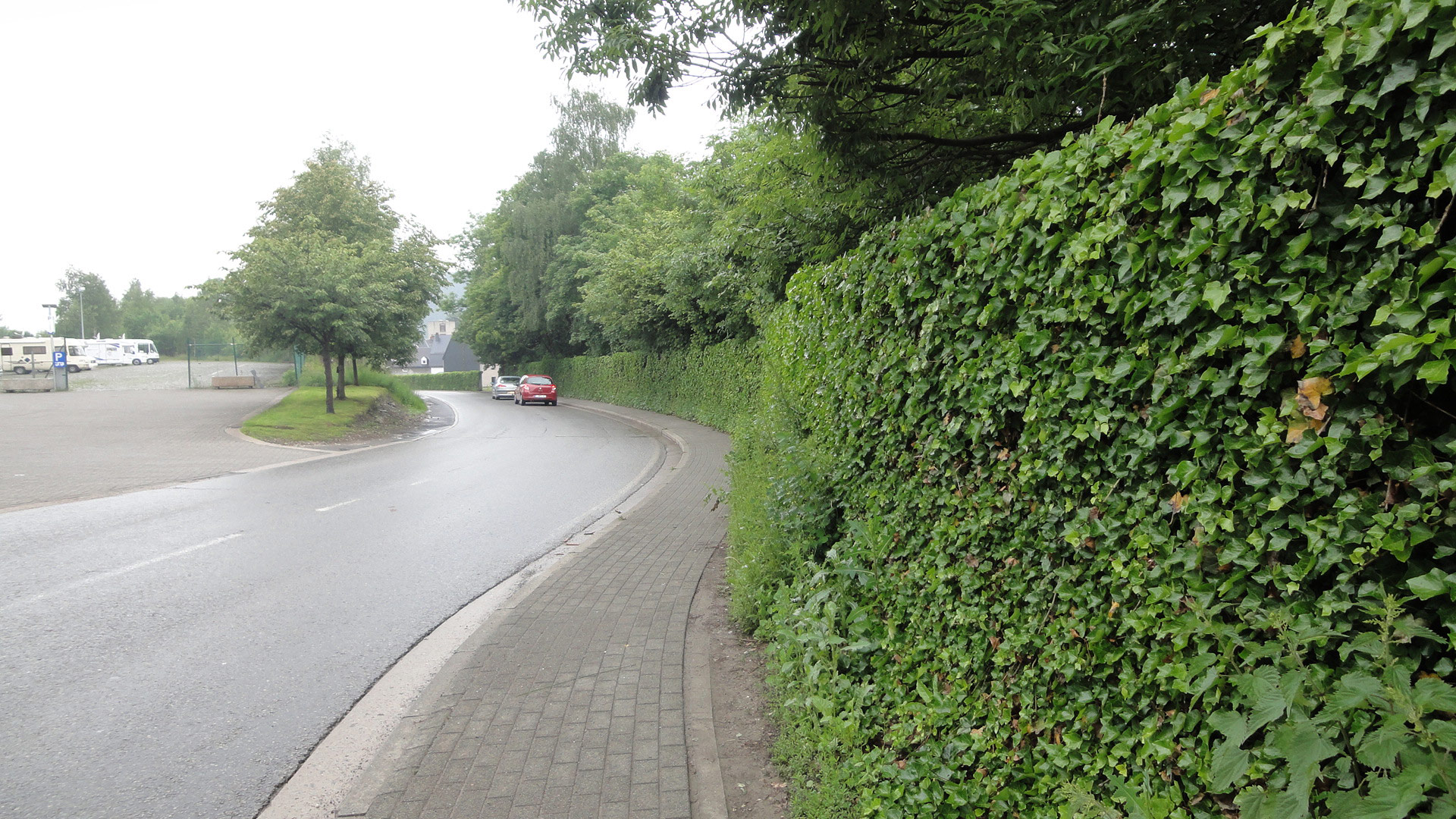
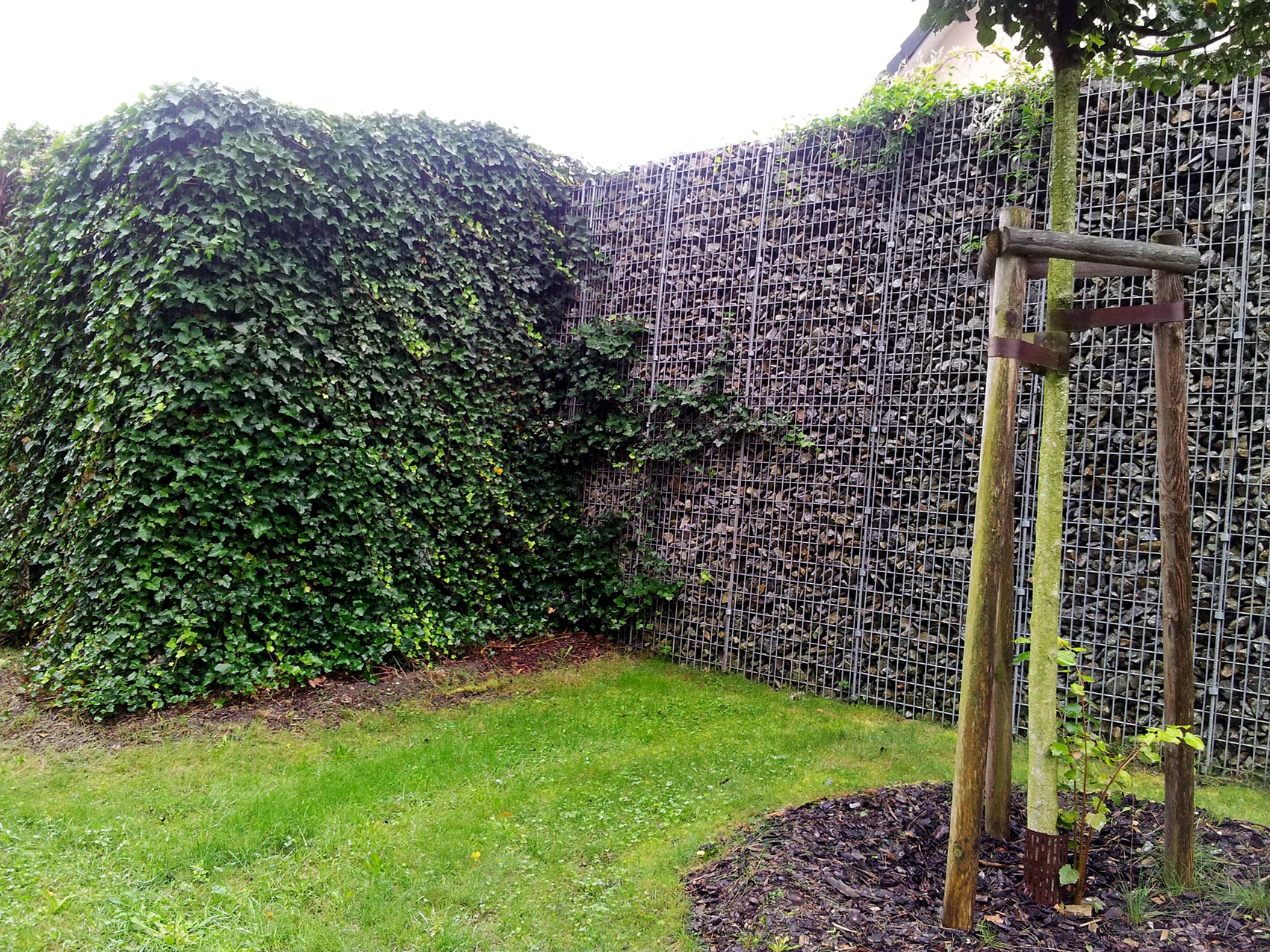
Short, high-intensity bursts of noise interspersed with quiet periods characterize rail noise; at night, freight traffic dominates in many areas. Walls along rail lines are therefore built as close to the tracks as possible, where they absorb the rolling noise between the wheel and the rail early on—at the same time, safety zones, emergency exits, and access points for track maintenance must remain unobstructed. Our highly absorbent wall construction absorbs sound energy and prevents multiple reflections between the wall and the train, which reflective systems on double-track lines can cause. The greenery integrates the wall into the outskirts of towns and along railway embankments, traps fine dust, and requires no irrigation system. We incorporate the project sponsor’s requirements regarding design, accessibility, and construction sequence into the detailed design and provide the corresponding bid documents. For municipalities seeking to advance noise protection along existing rail lines, we prepare the planning documents so that they pass reviews by the railway operator and regulatory authorities, ensuring a smooth path from approval to the completed wall. Upon request, we provide technical support during coordination meetings and answer questions from stakeholders directly based on the current planning documents.
Construction, Loads, and Operation Along the Route
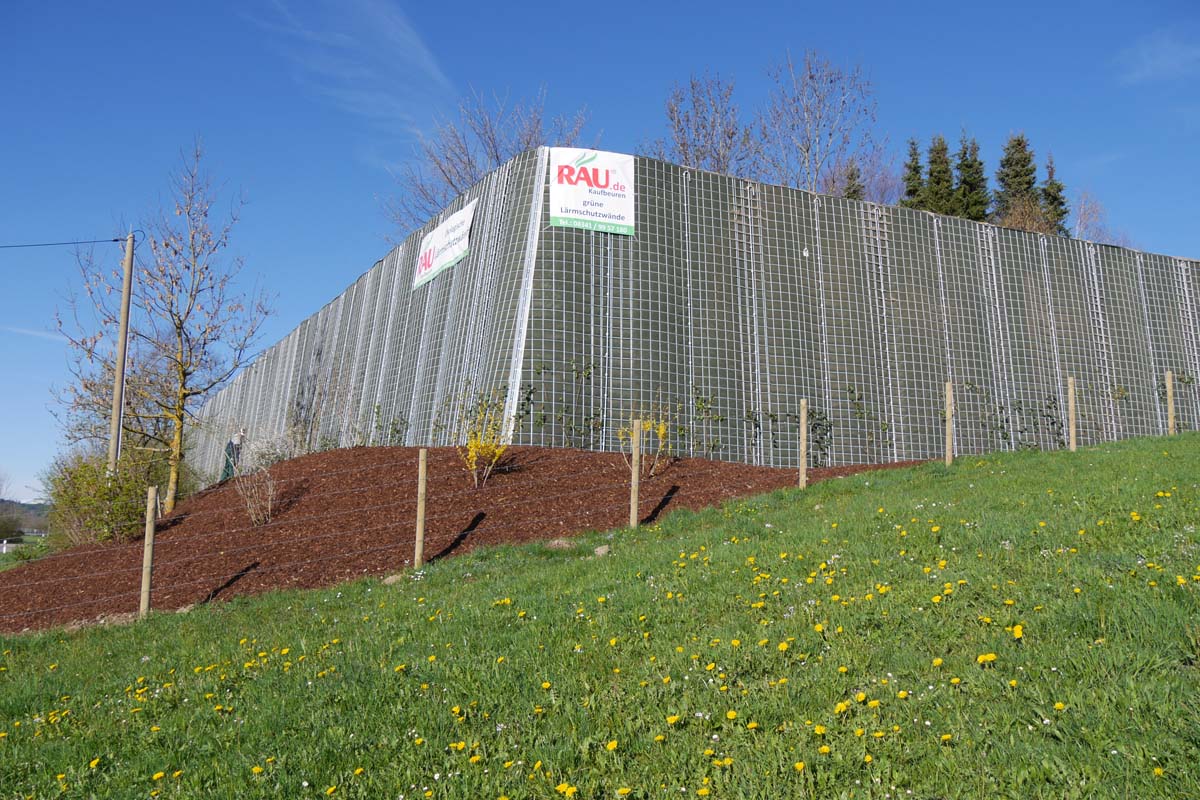
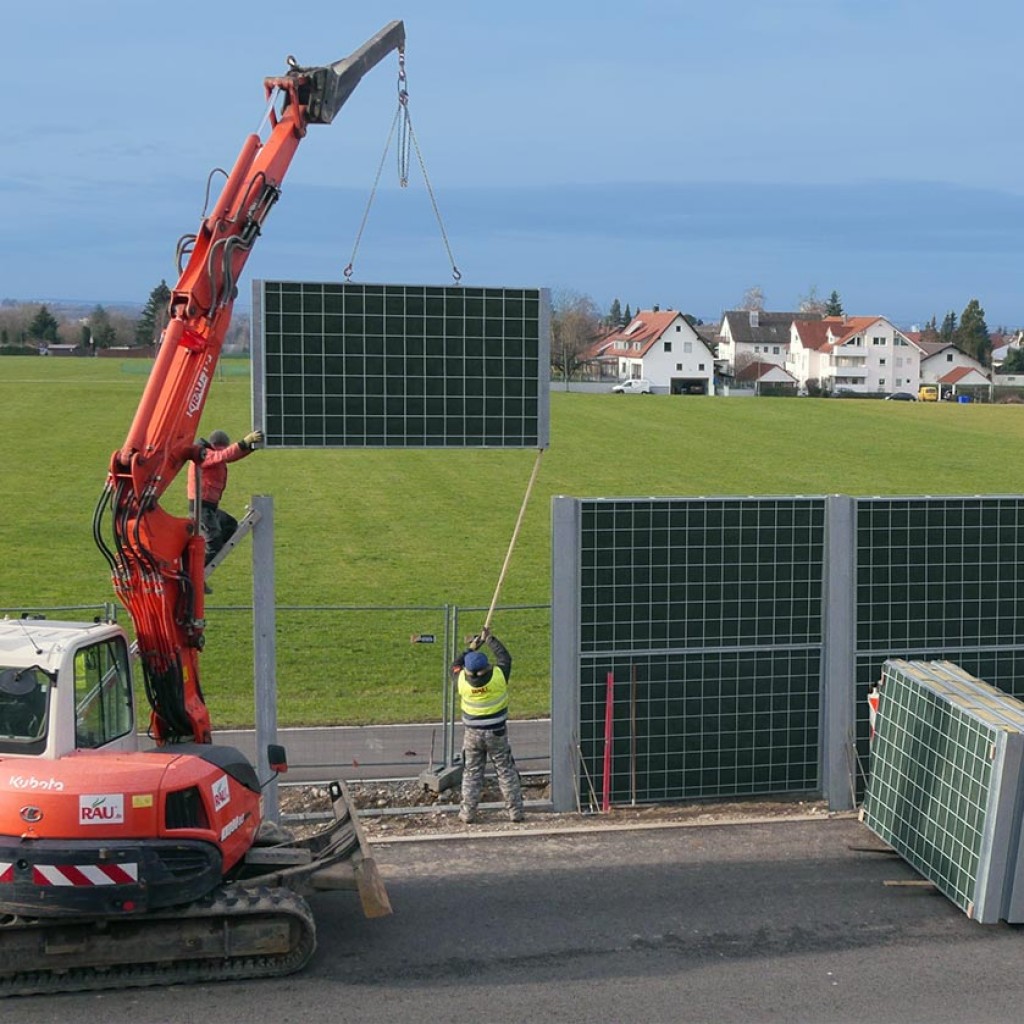
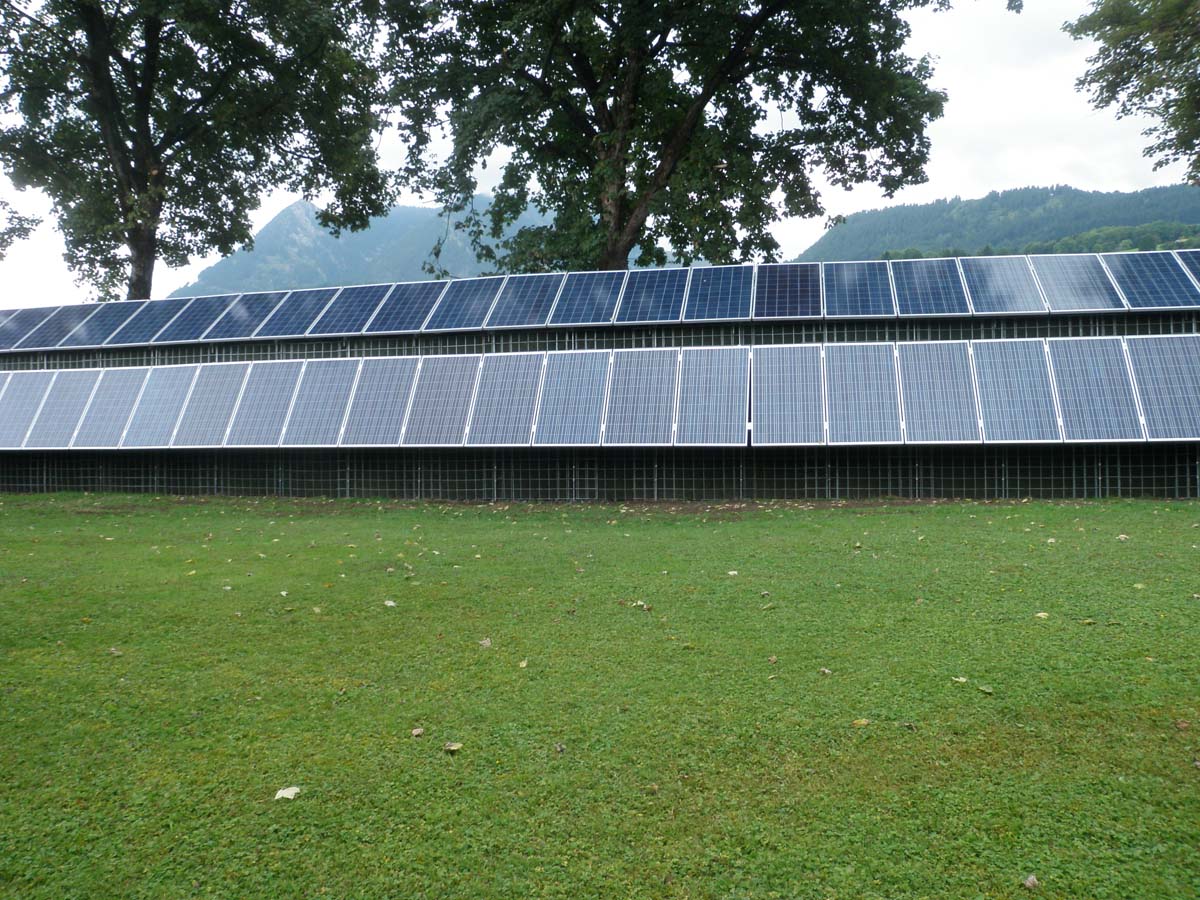
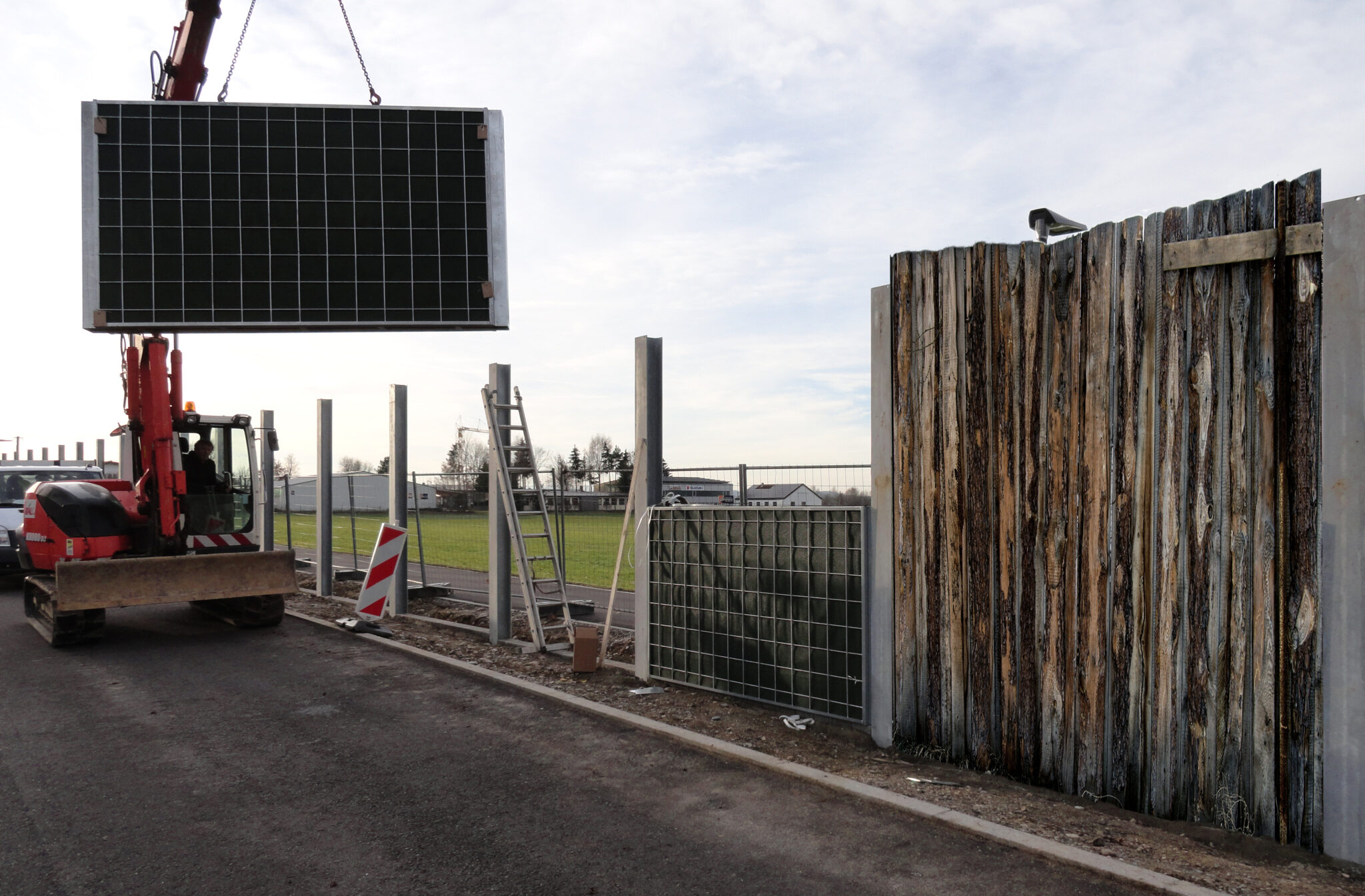
Structures located near railways are subjected to pressure and suction fluctuations every time a train passes by, and the subsoil along embankments and cuttings is rarely homogeneous—the foundation design therefore determines feasibility and costs at an early stage. We systematically analyze the relationships between the subsoil, wind loads, and wall height during the detailed design phase; the stable RAU Klimawand R3 retaining basket does not require complex foundation work. Our systems are typically filled with soil and mineral raw materials sourced on-site, ensuring they maintain their volume and durability while allowing adaptation to varying terrain elevations—in Fehraltorf, Switzerland, we installed a Klimawand with heights ranging from 3.30 to 5.00 m. For projects with climate goals, the RAU Klimawand R3 provides a Climate Handprint; the underlying CO2 accounting has been verified by KlimAktiv. As a member of the German Association for Noise Protection along Transportation Routes, we have firsthand knowledge of the technical discussion surrounding rail noise. After completion, our service crews maintain the vegetation and structure without disrupting rail operations—the low-maintenance, extensive construction method keeps service calls to a minimum.


