
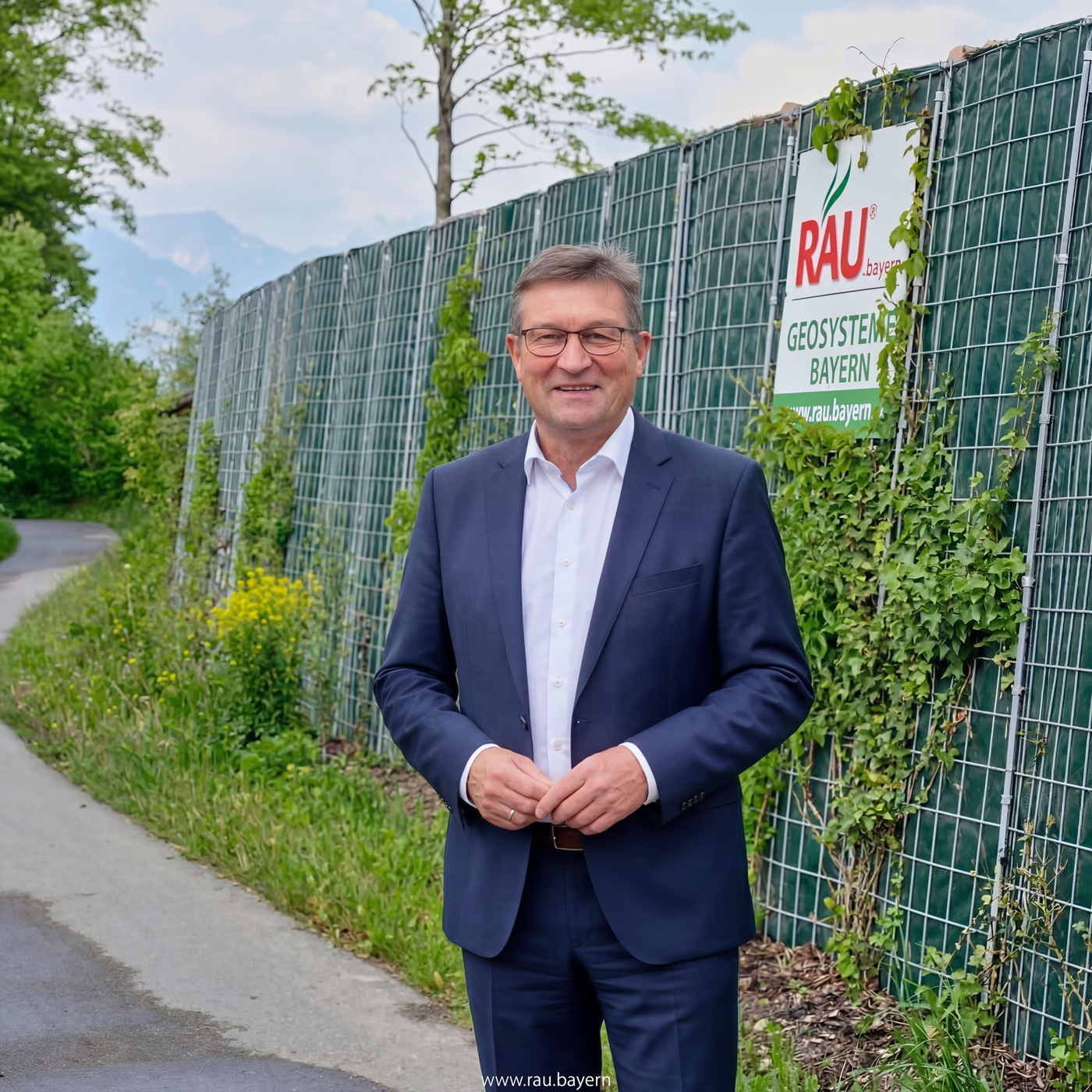
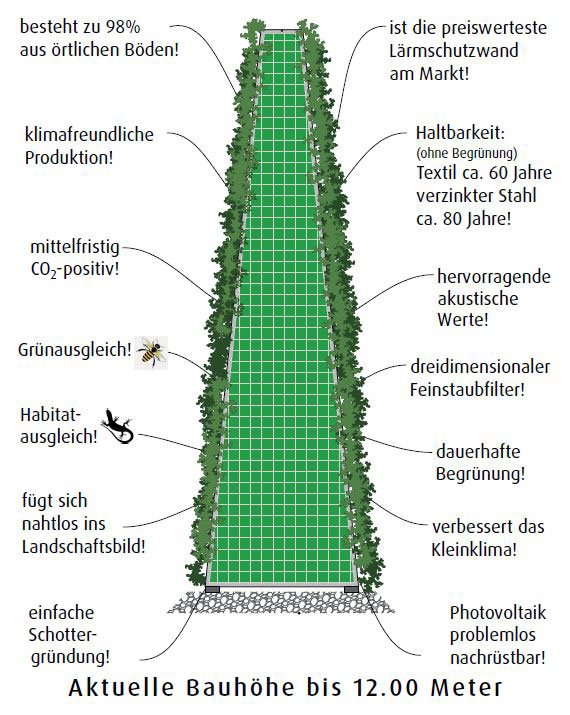
Along highways and expressways, noise abatement measures play a key role in determining whether residents will support new construction and expansion projects. Noise prevention measures are required for the construction of new federal highways or major modifications to existing ones, while noise abatement measures apply to existing stretches—in both cases, wall structures are built that will remain part of the landscape for decades. As a member of the German Association for Noise Protection along Transportation Routes, we develop green, highly absorbent wall systems that absorb highway noise while also serving as green infrastructure—by capturing fine particulate matter, planting at the base of the wall that requires no irrigation, and backfill typically made from locally sourced soil. We provide road construction authorities, engineering firms, and contractors with planning services, bid documents, construction kits, or turnkey solutions from Kaufbeuren.
From Noise Prediction to Contract Award—How the Wall Fits Into the Construction Process
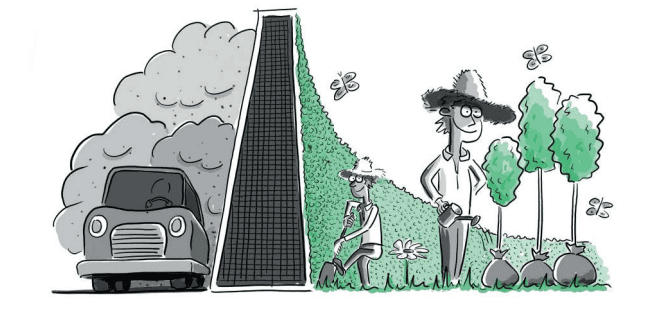
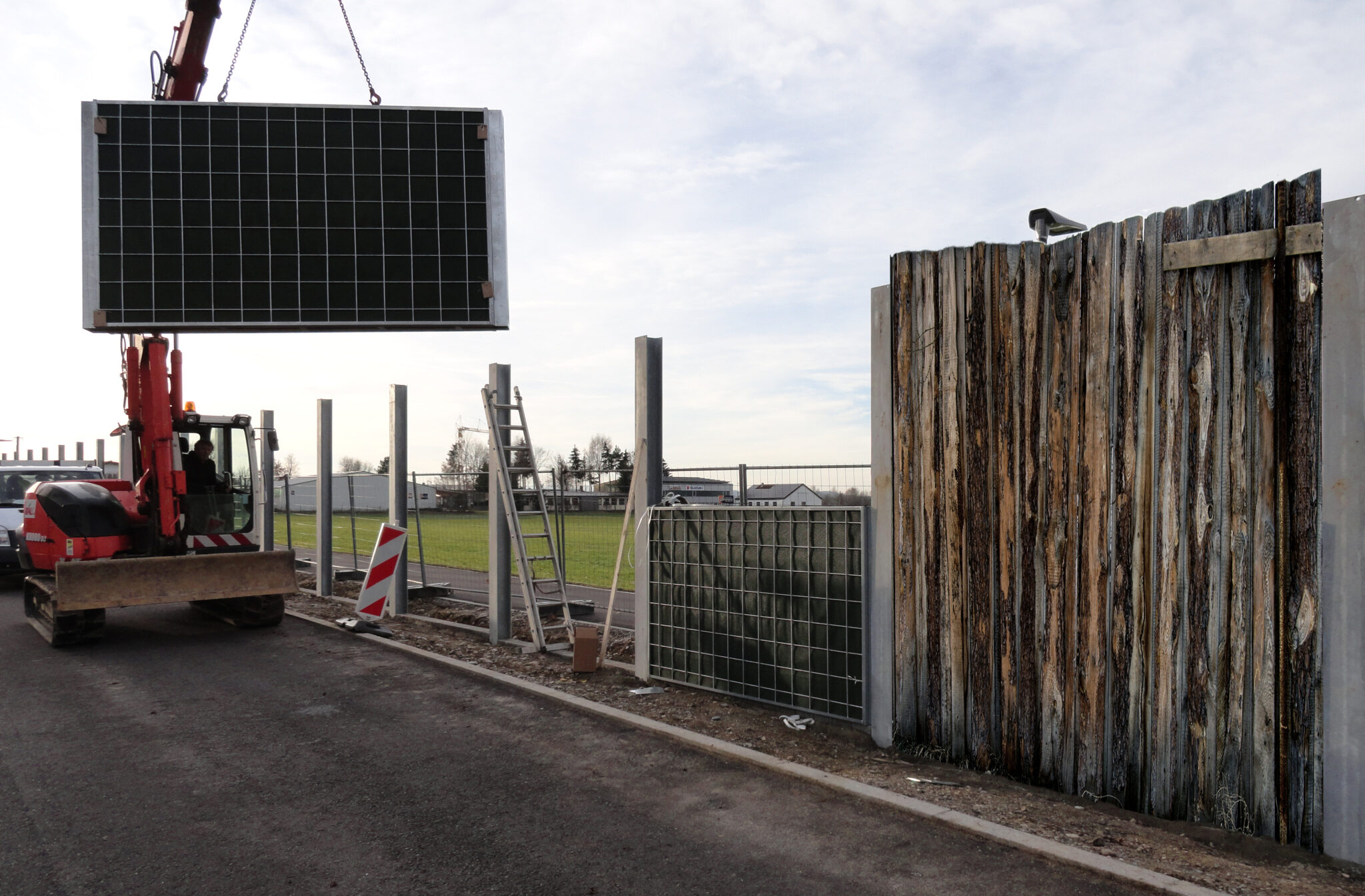
Highway projects go through lengthy planning and permitting phases during which the location, height, and design of noise barriers are specified. The design specifications are based on acoustic calculations performed by the highway authority in accordance with the Guidelines for Noise Protection along Roads (RLS-19); the barrier itself must then translate these specifications into a built reality. This is where our systems come in—highly absorbent, vegetated structures that absorb traffic noise rather than reflecting it to the opposite side of the roadway, where residential areas are often located as well. We provide specifications and construction drawings to contracting authorities and engineering firms; supplementary system documentation is available in the download section. Filling the structures with soil and mineral raw materials—typically sourced on-site—aligns with mass balancing practices in road construction and reduces transport traffic during the construction phase. As a member of the German Association for Noise Protection along Transportation Routes, we continuously monitor technical developments in transportation route noise protection and incorporate them into the planning and execution of our projects. Upon request, we also oversee the sampling process to ensure that the design and subsequent construction along the route remain consistent.
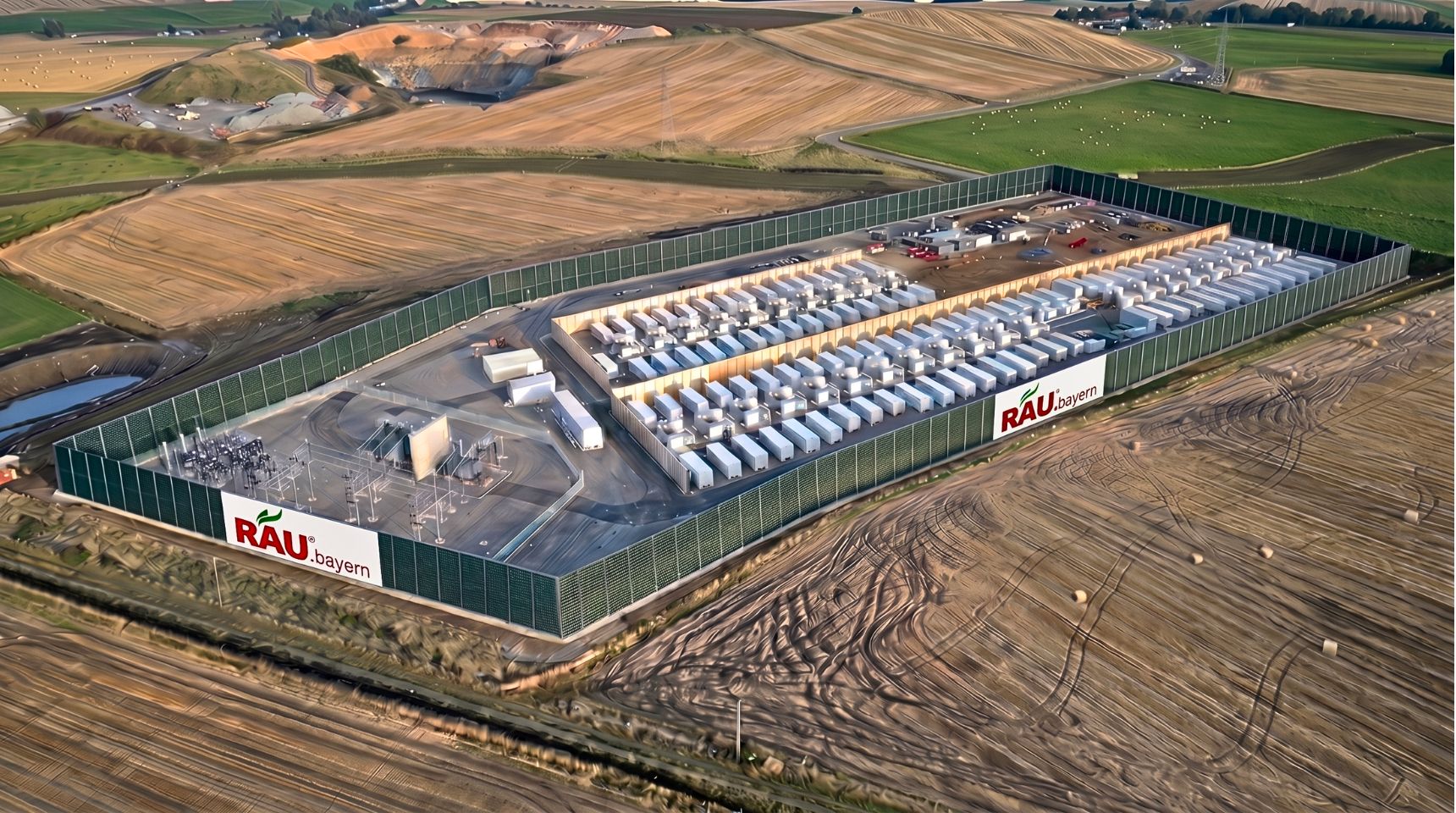
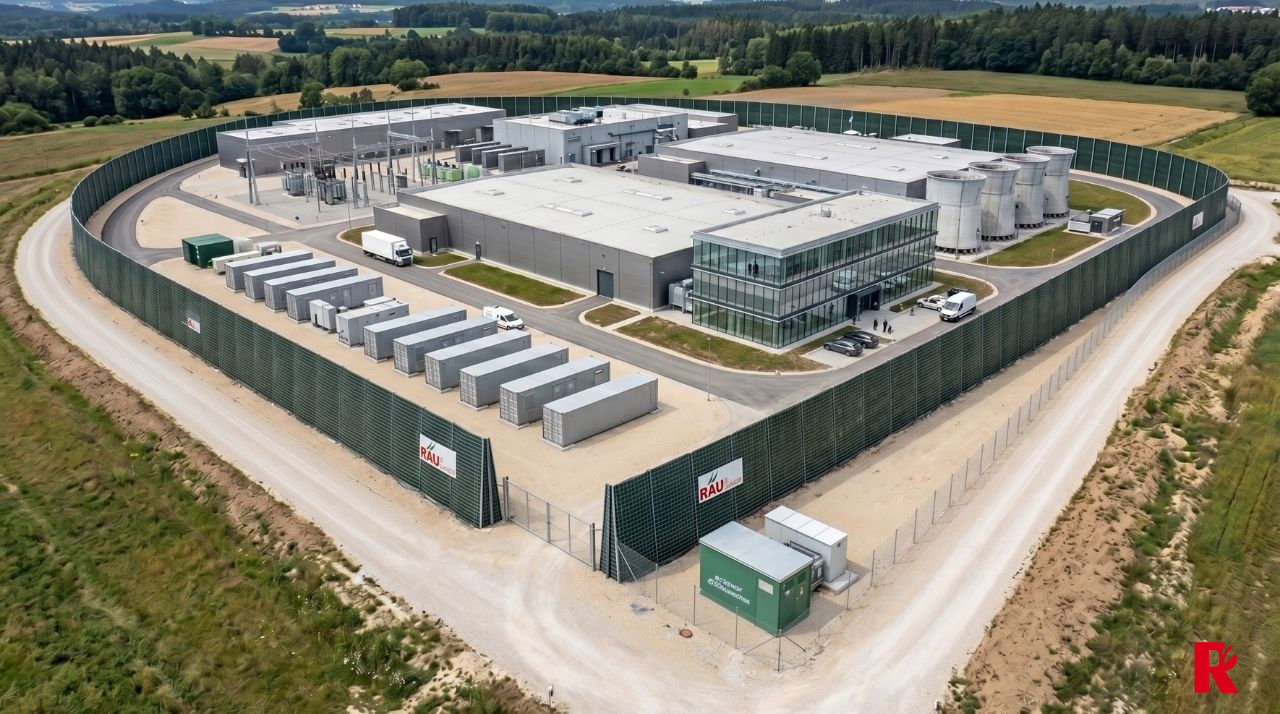
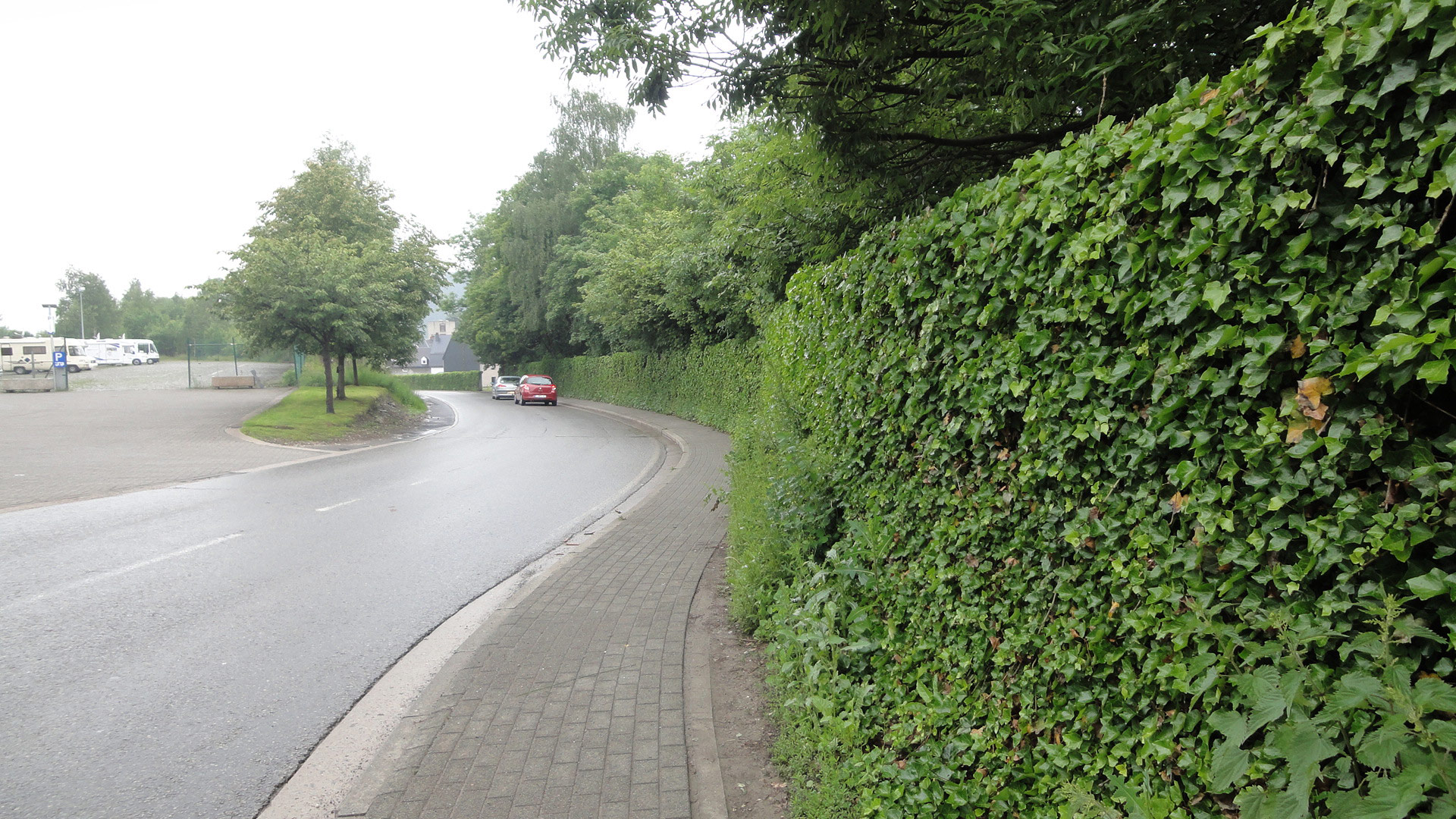
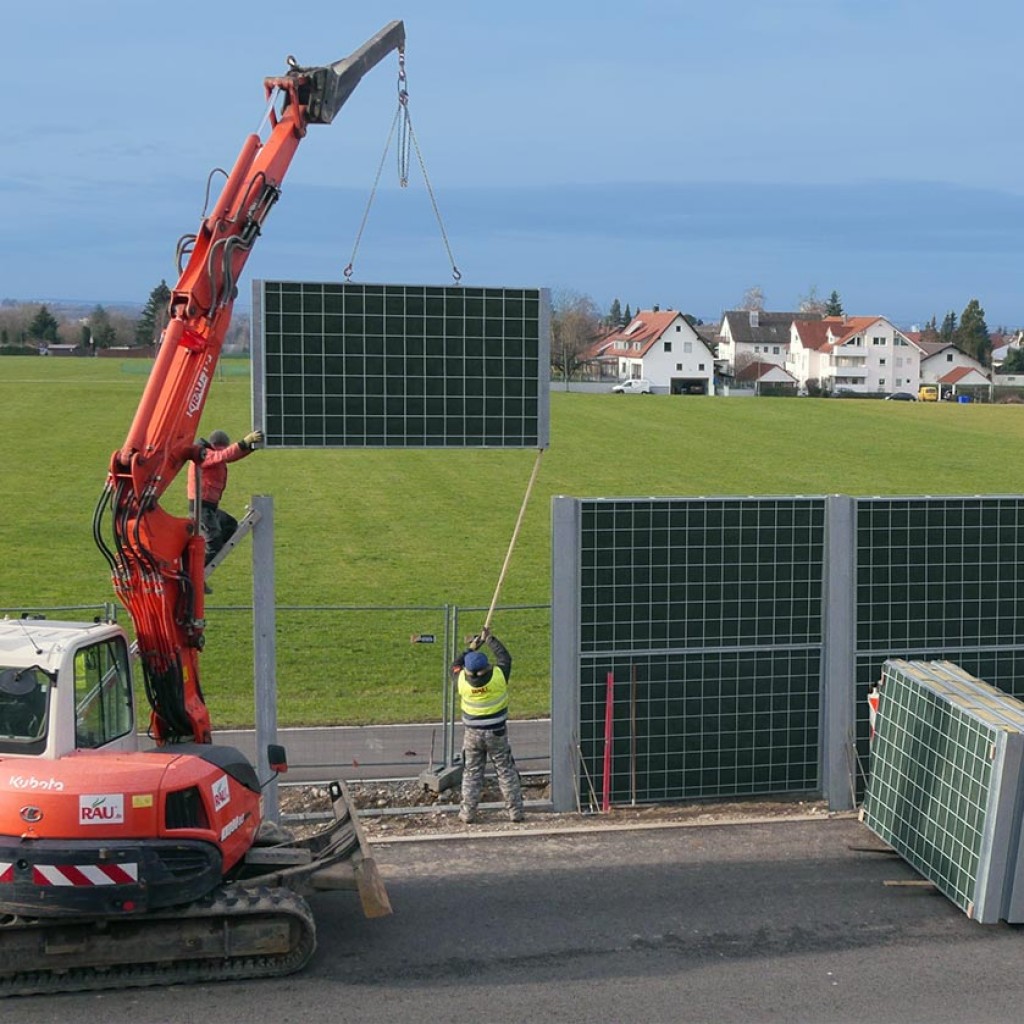
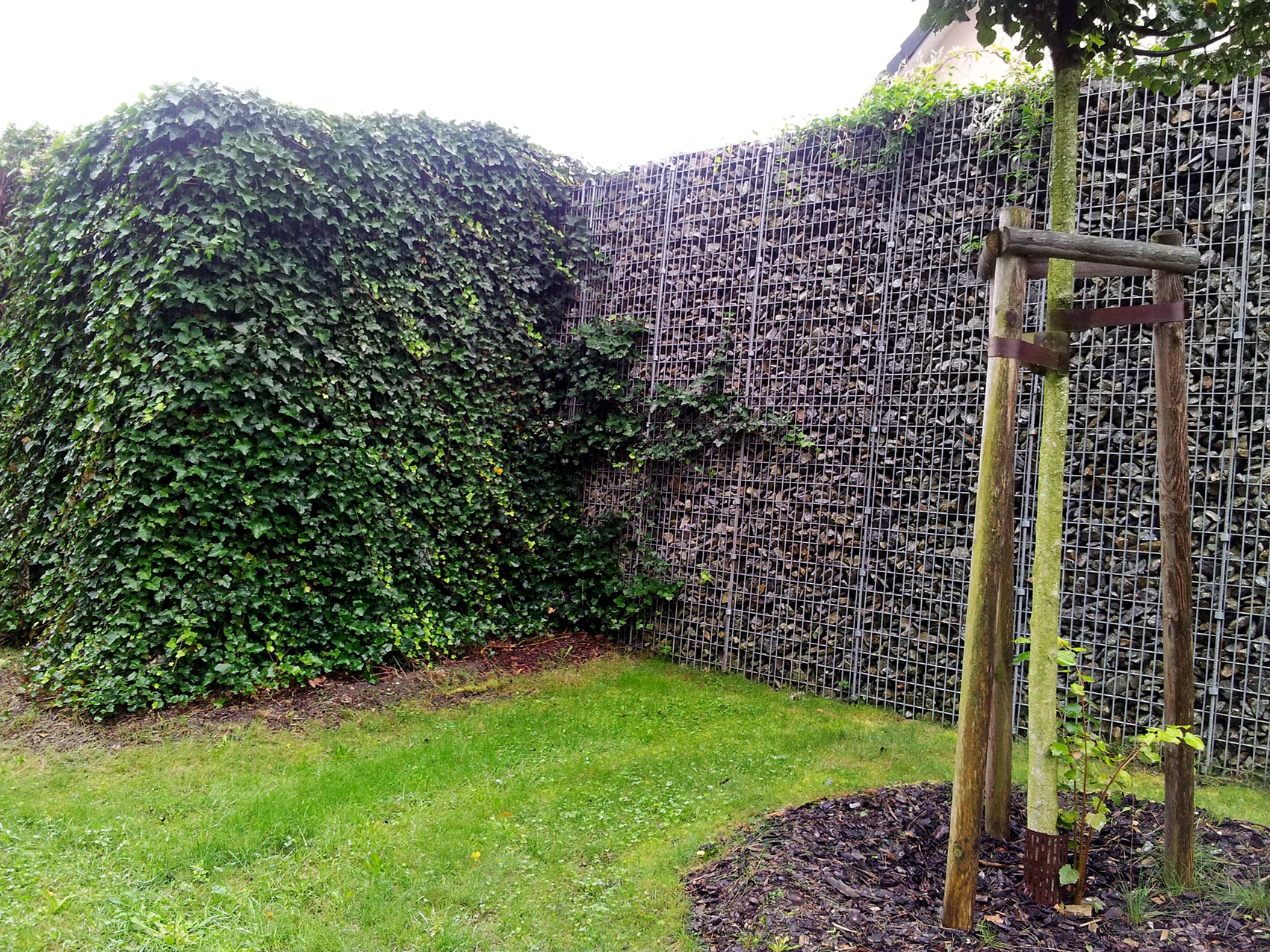
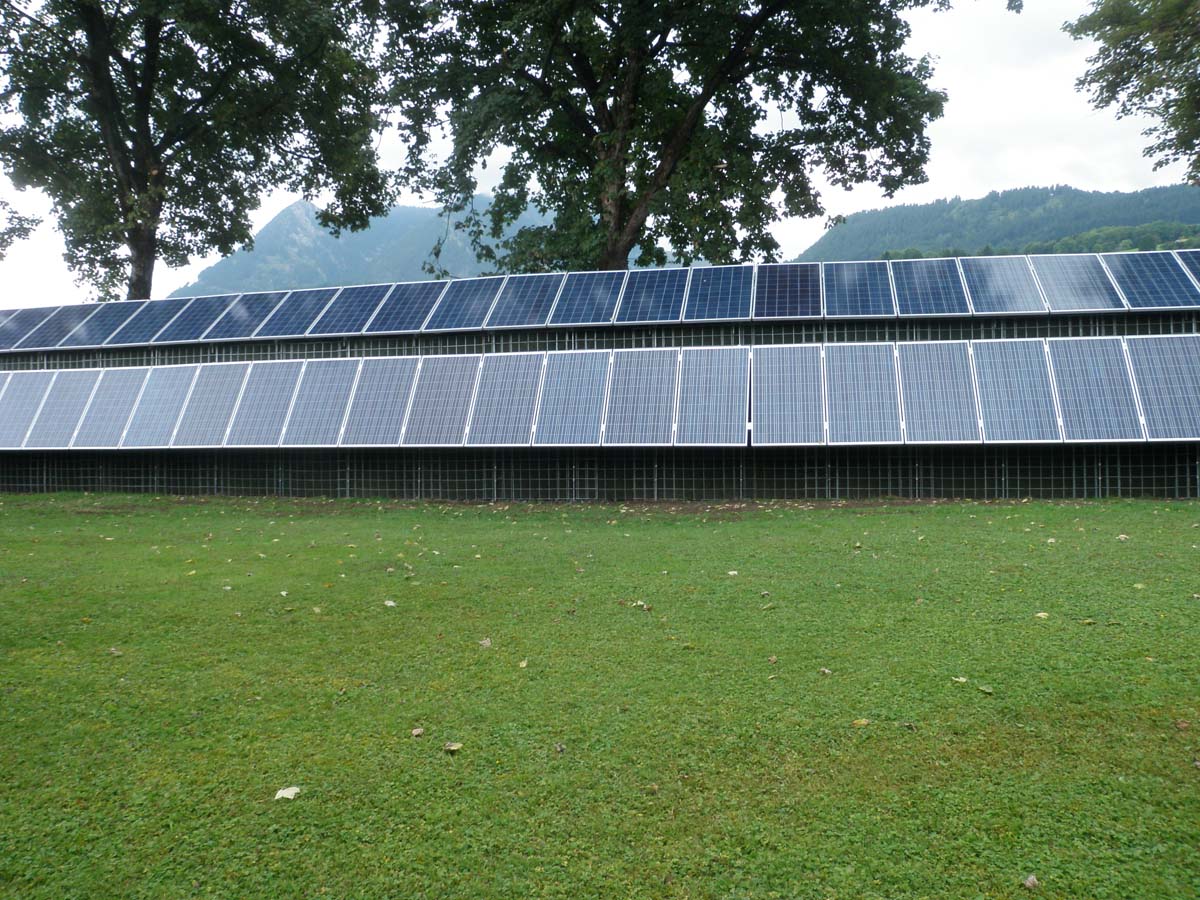
Green Walls Instead of Gray Kilometers
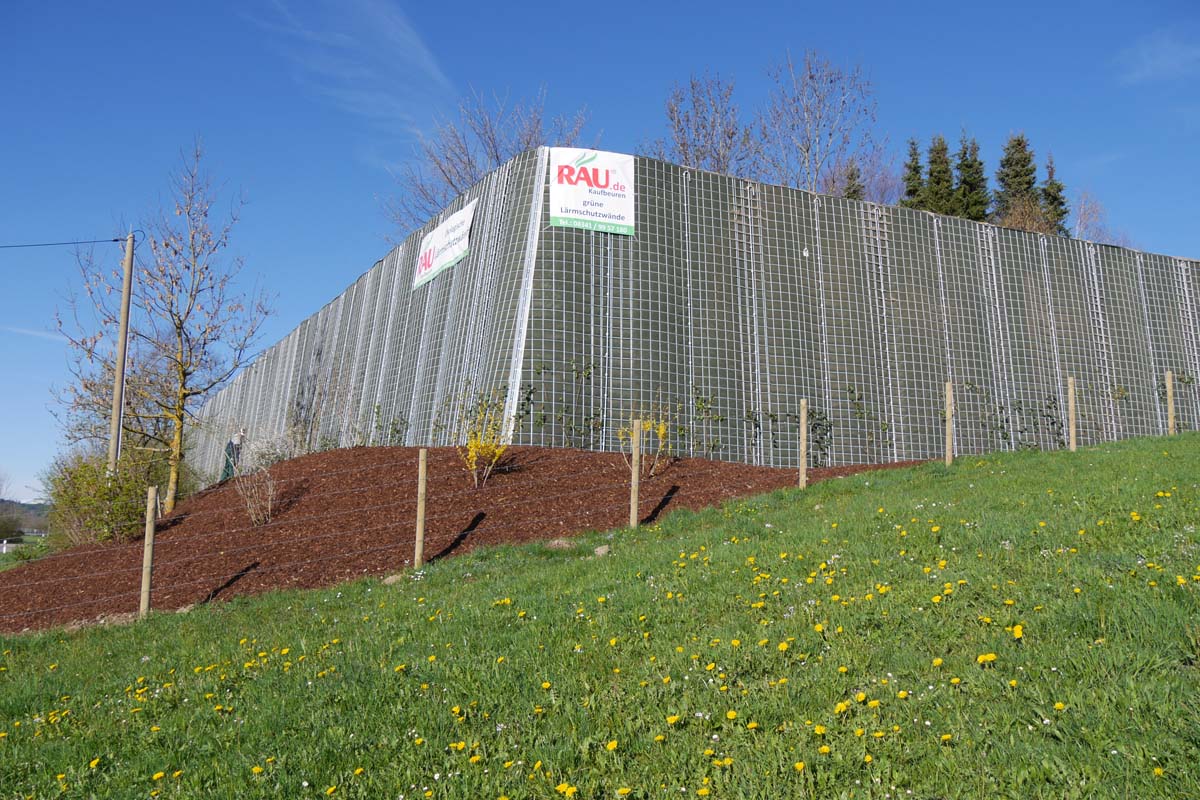
Highway barriers define the landscape of entire town outskirts, and local governments are increasingly calling for solutions that offer more than just noise protection. Our ecological noise barrier combines protection from highway noise with extensive greenery that captures fine particulate matter from traffic and requires no irrigation—the plants at the base of the wall are sustained by natural precipitation. For the RAU Klimawand R3, the environmental impact has been assessed; its Climate Handprint shows that emissions from raw materials, production, transportation, and construction are offset by the emissions sequestered by the vegetation within a few years; the CO2 assessment was verified by KlimAktiv. In Fehraltorf, Switzerland, we installed a Klimawand with heights ranging from 3.30 to 5.00 meters, adapted to the local conditions—proof that green systems can be adapted to varying roadbed heights. Installation is carried out as a turnkey project by our teams or as a kit for the contracting road construction company; upon completion, our service crews will, upon request, take over the monitoring and maintenance of the vegetation for the entire lifespan of the structure.


