
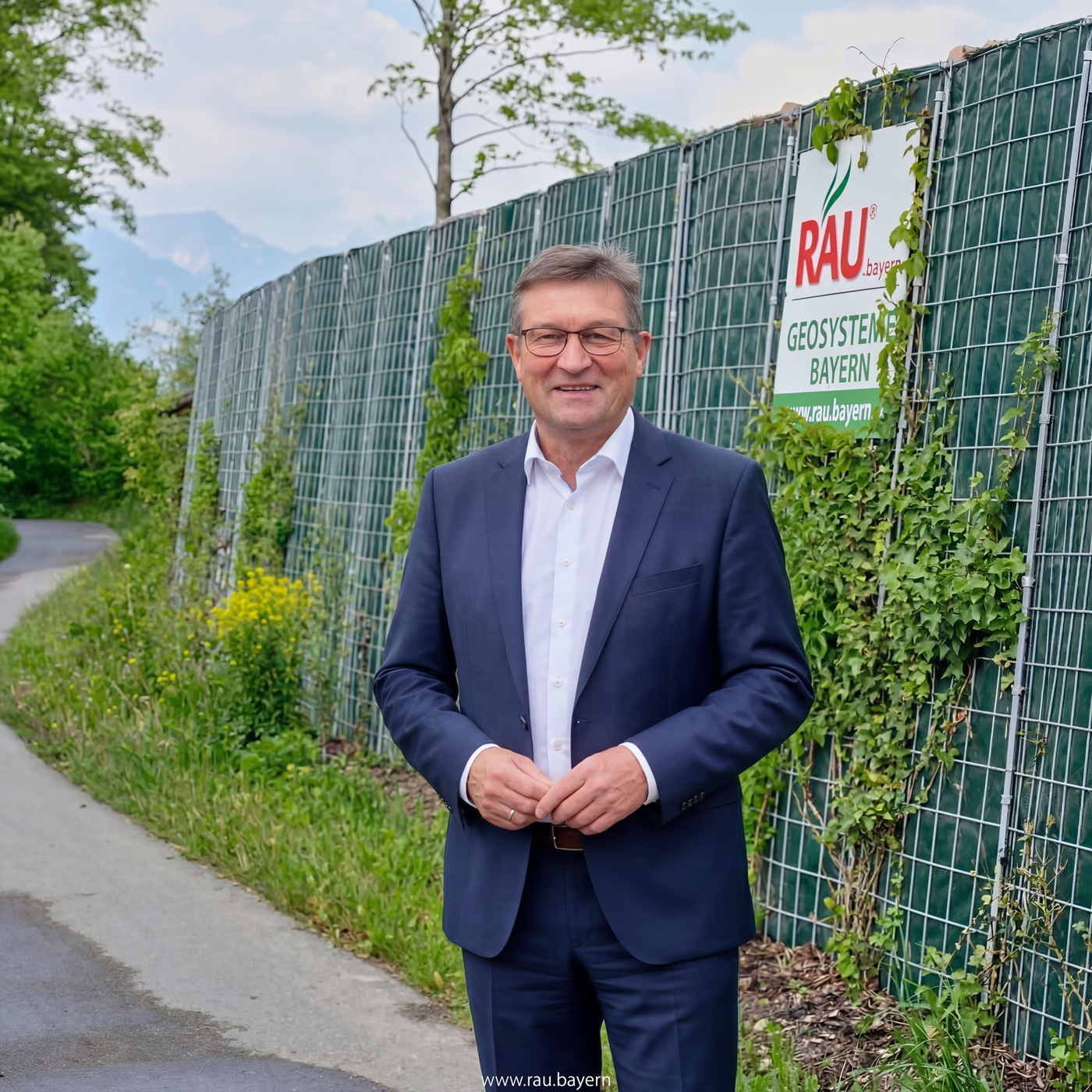
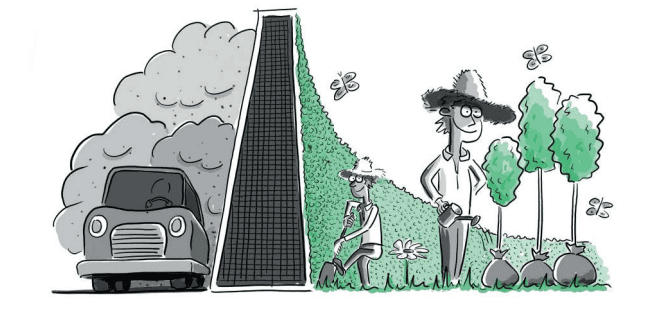
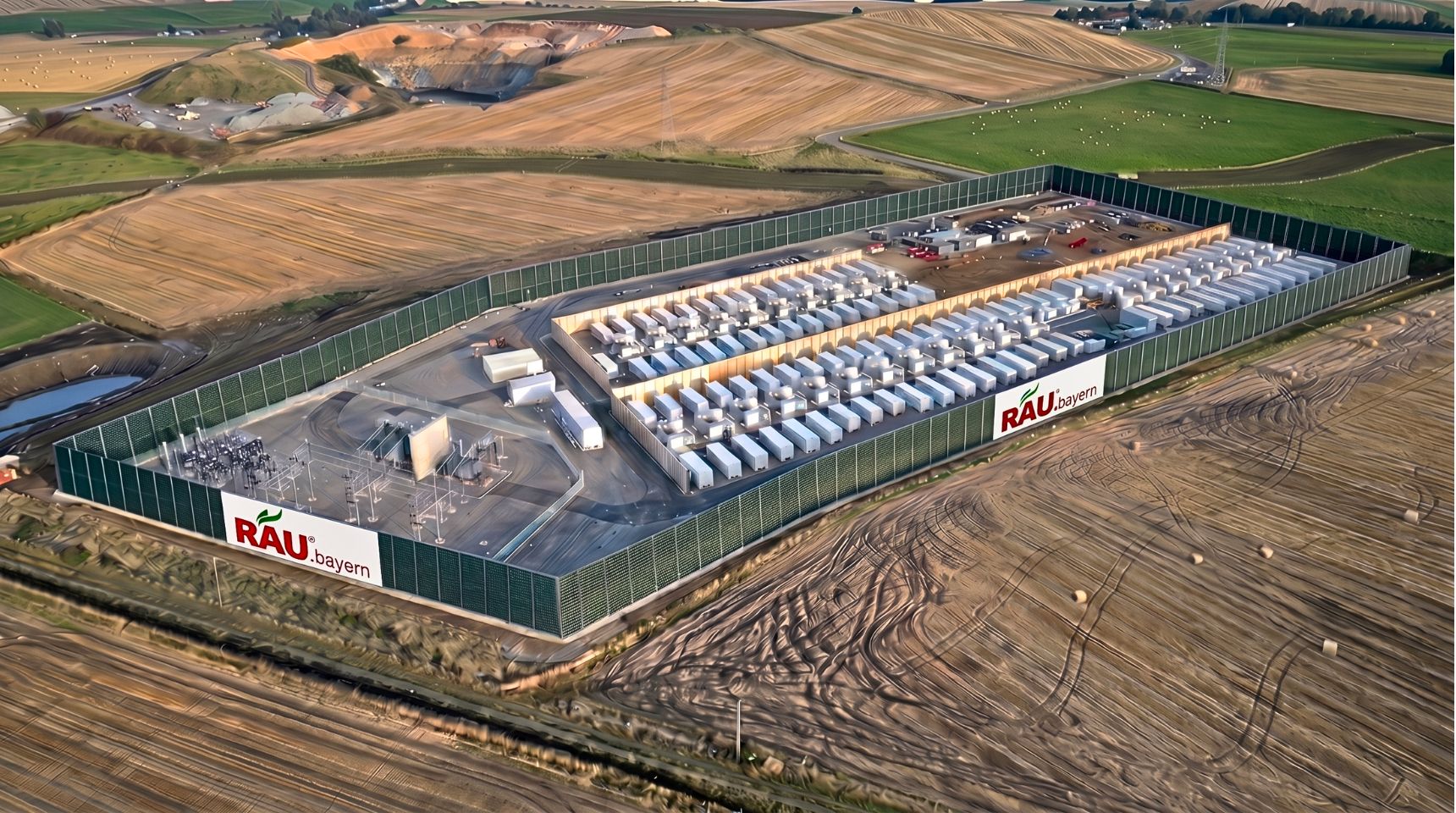
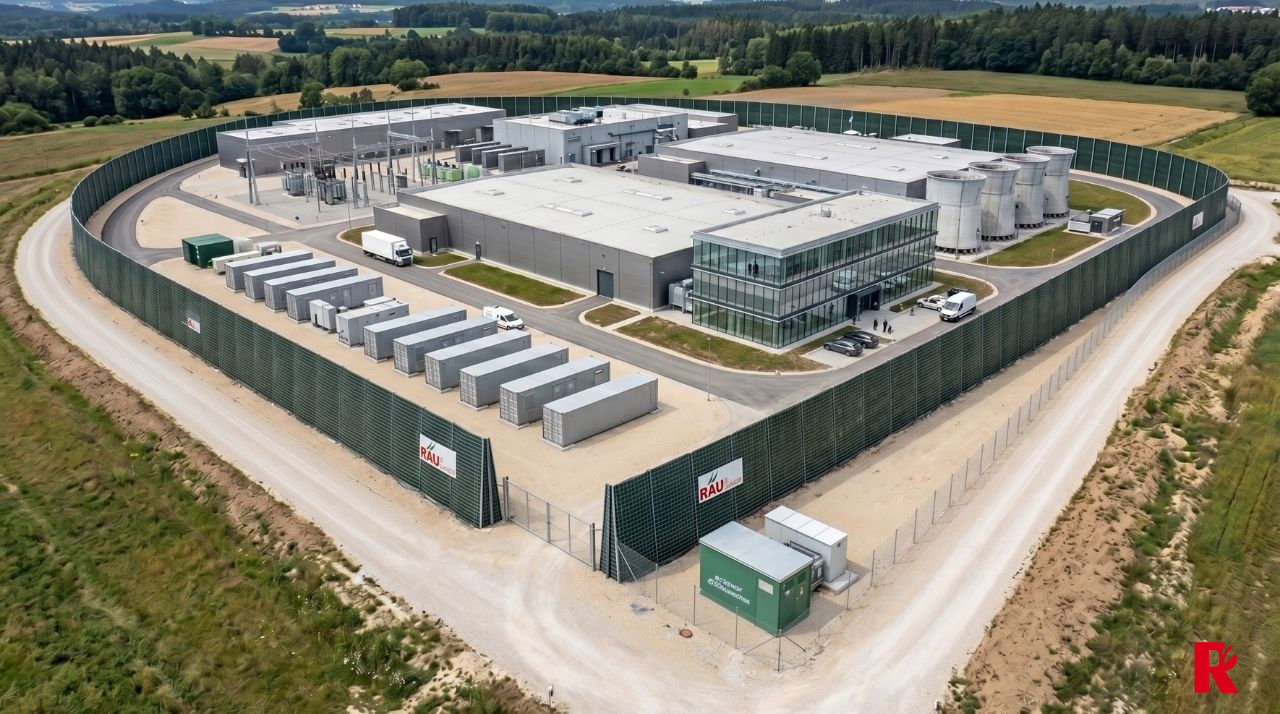
Transformers generate a low-frequency hum that residents find particularly disturbing and that carries far over hard surfaces. Furthermore, transformer stations and substations are often located closer to residential areas than current planning regulations would allow—making this a structural conflict. We erect highly absorbent, green noise barriers around such facilities that block the hum at the source while keeping access roads, service paths, and ventilation openings clear. The vegetation at the base of the wall utilizes natural precipitation, eliminating the need for irrigation. We provide grid operators and municipal utilities with planning, bid documents, installation, and ongoing maintenance—all from a single source—coordinated from our location in Kaufbeuren.
Shield Against Low-Frequency Hum, Ensure Operation
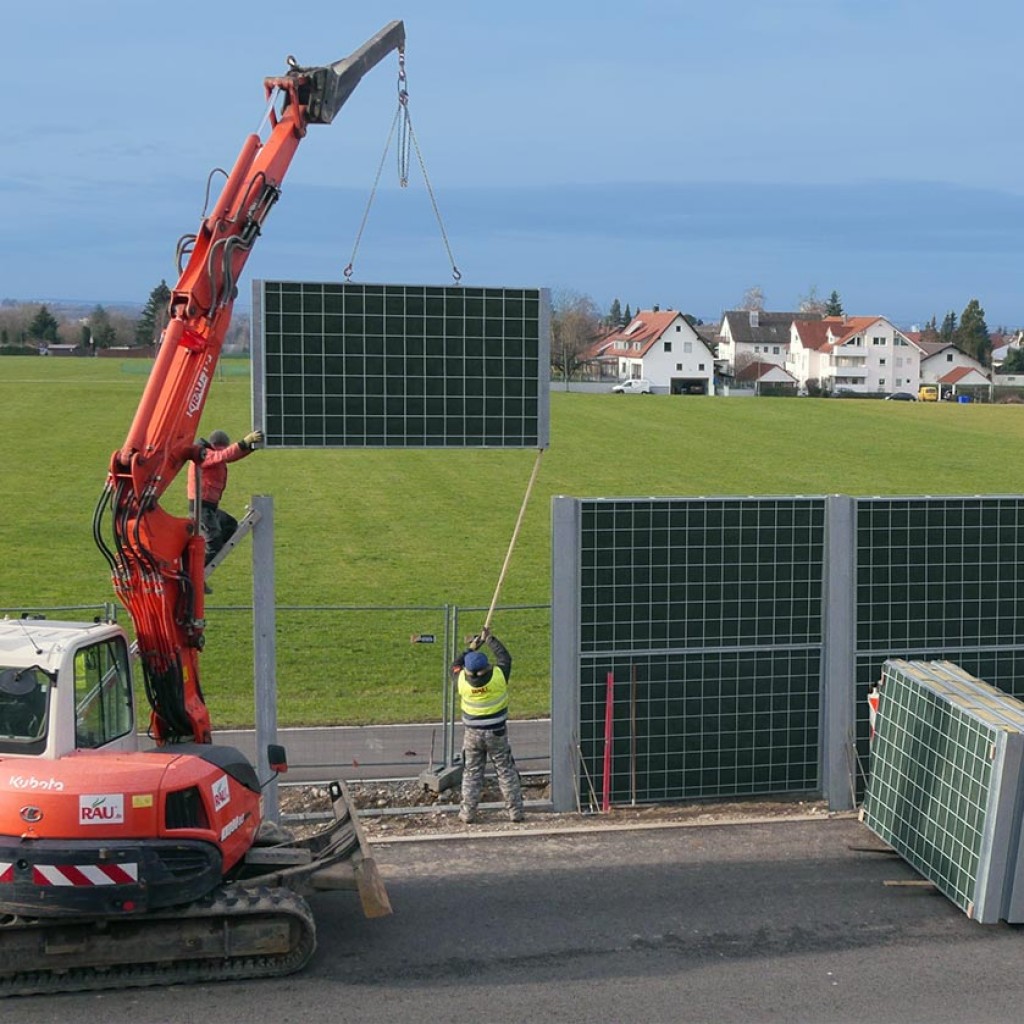
Tonal noises, such as the mains hum from a transformer, are assessed more strictly under the TA Lärm guidelines than broadband noise; therefore, it is worthwhile to consider shielding at an early stage. The wall is positioned as close to the substation as safety clearances, cable routes, and ventilation allow, since proximity to the source increases the effectiveness of any wall height. We incorporate service and escape routes, gates for transformer replacement, and access roads for heavy transport into the wall layout from the very beginning. For existing facilities, the subsoil often determines feasibility, as underground cables and foundations limit the space available for foundations; the RAU Rock Extensiv system page illustrates how the installation of prefabricated elements is carried out. Our highly absorbent systems also prevent reflections between the substation building and the wall, which could otherwise amplify humming. For tenders issued by grid operators, we provide specifications and construction drawings tailored to the procurement practices of municipal clients and the technical connection requirements of the respective substation. This ensures that the substation remains fully operational throughout the entire construction period.
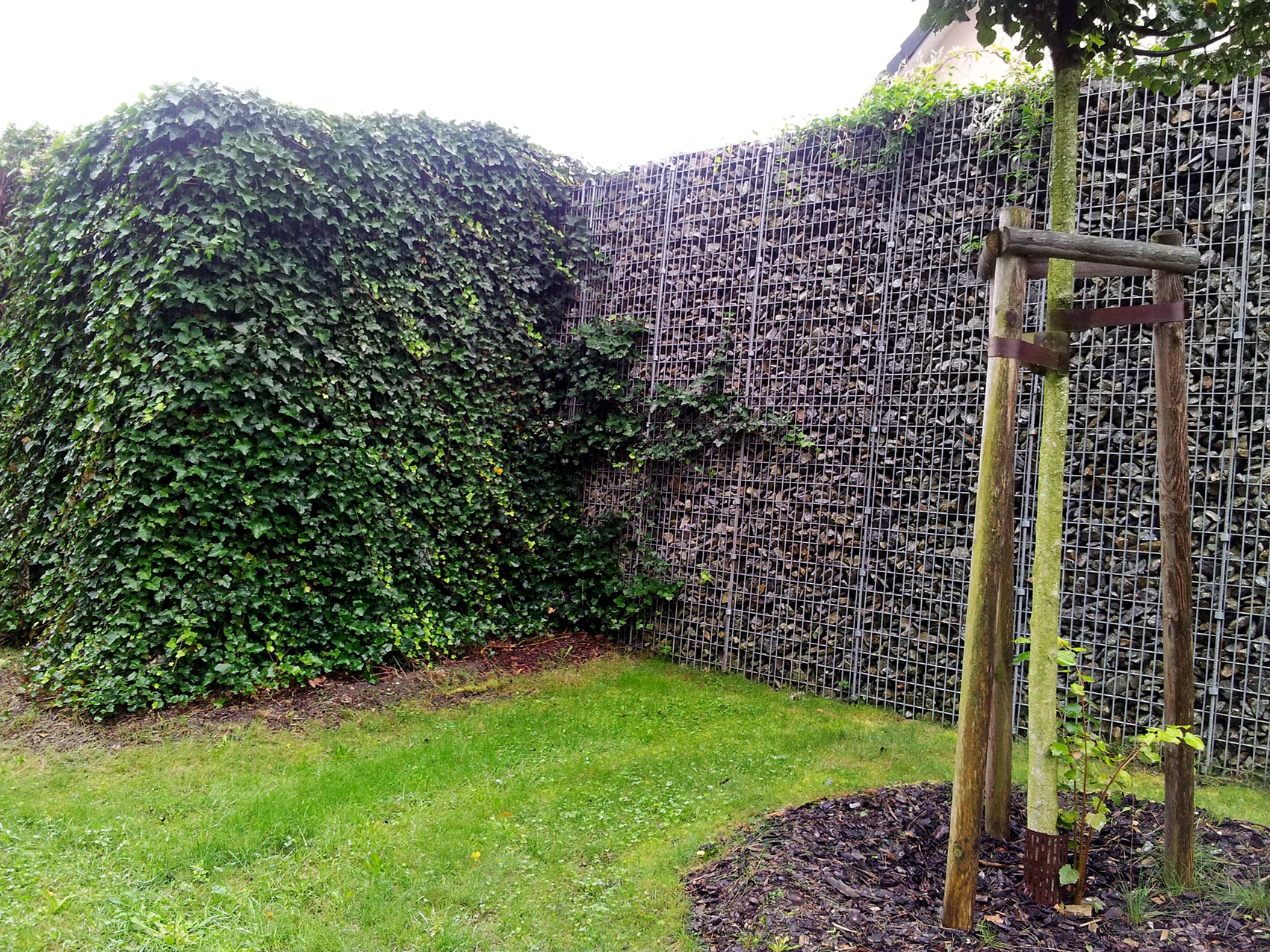
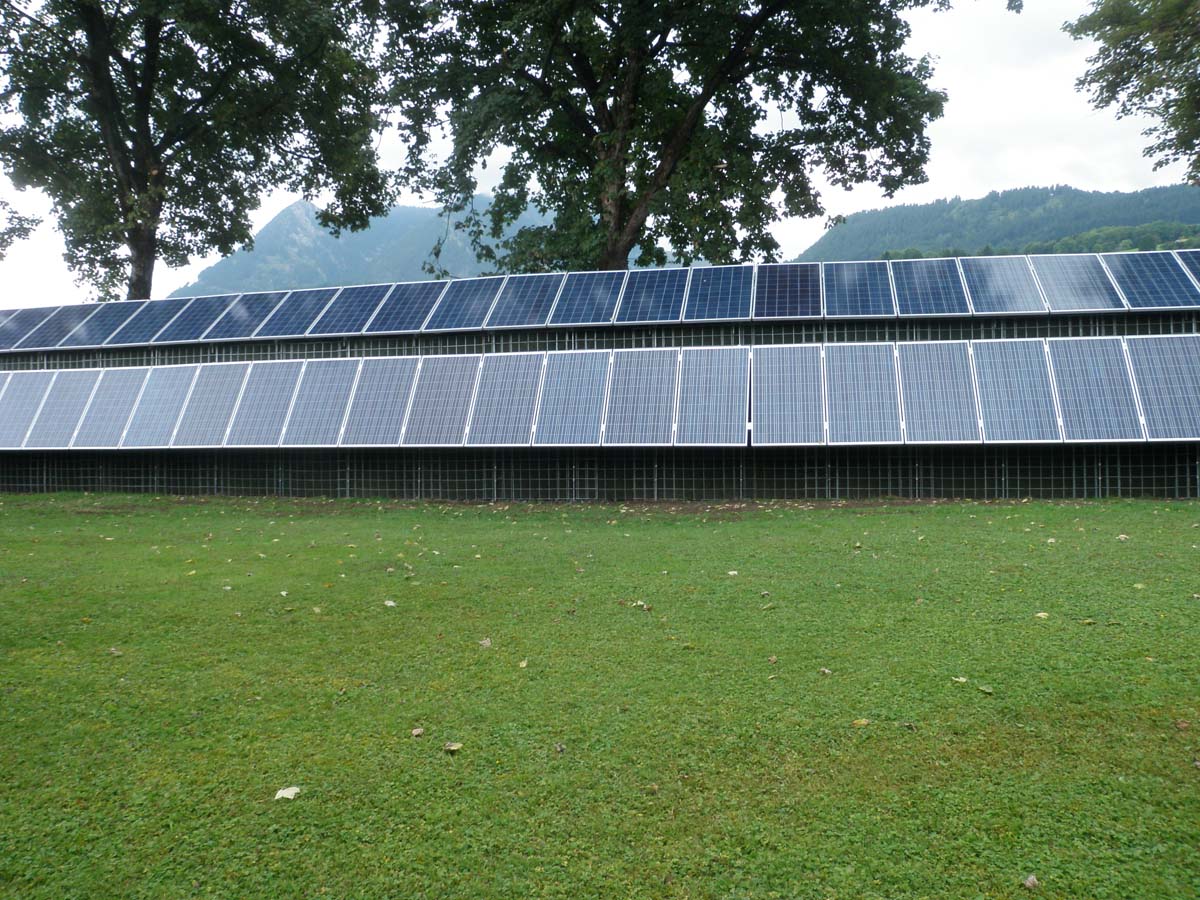
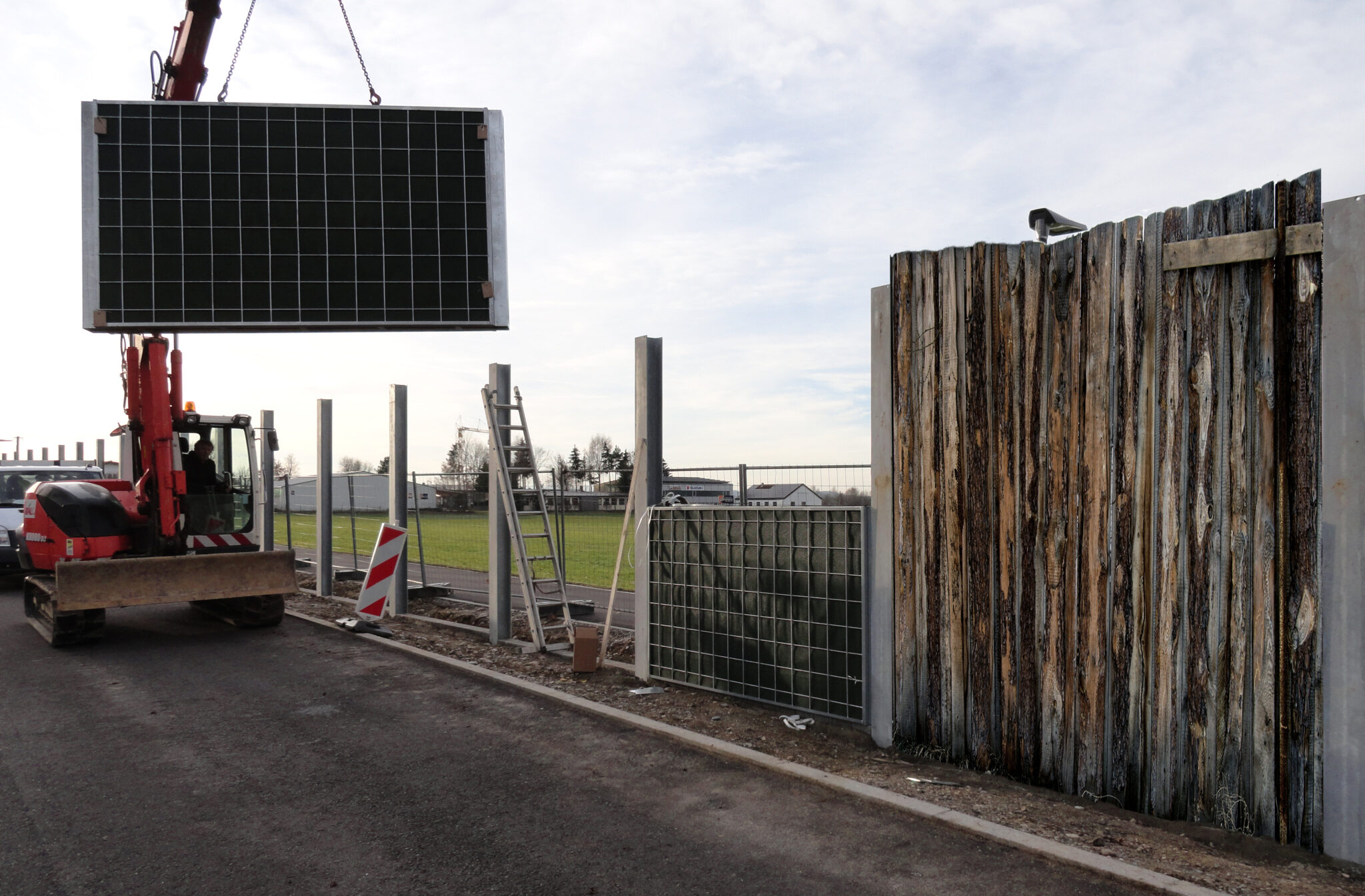
Green Infrastructure Instead of a Gray Industrial Backdrop
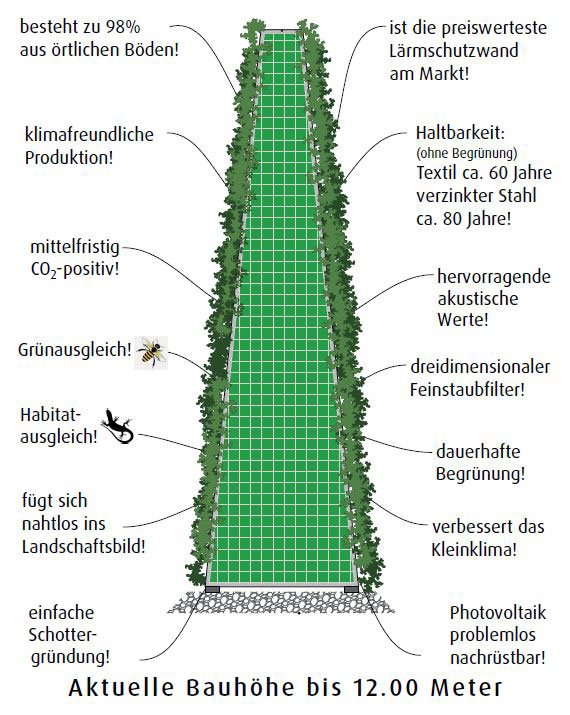
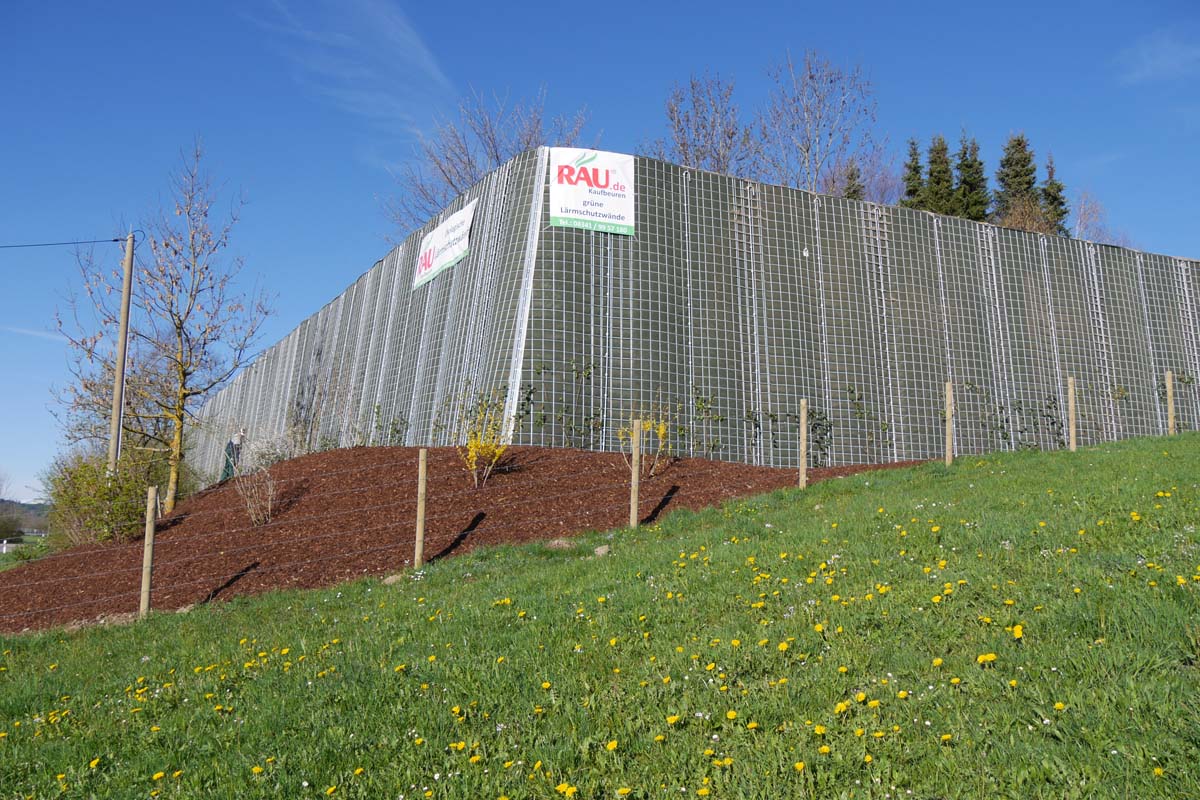
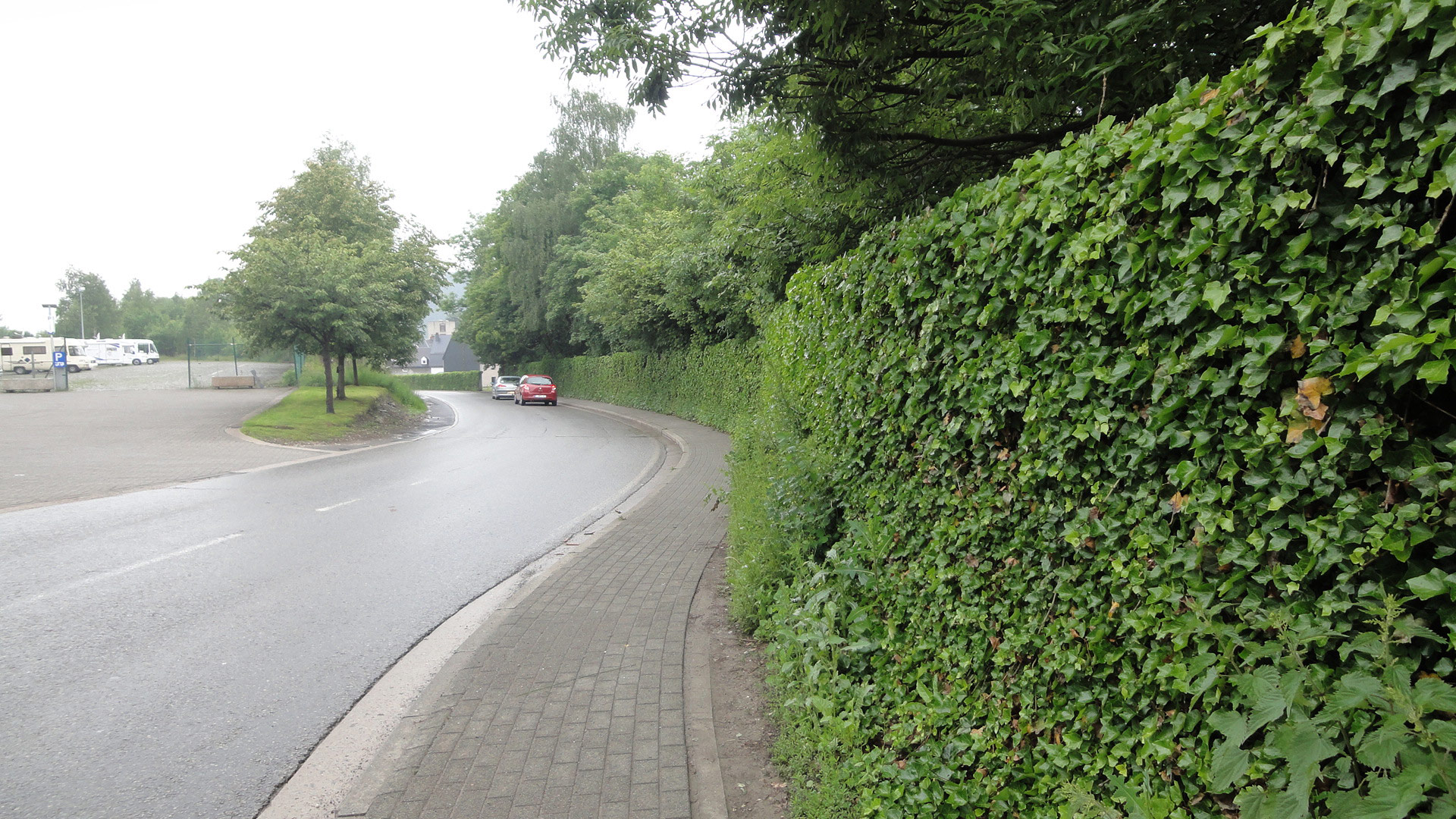
Substations and transformer stations shape their surroundings for decades, and public acceptance comes more easily when the technology is hidden behind living greenery. Our wall systems are typically filled with locally sourced soil and mineral raw materials and feature vegetation that traps fine particulate matter and requires no irrigation. The system page for RAU’s green noise barrier explains how this structure works in detail. In Pfaffenhofen an der Ilm, we installed a “Klimawand” system comprising several wall sections and two integrated noise-barrier doors—an example of how passageways and accessibility can be integrated into green walls. For operators with climate goals, the RAU Klimawand R3 provides a Climate Handprint; the underlying CO2 accounting has been verified by KlimAktiv. After completion, our service teams maintain the plantings and structure, while the low-maintenance, extensive construction method keeps long-term costs low. Upon request, we can supply the wall as a kit to be installed by a regional construction company on behalf of the utility operator. Both approaches have proven successful in municipal projects.


