
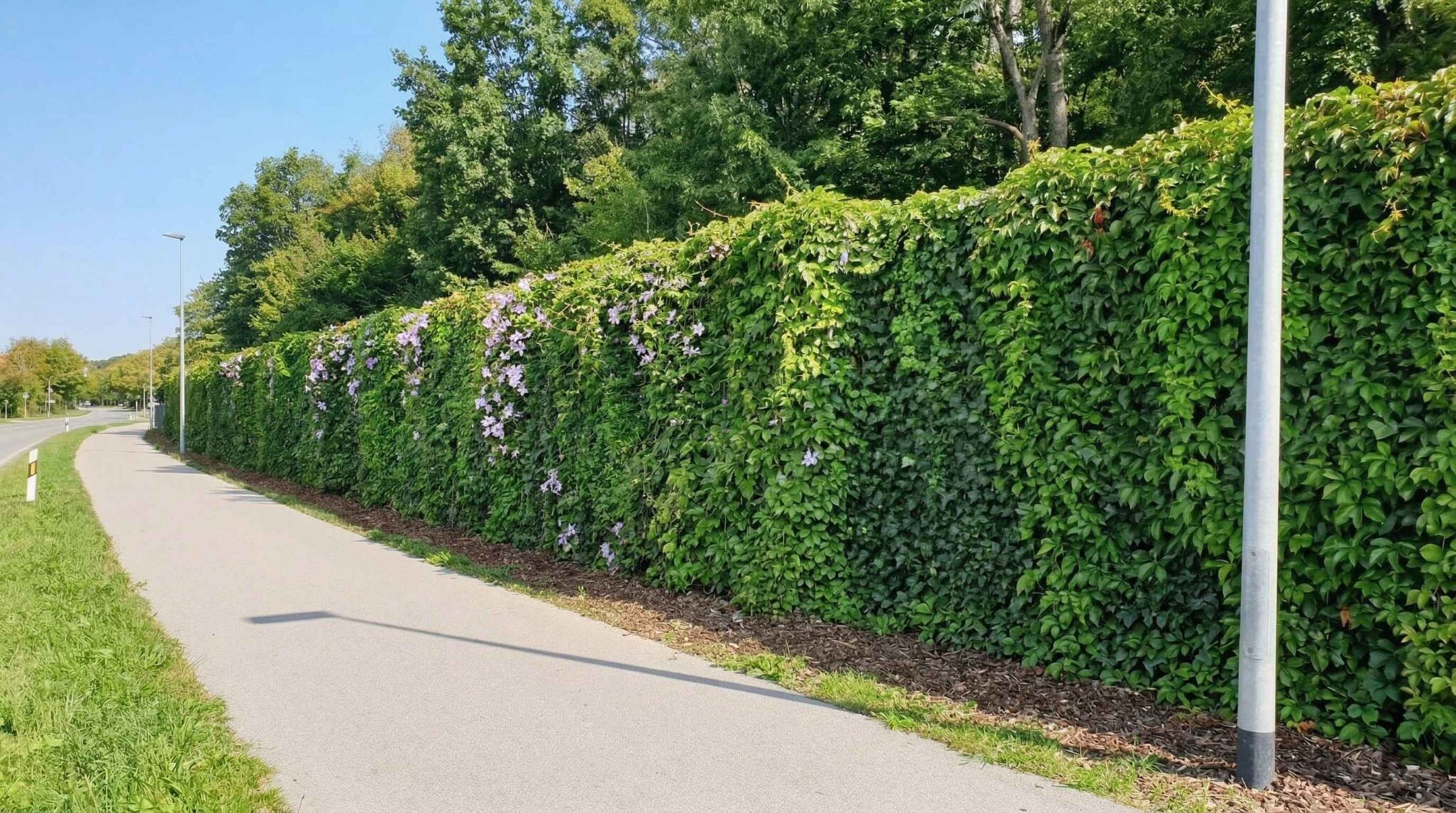
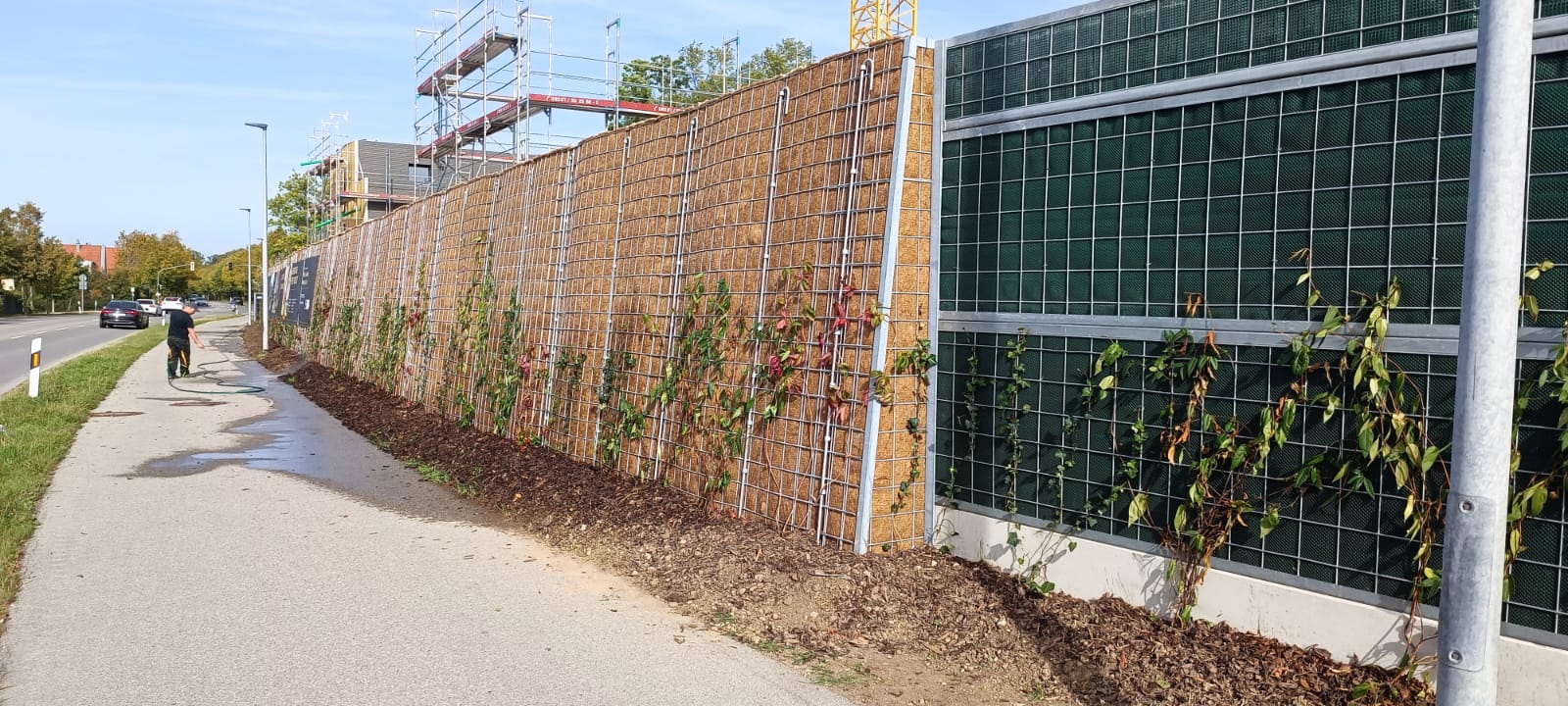
Linz is different – this applies not only to the city’s self-image as a UNESCO City of Media Arts, but also to the noise backdrop. With voestalpine, Chemie Linz and the Danube port, three of Austria’s largest industrial sites are located directly on the outskirts of the city. To the south, the A7 Mühlkreisautobahn separates the Bindermichl district from the rest of the city, while to the north the Danube spans the city with rail and road bridges. Anyone who lives in Urfahr, Ebelsberg or Bindermichl knows the mixture of industrial, rail and road noise from their own experience. The new development areas in the south, for example around the Solar City in Pichling, are also not far from traffic routes. At RAU.bayern, we supply noise barriers from the Allgäu to Linz – to private developers, commercial enterprises, residential developers and municipal clients. Our focus is on green noise protection systems that do more than just dampen noise: they contribute to urban greening and the binding of particulate matter – an issue that has been on the agenda in an industrial city like Linz for years. We sit down with you, listen to your situation, examine the local conditions and develop a concrete proposal. A one-size-fits-all solution rarely works – a well thought-out one almost always does.
Industrial noise and traffic noise in the south of Linz - a claim of its own
Few cities in Austria have a noise backdrop like the south of Linz. Heavy industry, rail traffic, the highway and dense residential development come together here in a confined space. voestalpine produces around the clock; the Westbahn railway line runs through the city area; the A7 is one of the busiest highway sections in Austria. Residential areas such as Bindermichl, Spallerhof and Wegscheid are located in the immediate vicinity of these noise sources.
The acoustic character differs fundamentally: industrial noise is often low-frequency, continuous and comes from a great height – for example from chimneys, blast furnaces or cooling towers. Traffic noise tends to be broadband and pulsating. Rail noise has its own peaks and frequencies. A noise barrier for a residential property in Wegscheid must therefore have different properties than a protective structure on a district road in Urfahr or a protective wall along a factory access road in an industrial area.
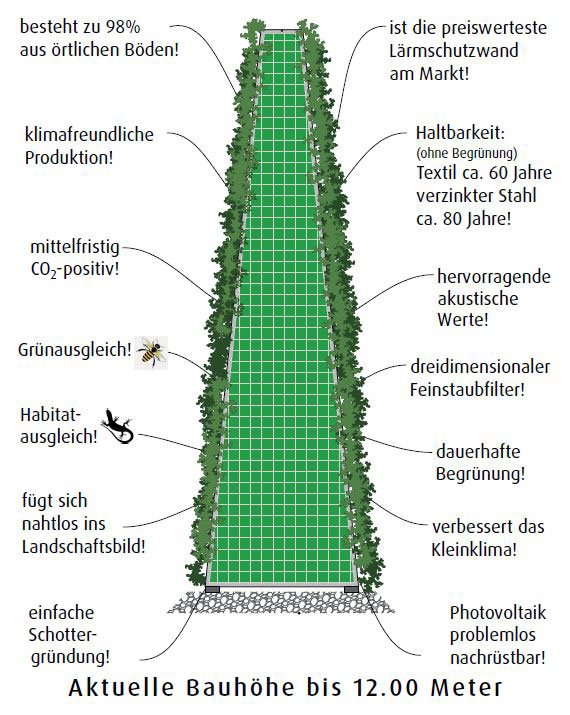
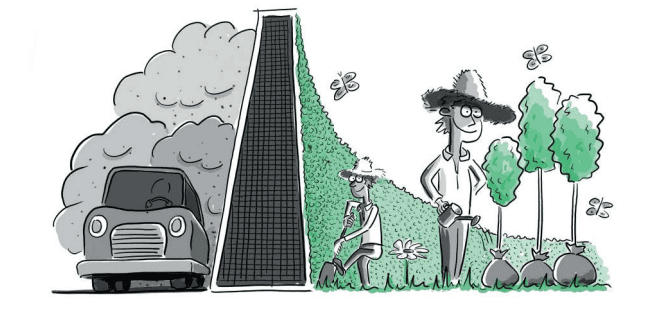
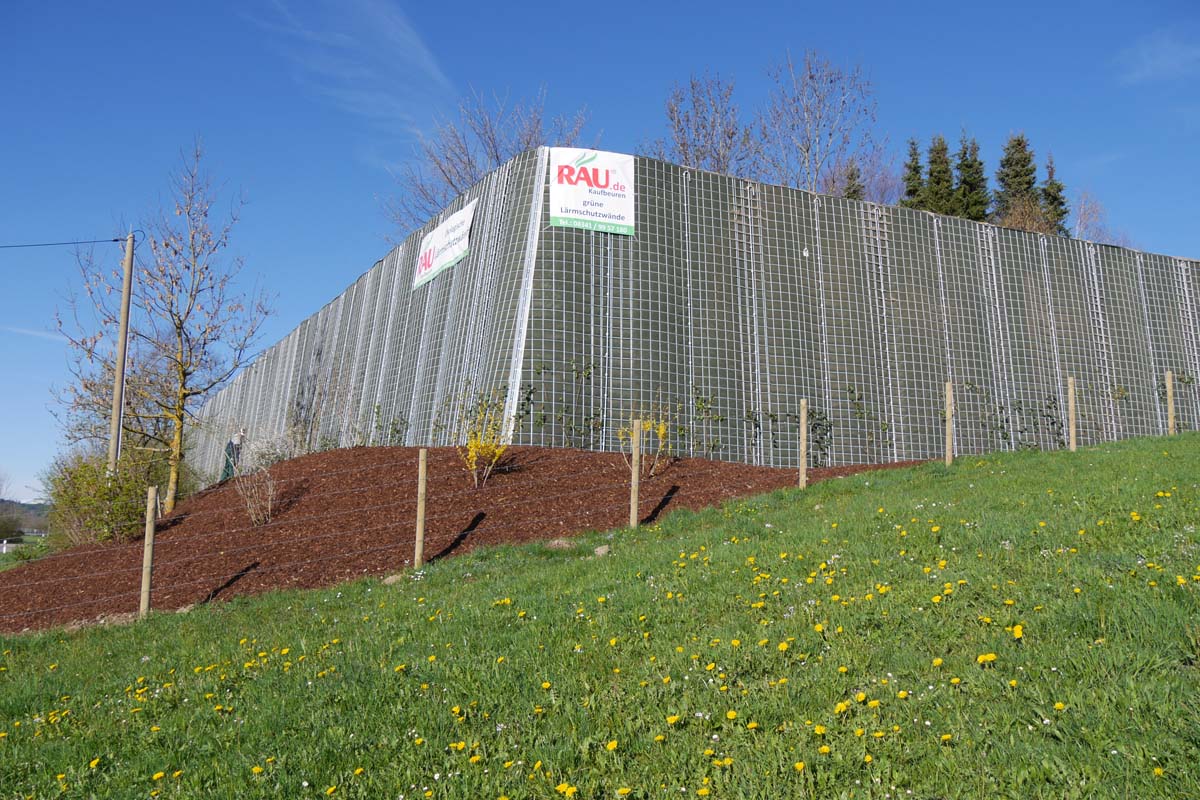
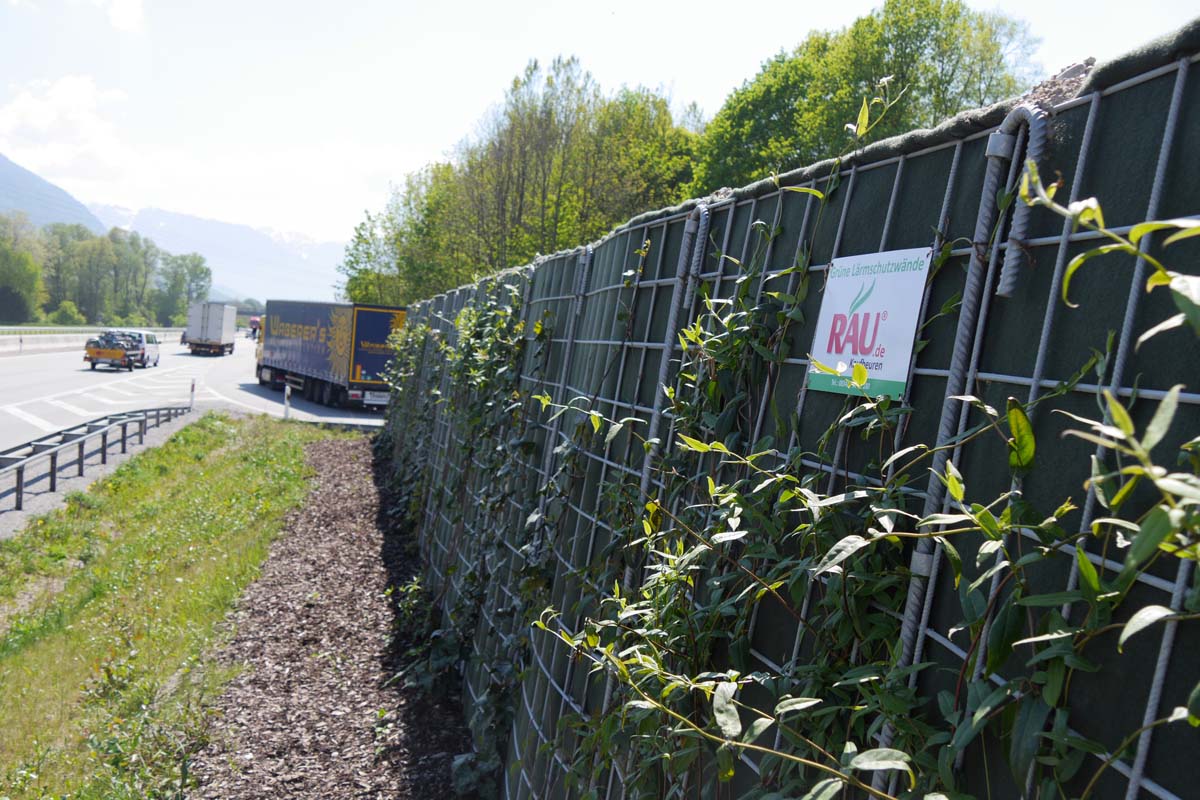
Our RAU systems cover a broad frequency spectrum and are primarily absorbent – they absorb sound instead of reflecting it. This is particularly important in densely built-up areas, because reflective walls can reflect the noise back to the opposite side of the street. In Linz, where many streets are densely built-up, this is a real advantage.
For each project, we check which noise dominates and which wall height and type of construction makes sense. For residential properties in the south of Linz with a view of the voestalpine plants, we often talk about walls between three and four meters high, combined with absorbing modules. For protection against traffic noise on a city street, two to three meters are often sufficient. We make the differences clear to you before you decide – with arguments, not with sales pressure.
Delivery and assembly in Linz - approach from Kaufbeuren
It is around 350 kilometers from our location in Kaufbeuren to Linz. The route leads via the A7 to the north, the A8 towards Munich and Salzburg, then onto the A1 Westautobahn. The journey takes around three and a half to four hours by truck, making Linz one of the major Austrian cities that is easier for us to reach logistically. Deliveries can be planned on a daily basis without the driver having to stay overnight, which improves costs and flexibility. This means you save twice as much when making several deliveries for a larger project.
In Linz itself, the A7 Hafenstraße, Salzburger Straße and Linz-Zentrum exits are the most important access points to the city. For deliveries to the industrial area around the port or to commercial properties in Leonding and Traun, we usually use the connections to the Westring or the A25 Welser Autobahn. In the closer residential areas of Urfahr-Umgebung or Bindermichl, we work with smaller vehicles or local interim storage if the direct access route is narrow. We coordinate delivery times with you and, if necessary, with the City of Linz if special permits are required.
The following applies to installation: for simpler projects – a noise barrier along a garden in St. Magdalena, for example – installation is often completed in one day. For larger orders, such as commercial noise protection structures in the port area or multi-storey residential complexes, we plan several working days. We bring our own fitters from Bavaria and work together with reliable Upper Austrian partner companies in Linz. You always have a contact person who knows the system and is also available as a contact after completion – not just a salesperson who disappears once the order has been placed.


