
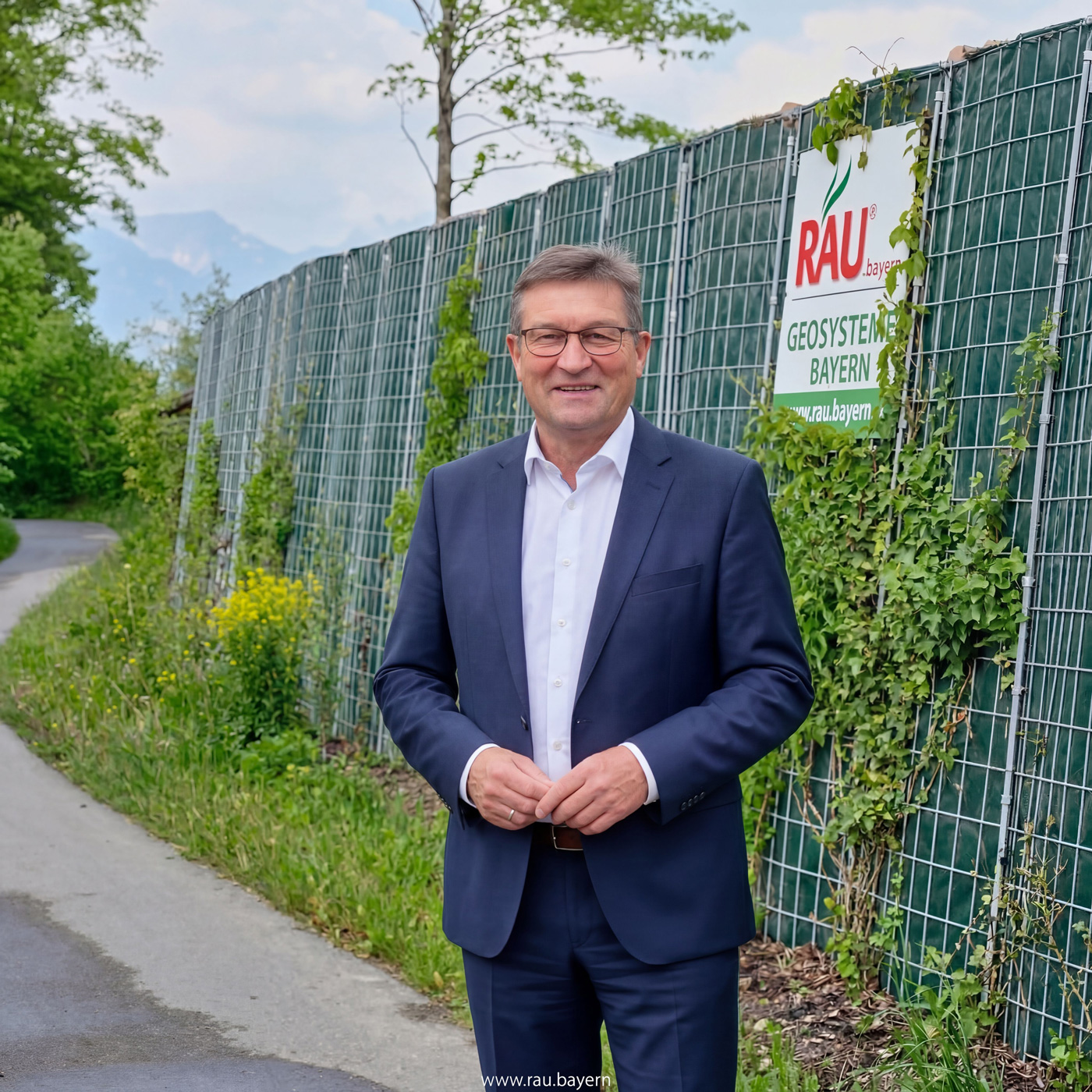
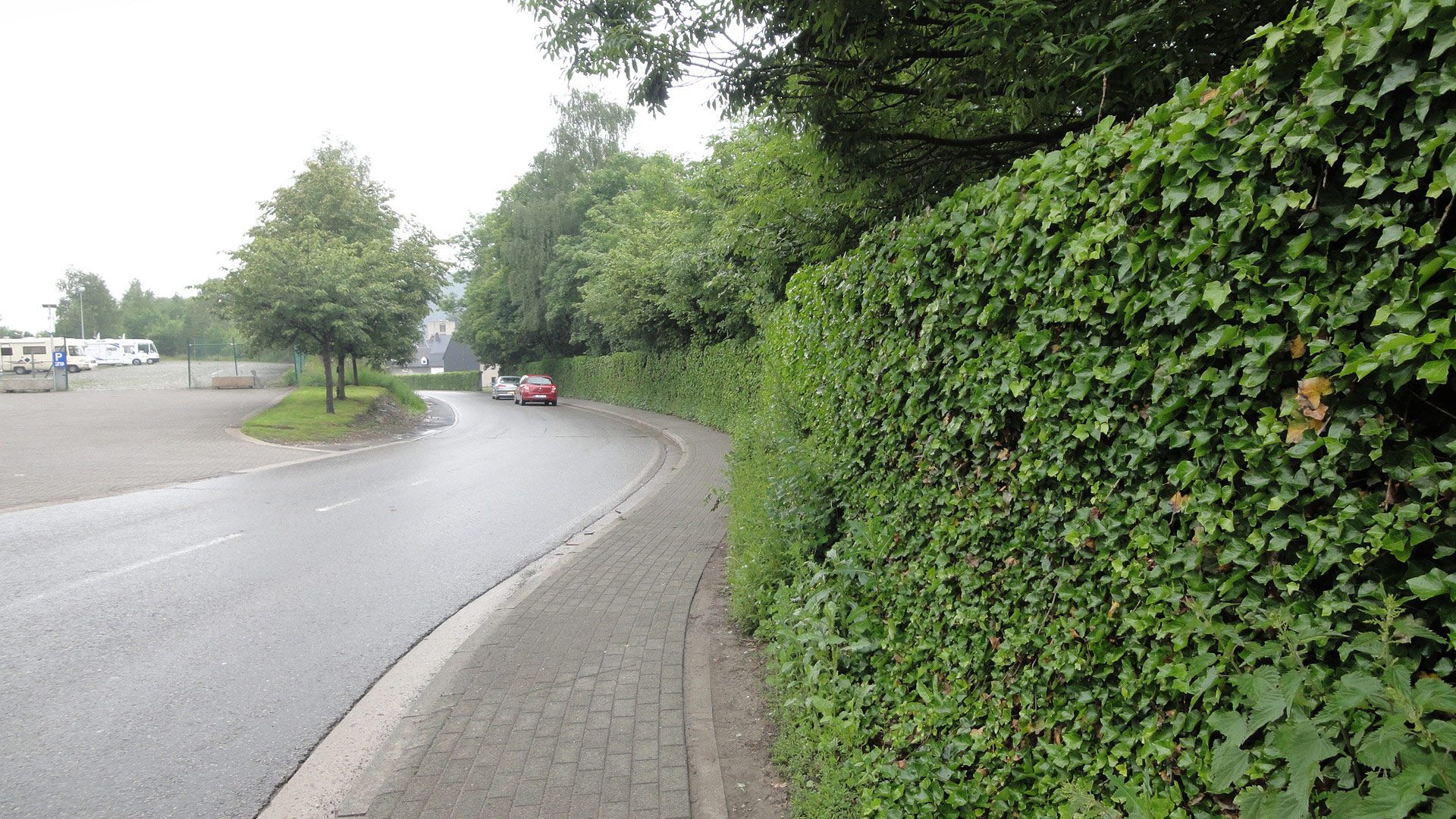
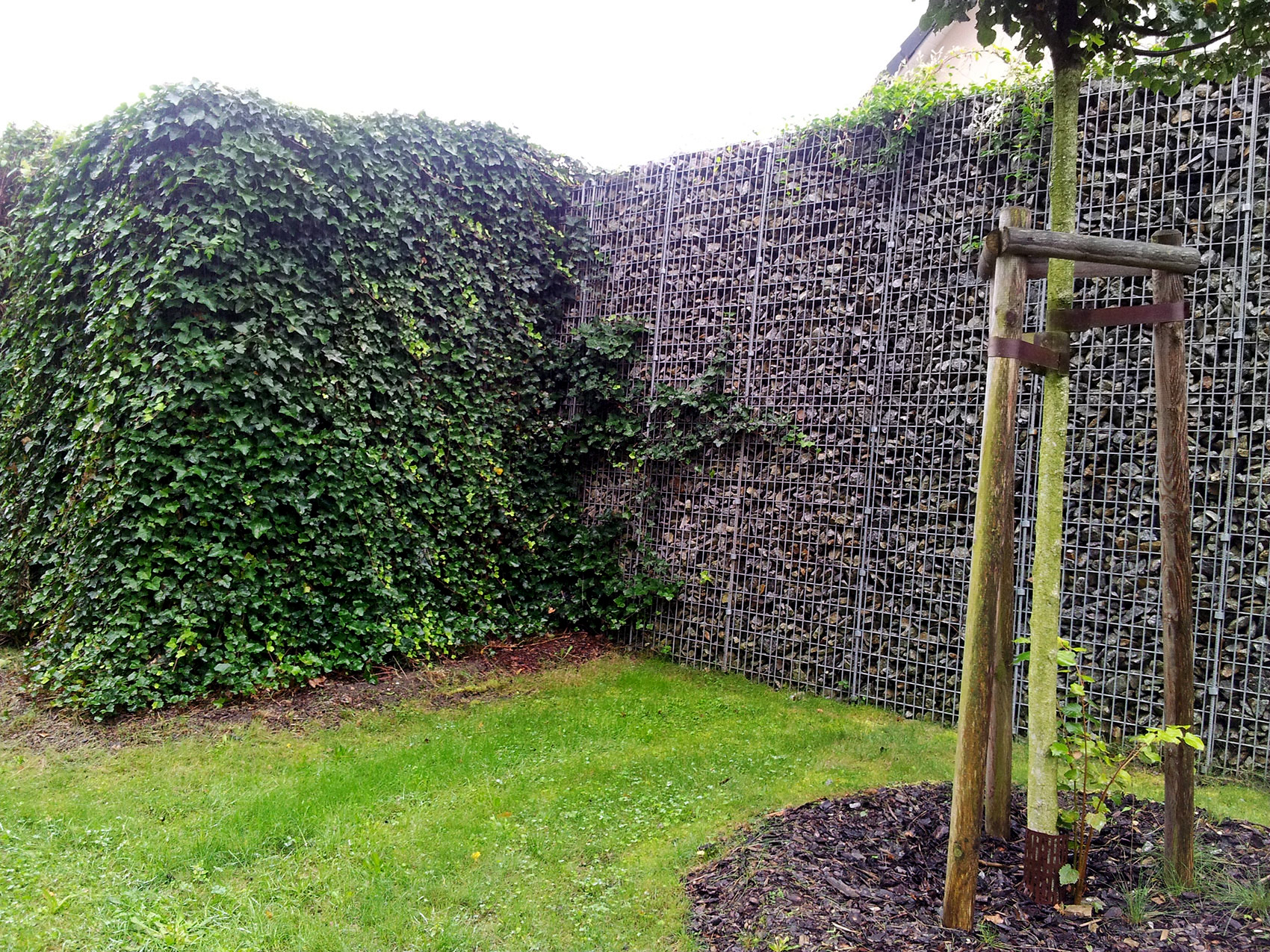
Sports facilities are assessed in accordance with the Sports Facility Noise Control Ordinance (18th BImSchV), whose quiet hours restrict the evening and weekend operations of many clubs. As residential development encroaches on sports facilities, training times, league games, and floodlit evenings come under pressure—a constant concern for clubs and local governments. Green, highly absorbent noise barriers between the playing field and the neighborhood reduce noise levels at the relevant measurement points, thereby improving the conditions for maintaining operating hours. The vegetation traps fine particulate matter, requires no irrigation, and gives the field a green border. From our base in Kaufbeuren, we provide planning, bid documents, installation, and maintenance—all from a single source—for both municipalities and clubs.
Rest periods, spectators, night games—ensuring smooth game operations
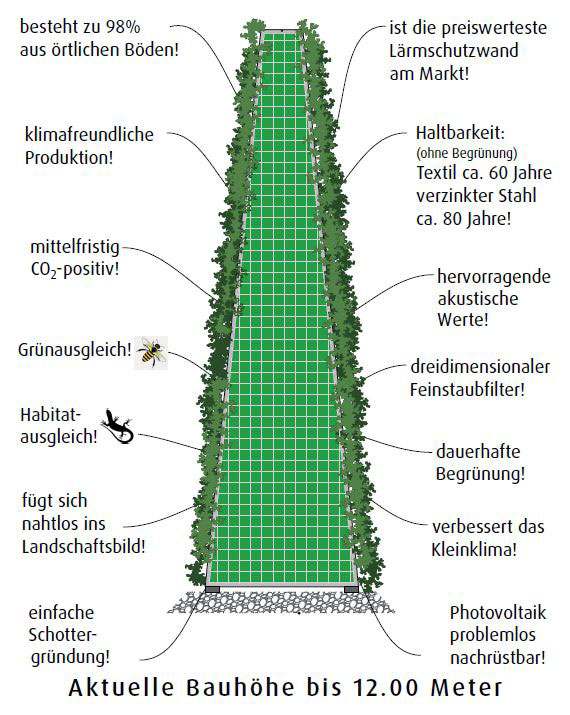
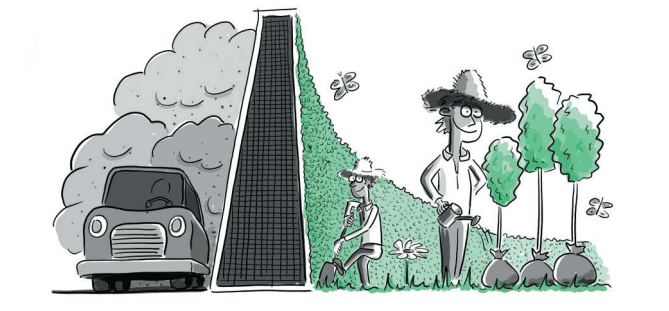
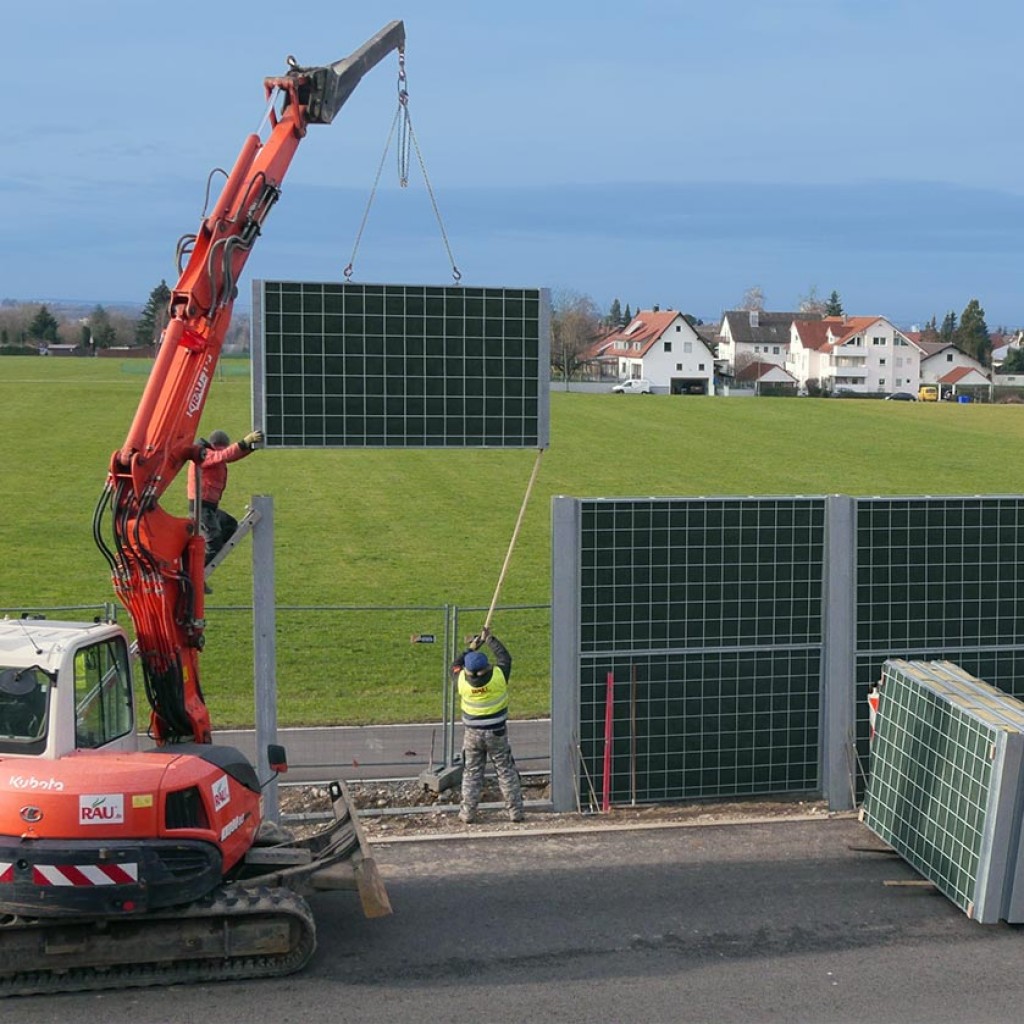
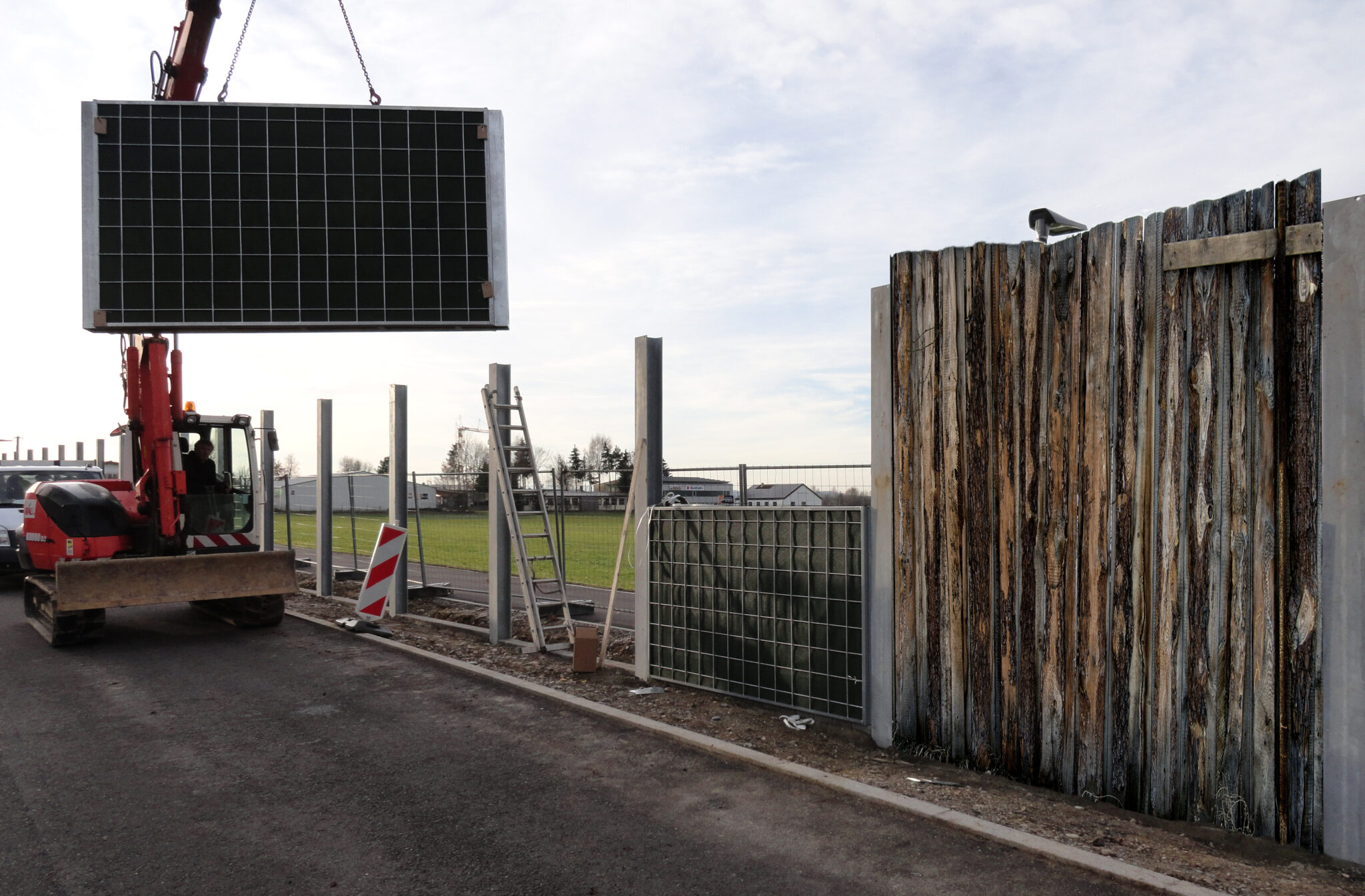
Peak noise levels from goal celebrations, whistles, and shouts have a greater impact on the evaluation of sports facilities than the average noise level, and the quiet hours specified in the Sports Facility Noise Protection Ordinance set strict limits on evening practices and weekend games. Walls between the edge of the playing field, the spectator area, and residential buildings interrupt the direct propagation of sound where conflicts arise—at the stands, the benches, and behind the goals. We tailor the heights and alignment of the walls to the playing field, ball-catch fences, and spectator pathways; the wall can be combined with ball-catching systems used in sports facility construction without losing its soundproofing function. A green sound barrier simultaneously frames the field with vegetation and reduces the facility’s industrial appearance, which often exacerbates resistance from the neighborhood. The highly absorbent construction prevents sound reflections back onto the playing field. For municipal sports facilities, we provide tender documents and construction plans; we support clubs by supplying materials for committee meetings, sports associations, and the city council, ensuring the project is presented in a way that’s ready for decision-making. If necessary, we divide the project into construction phases so that the club can spread the costs over several fiscal years and maintain continuous play operations.
Maintenance, Volunteer Work, and Long Service Life
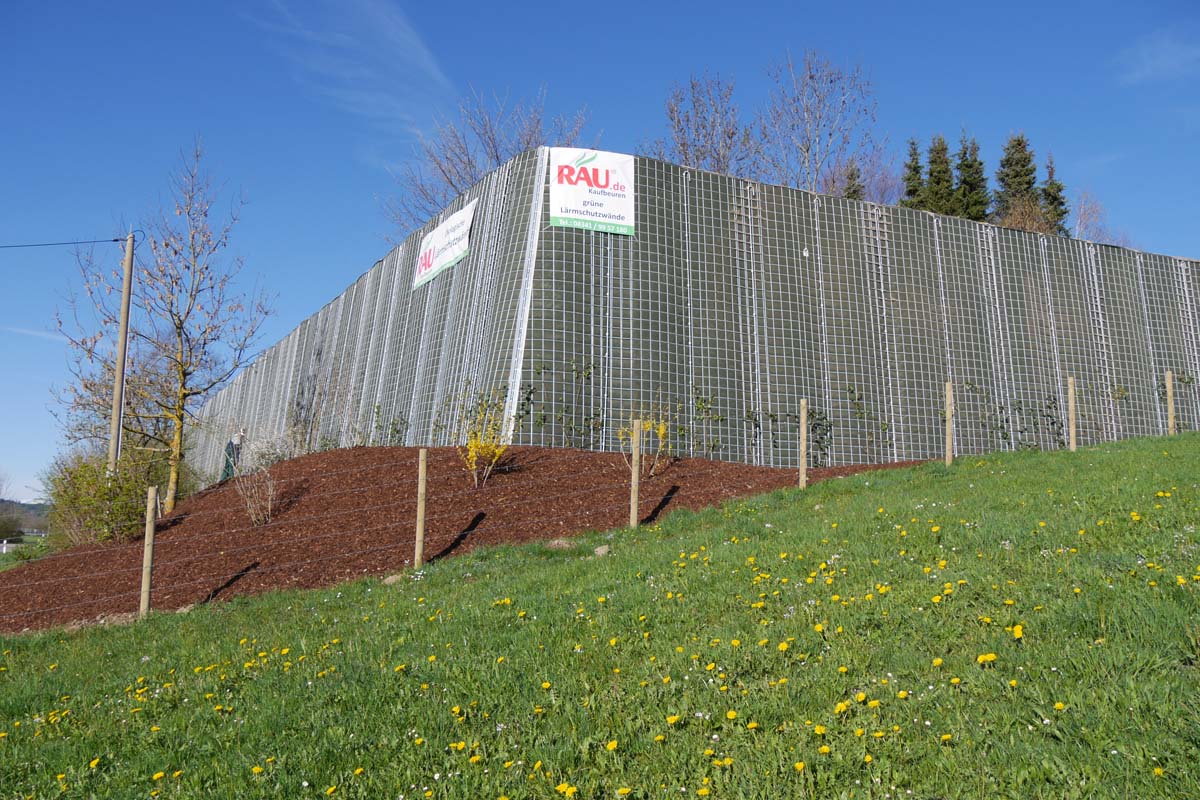
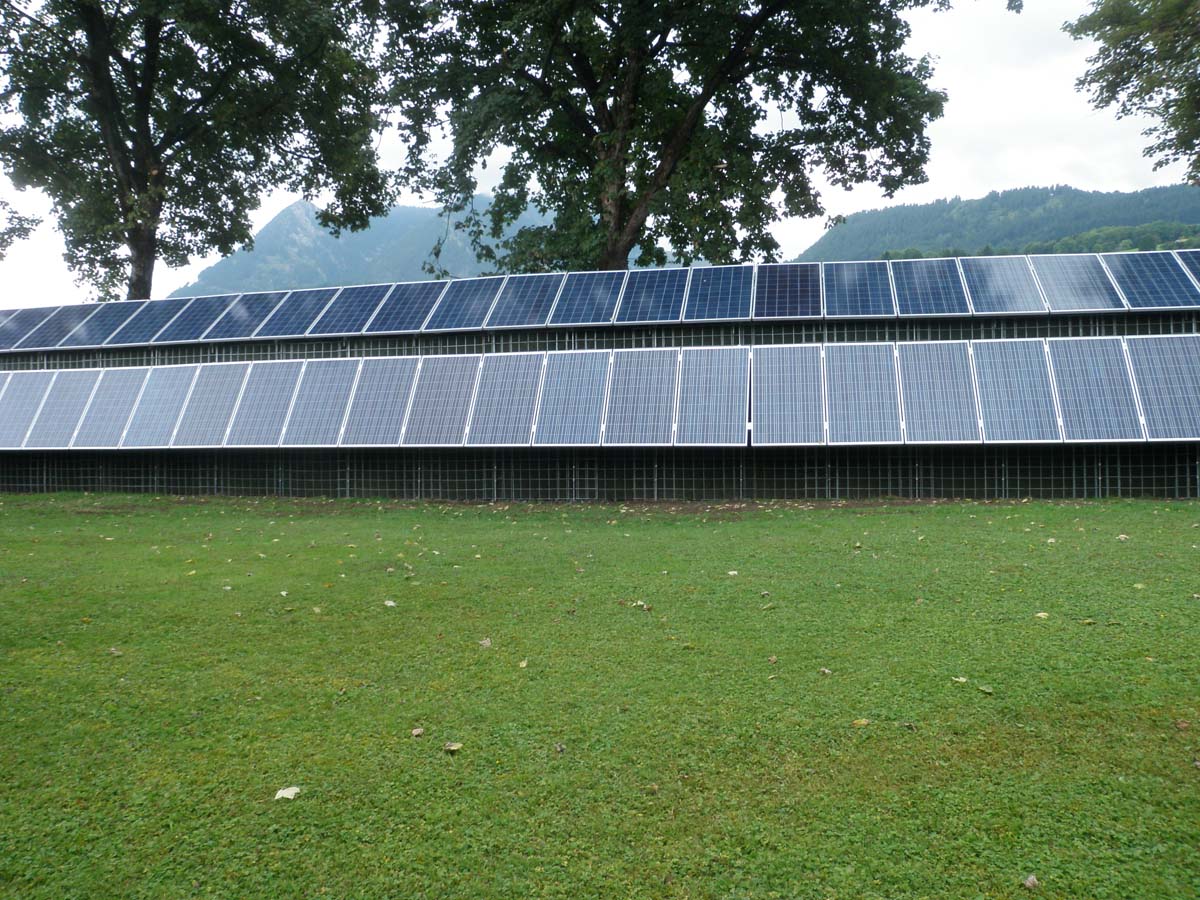
Club facilities rely on volunteer work, and every facility that requires ongoing care competes with training, game operations, and field maintenance for limited time. Our low-maintenance systems are therefore deliberately designed to require minimal care and upkeep; the vegetation at the base of the walls is sustained by natural rainfall, eliminating the need for irrigation entirely. We’ll clarify which checks are still advisable and how maintenance can be organized during the handover; upon request, our customer service department can handle annual maintenance visits with its own service teams. The systems are typically filled with locally sourced soil and mineral raw materials, which makes the structure dimensionally stable and durable—even when exposed to ball contact and outdoor weather conditions. Municipalities with climate goals rely on the RAU Klimawand R3, whose Climate Handprint is backed by KlimAktiv-certified CO₂ accounting. On compact sports fields, RAU Rock Extensiv, with a minimum width of 13 cm, creates the path between the edge of the playing field and the property line. We incorporate access points for maintenance equipment and emergency escape routes into the wall design from the very beginning.


