
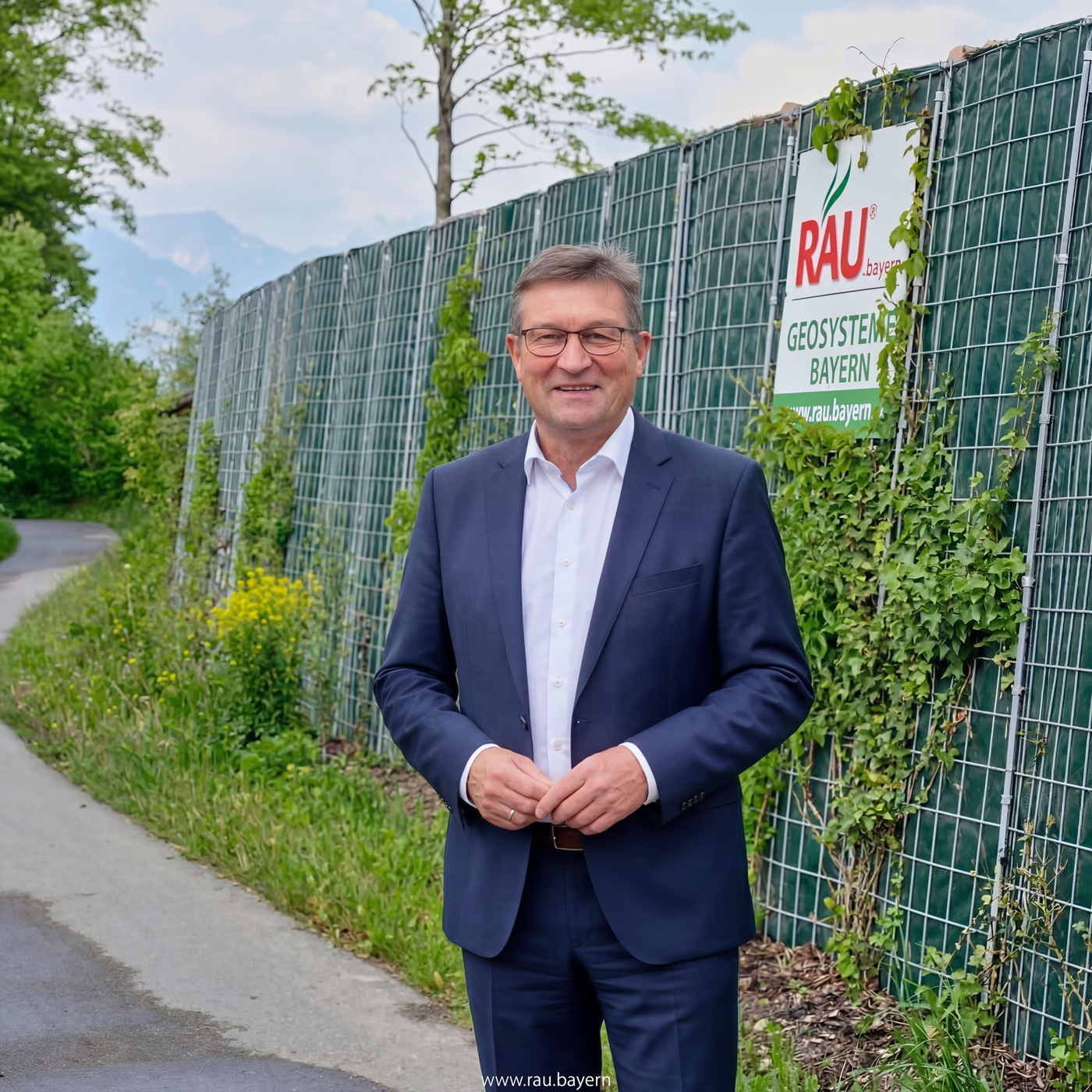
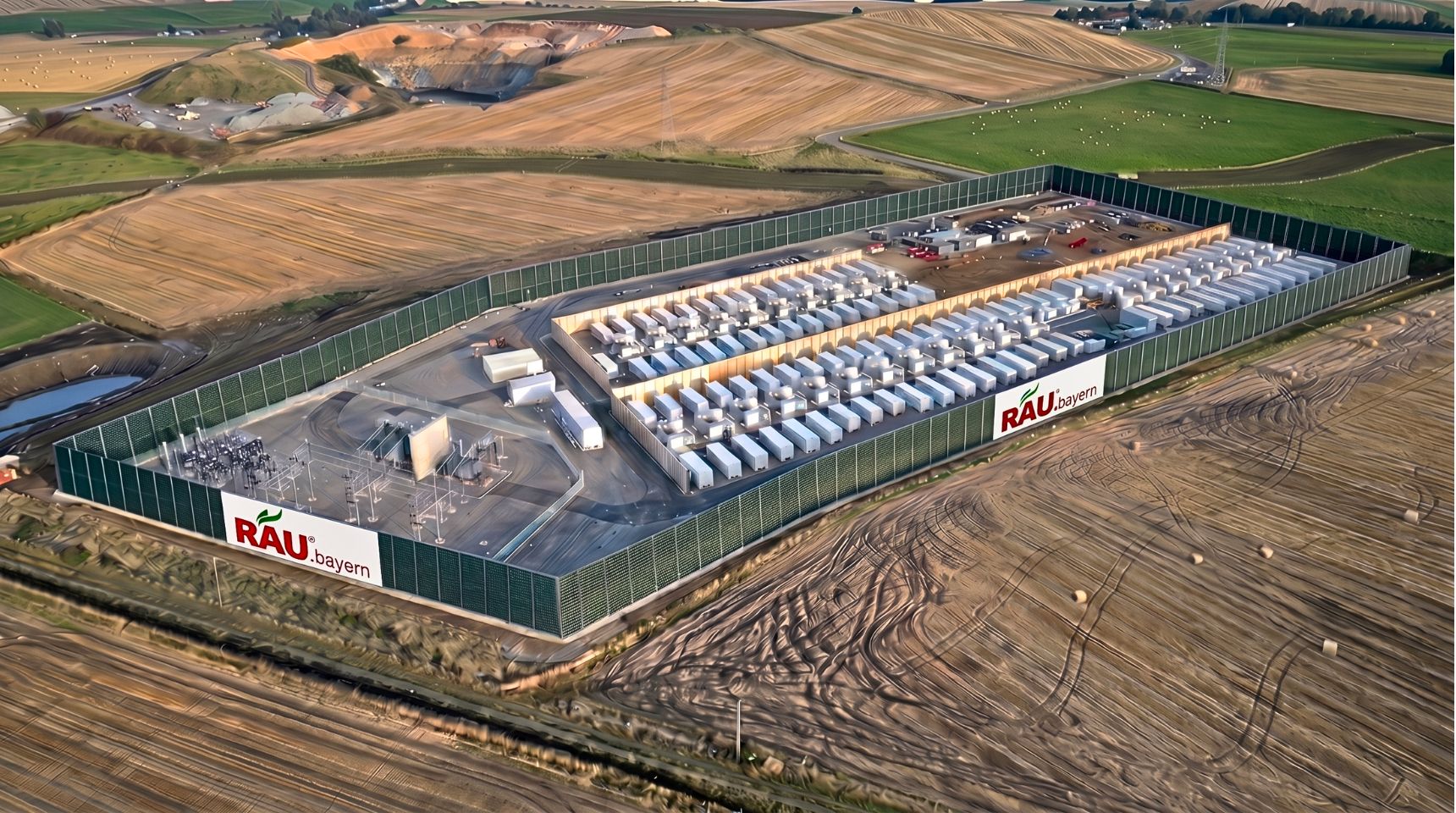
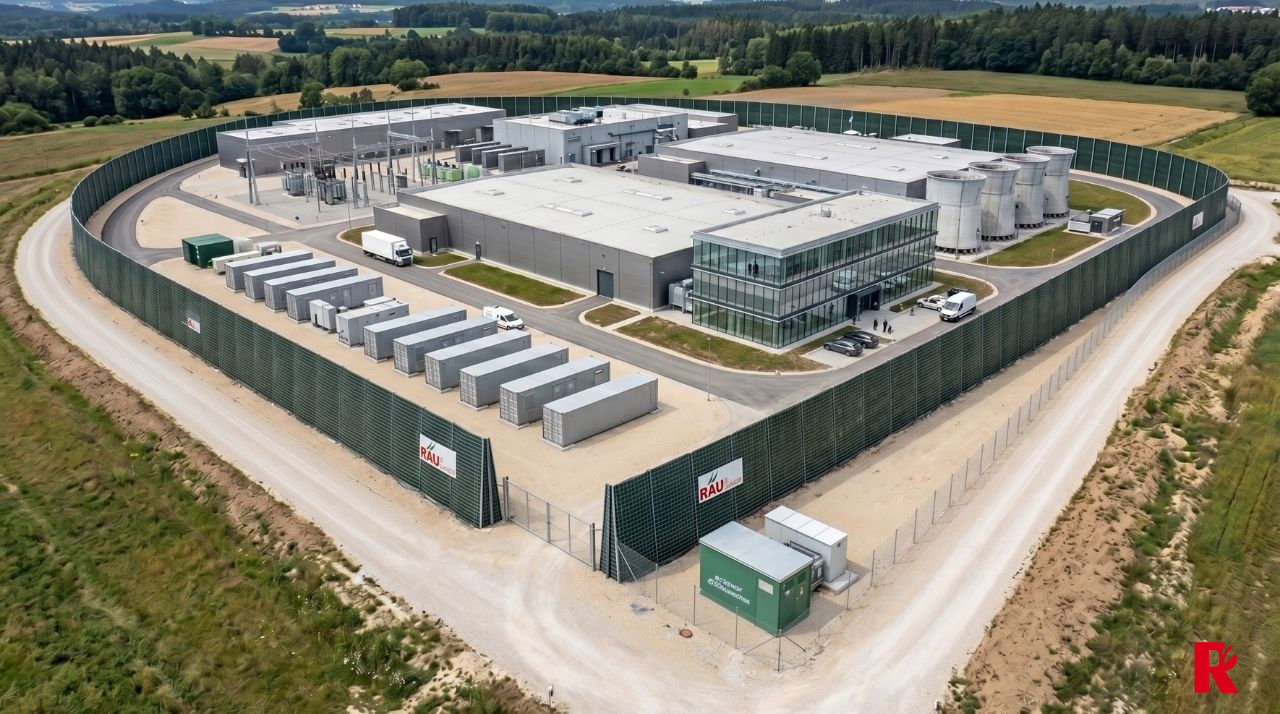
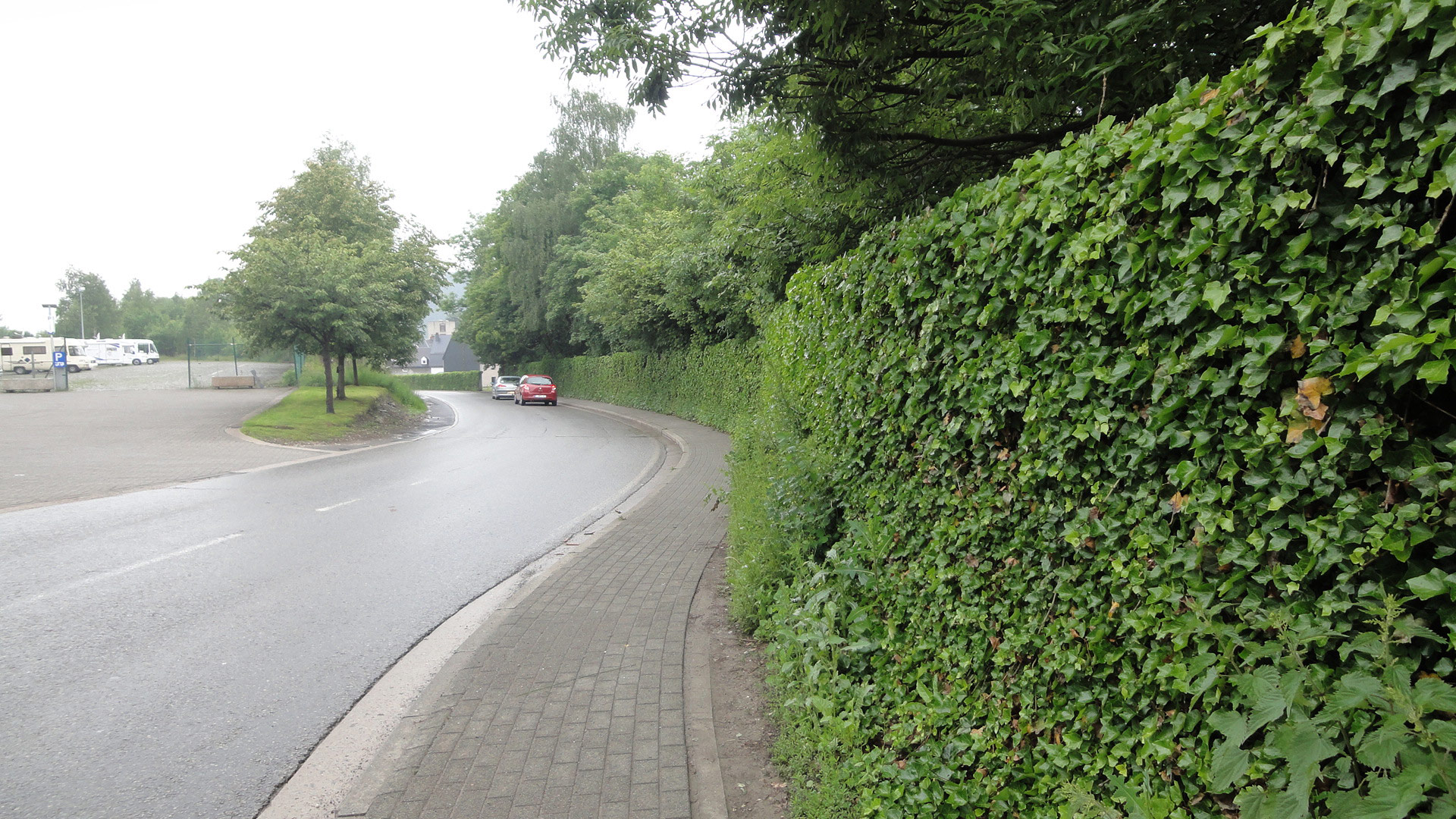
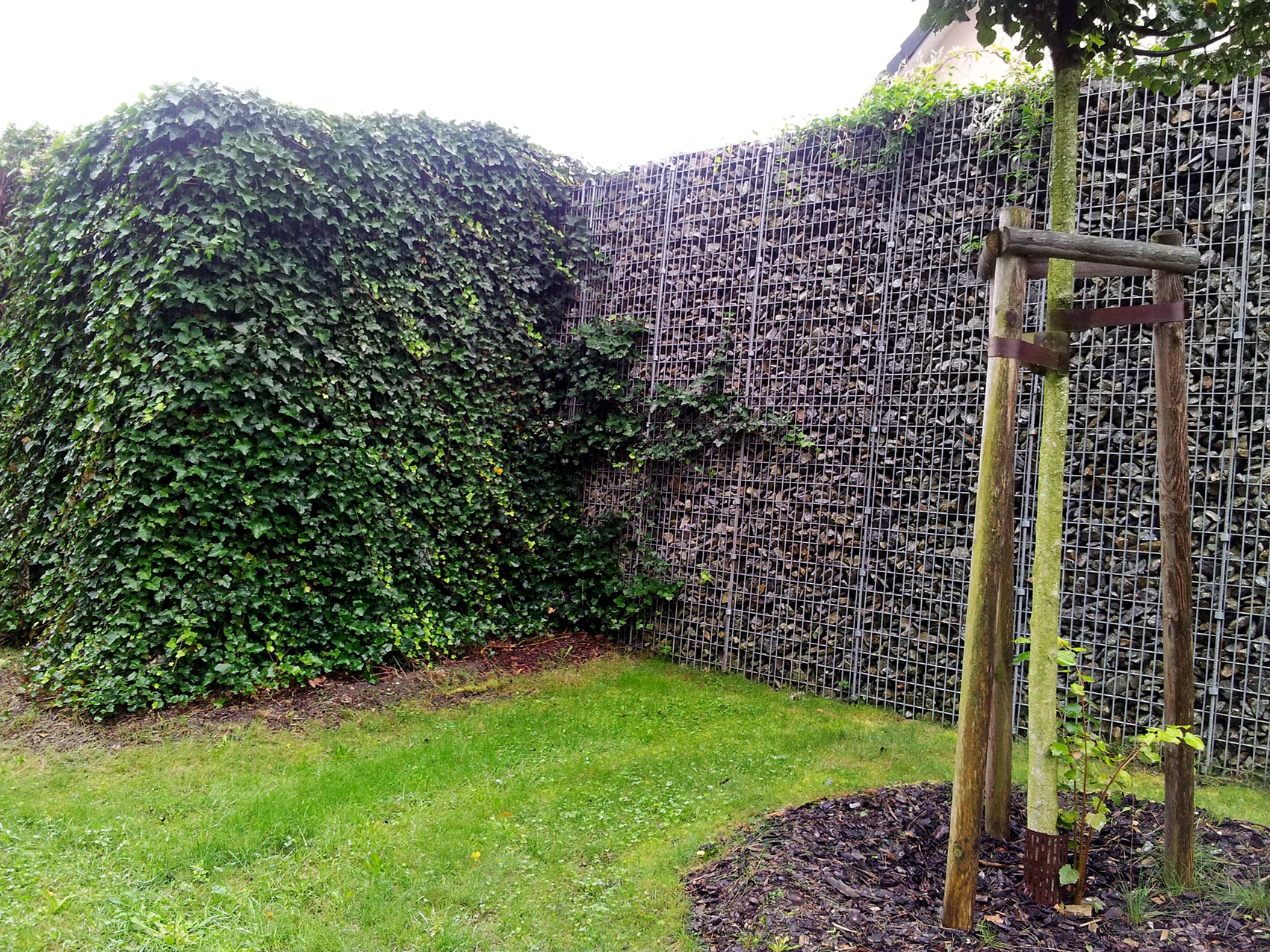
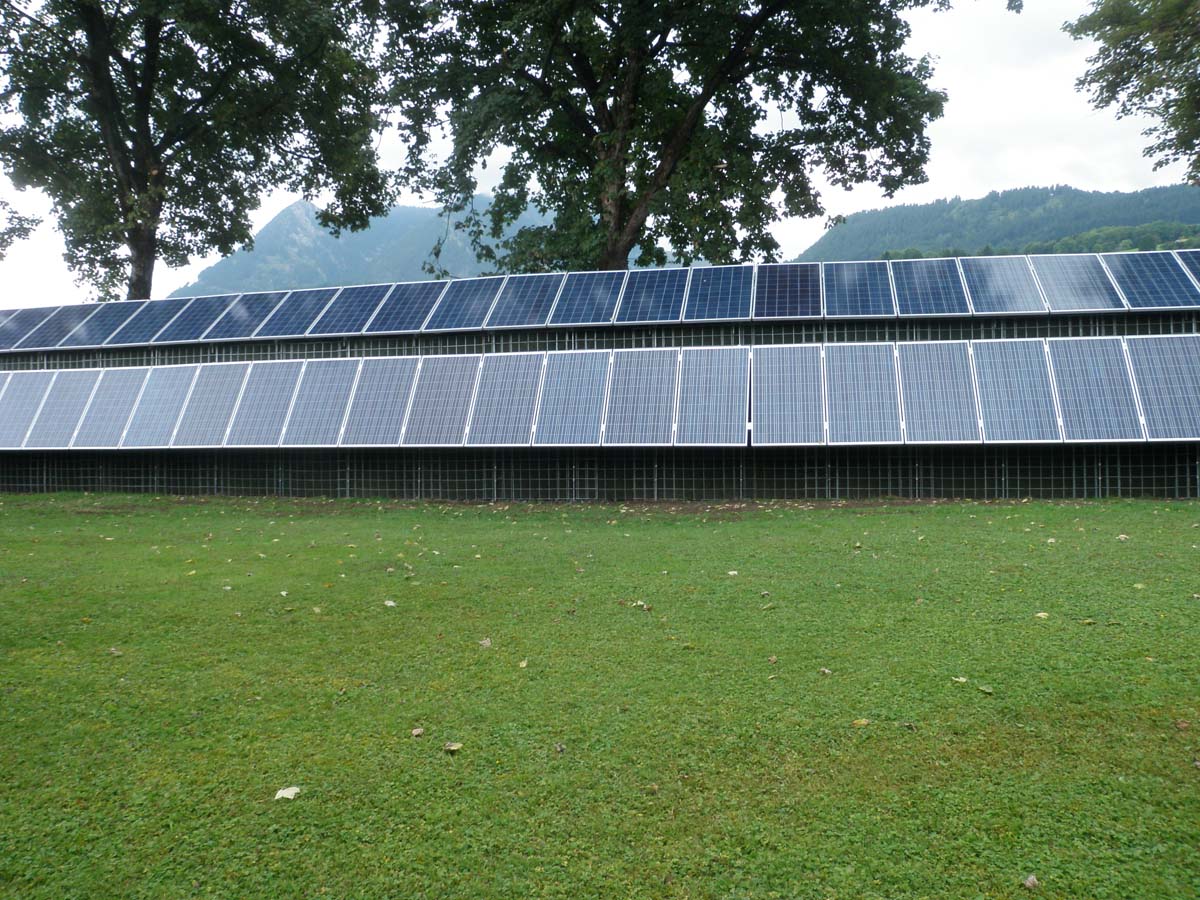
The expansion of AI data centers involves high-performance cooling and power systems, whose constant noise is a concern for both regulatory agencies and local residents alike. Recoolers, transformers, and current transformers run around the clock and shape the noise profile of a site far beyond its property lines. Our noise protection solutions for AI data centers shield these very sources—using highly absorbent, green wall systems that absorb sound rather than reflecting it onto neighboring buildings. The greenery traps fine dust, requires no irrigation, and improves the integration of large technical areas into the surrounding environment. We design, manufacture, and install the systems from our base in Kaufbeuren and subsequently maintain them with our own service teams.
Targeted Sound Isolation for Noise Sources at the Data Center
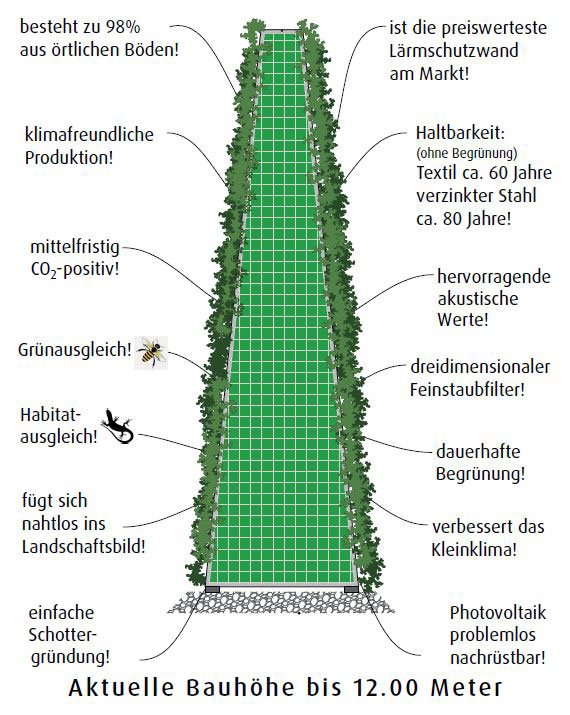
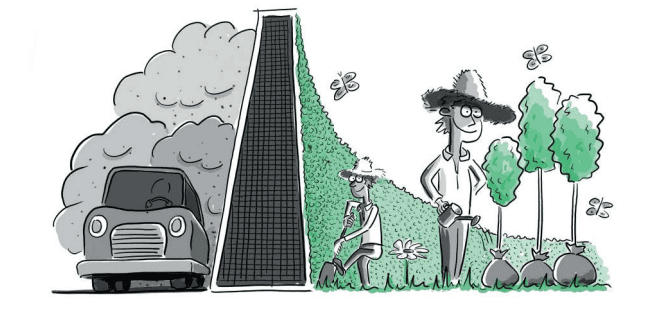
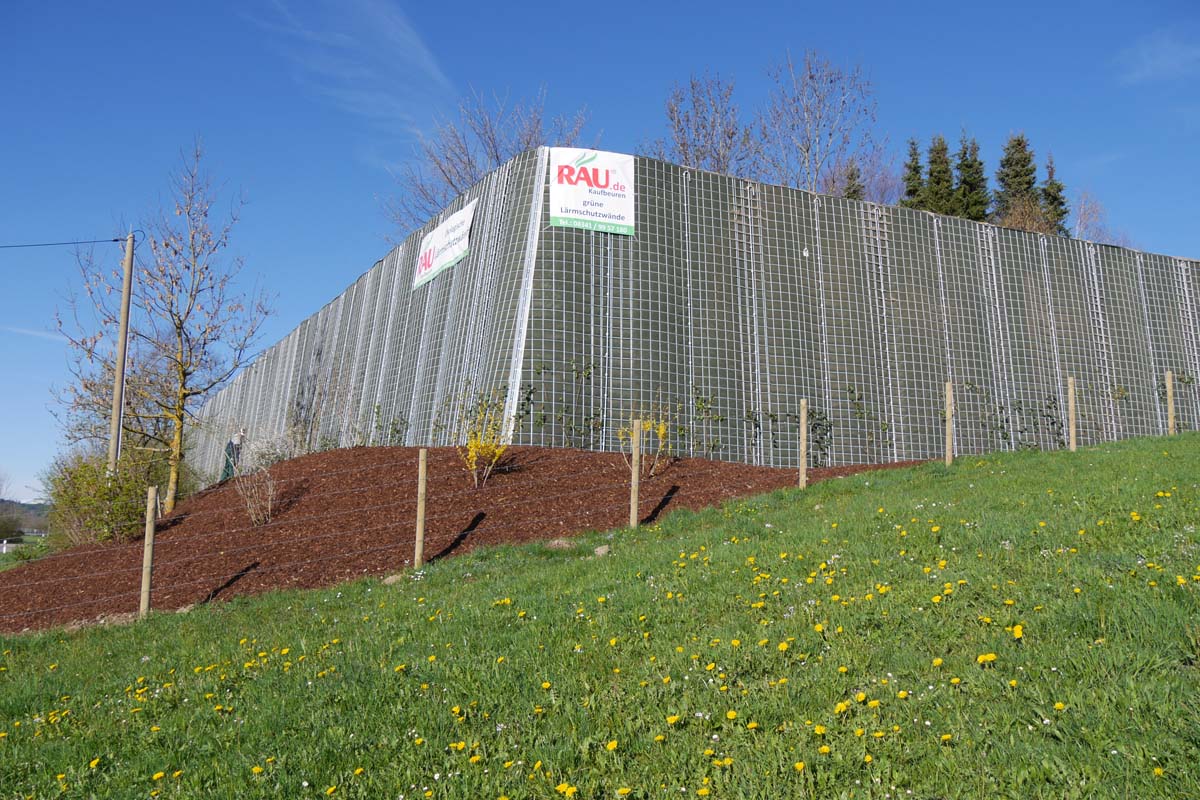
Open-air cooling towers, transformer stations at the feed-in point, and current transformers along the supply lines generate a broad, continuous noise spectrum. Unlike commercial sources that are limited to daytime hours, the nighttime value specified in the TA Lärm (Technical Instructions on Noise) applies to data centers because cooling operations do not pause. We therefore position wall systems as close as possible to the source, where a given wall height achieves the greatest sound-shielding effect. At the same time, our highly absorbent structures prevent sound from building up between building facades, containers, and technical structures. Our green noise barriers for AI data centers combine this acoustic function with a visible ecological enhancement of the site—an argument that regularly makes the difference in public consultations and zoning plan proceedings. The systems are typically filled with soil and mineral raw materials sourced locally, ensuring that the walls maintain their volume and are durable. We provide operators and general contractors with tender documents, construction drawings, and planting plans—all from a single source—tailored to the data center’s construction schedule. Future expansion phases of the campus can also be incorporated into the wall design from the very beginning.
Planning Certainty for Sites with Continuous Operation
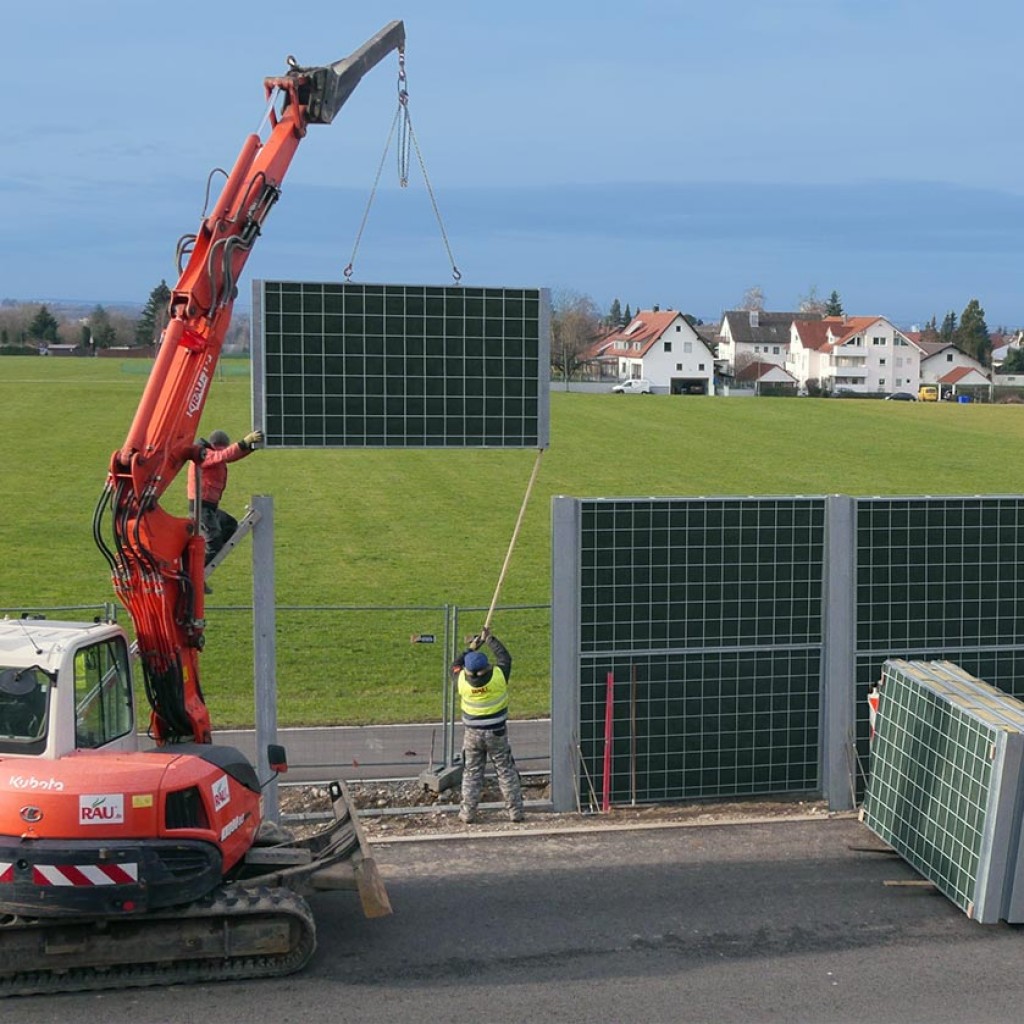
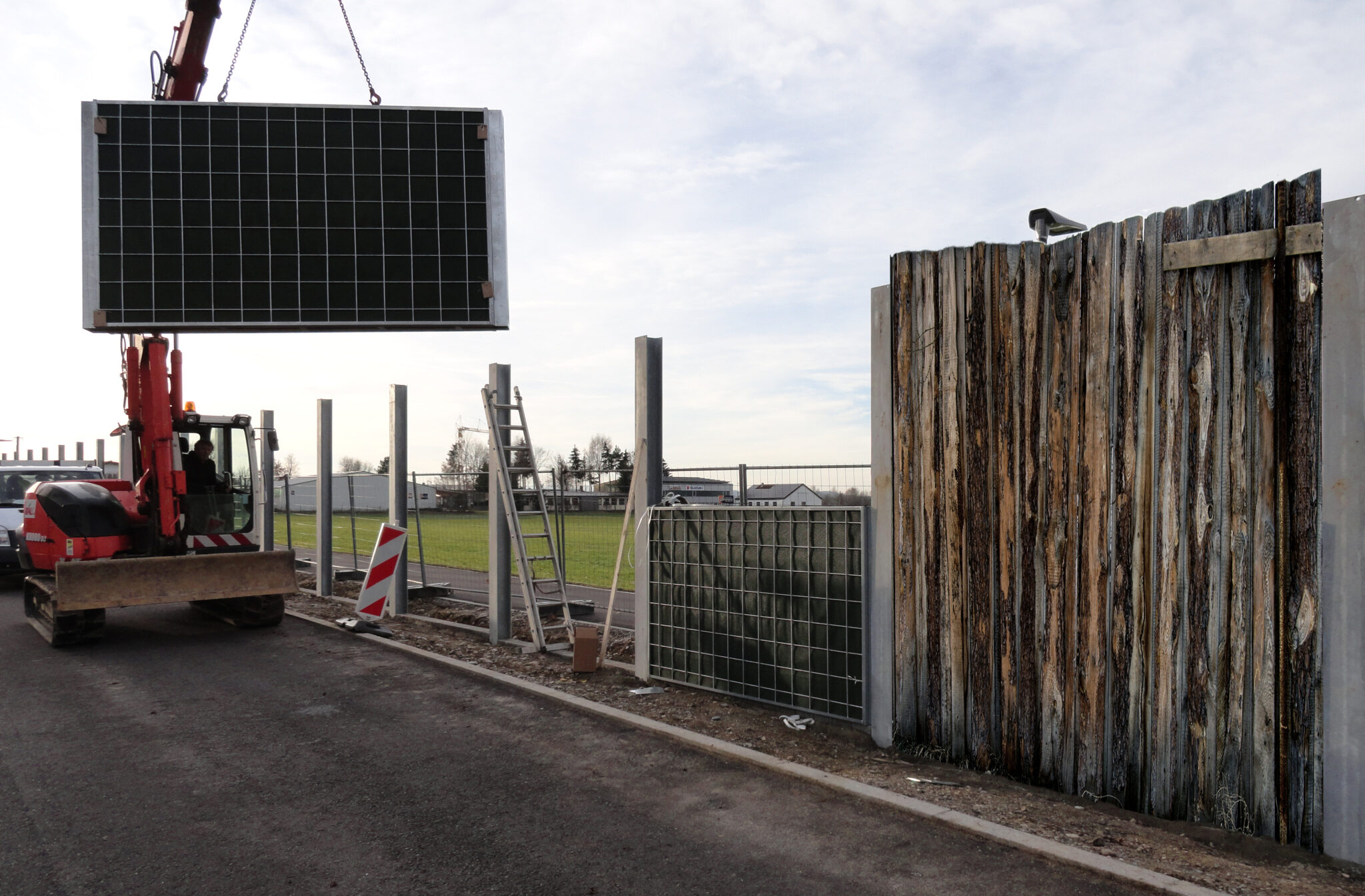
Technical areas in data centers are densely packed, and every conduit, cable route, and access path limits the possible wall locations. Our systems can be adapted to such constraints; with RAU Rock Extensiv, wall widths as narrow as 13 cm are possible when there is little space between the cooling towers and the property line. Clarifying foundation and load transfer requirements is part of the early project phase, as wind loads and subsoil conditions significantly influence the design—the system page illustrates how the pre-assembled elements of RAU Rock Extensiv are installed between prepared steel beams. For operators required to report on sustainability, the RAU Klimawand R3 provides reliable data; its Climate Handprint demonstrates that emissions from raw materials, production, transportation, and construction are offset by the emissions sequestered by the greenery within a few years; the CO₂ accounting was verified by KlimAktiv. After installation, our service teams take over inspection and maintenance, ensuring that the protective effect and appearance are preserved throughout the system’s operational life and that the site remains acoustically manageable even during future expansions.


