
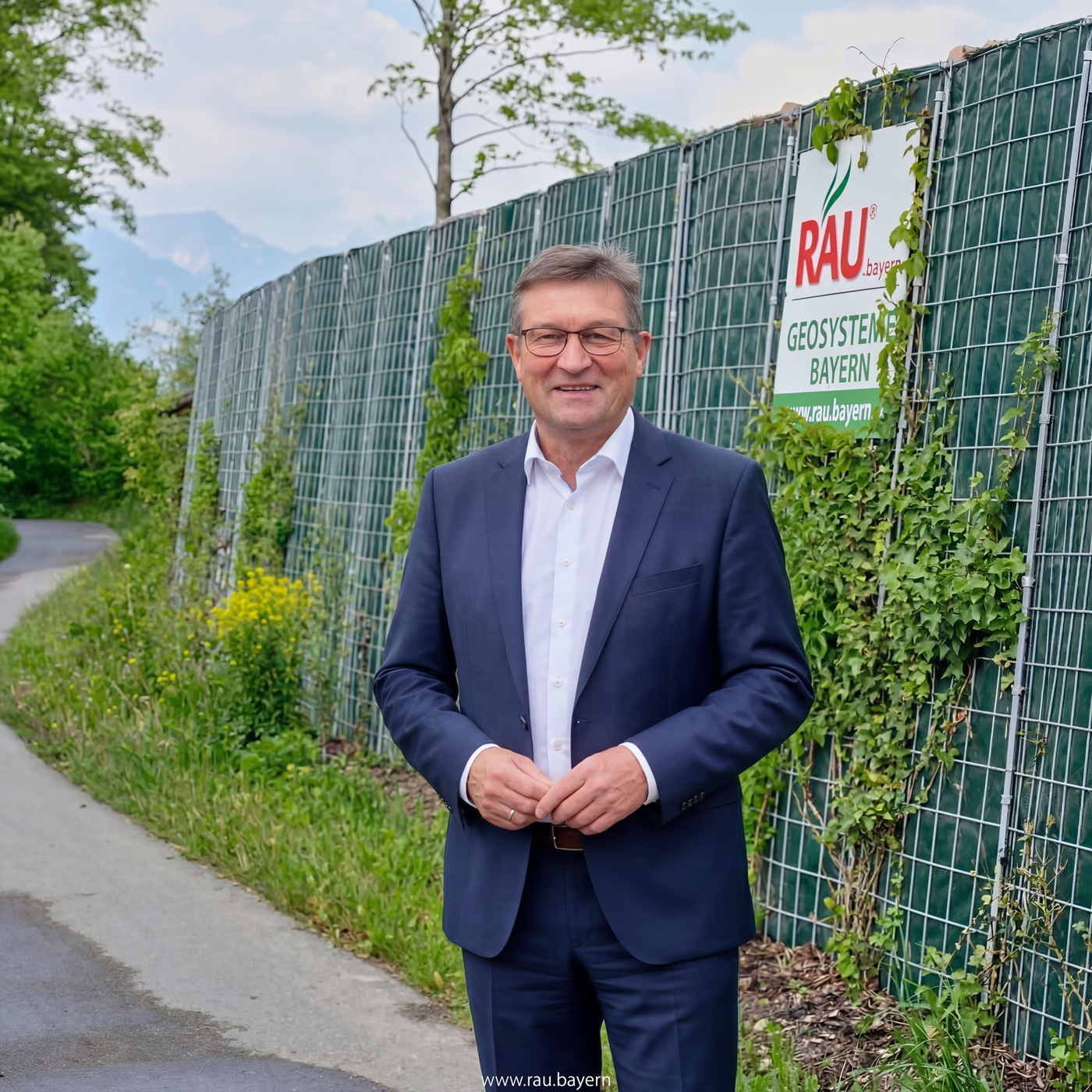
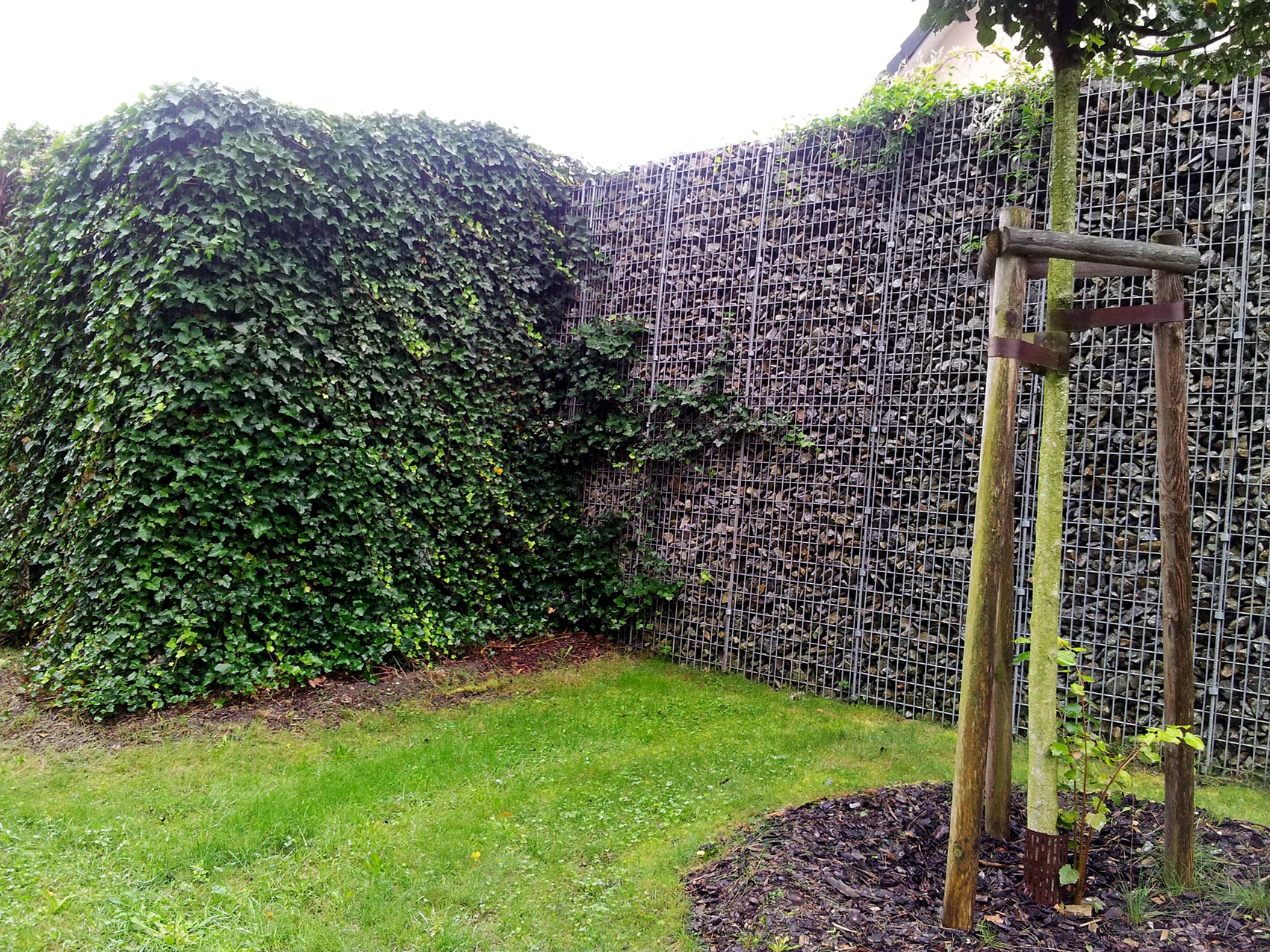
Battery storage facilities are often built near residential areas, industrial parks, or farms—and there they quickly come into conflict with the noise emission limits set forth in the Technical Instructions on Noise (TA Lärm). Cooling units, inverters, and transformers generate continuous noise that must be demonstrably limited during the permitting process. With RAU Bess noise protection systems, we provide highly absorbent, green wall solutions that block sound directly at the source while blending seamlessly into the surrounding environment. The vegetation at the base of the wall requires no irrigation and also helps capture fine particulate matter. From our location in Kaufbeuren, we support project developers, operators, and municipalities from planning through installation to after-sales service with our own service teams.
Why BESS Projects Can Fail Due to Noise Control Issues
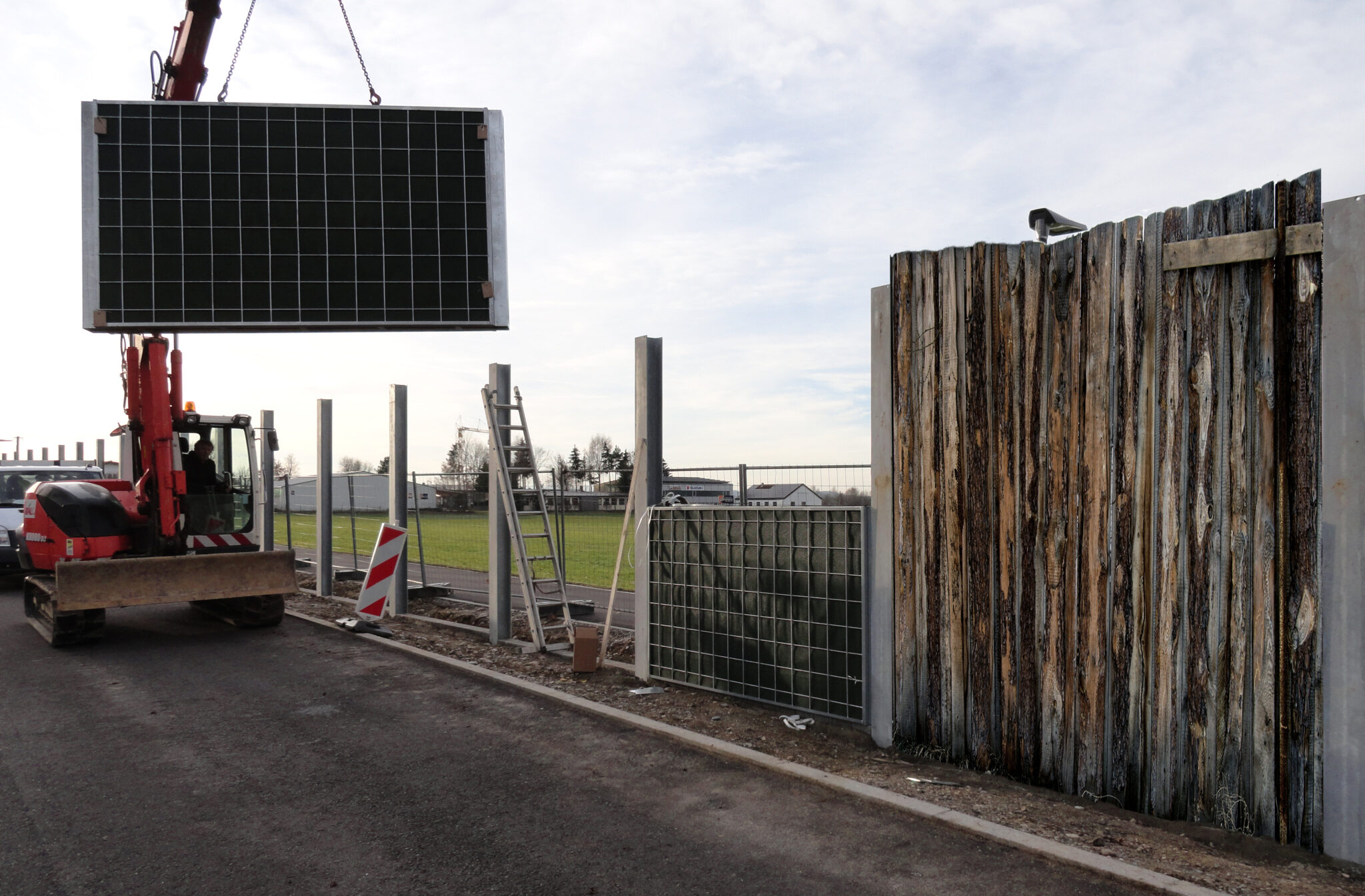
Storage sites are assessed during the permitting process against the noise exposure limits set forth in the Technical Instructions on Noise (TA Lärm), and nighttime operations in particular determine the feasibility of many projects. The fans and cooling systems in the containers continue to operate at night, when the permissible noise levels at the nearest residential area are significantly lower than during the day. An acoustic analysis for noise barriers identifies early on which locations will be particularly challenging in terms of noise levels and determines the wall heights and lengths that are actually required. Based on this, we design RAU Bess noise barrier systems so that the sound-blocking effect is directed exactly where it is needed. Our highly absorbent wall systems prevent reflections onto neighboring properties—a benefit that reflective structures made of concrete or glass cannot provide. During the planning phase, we provide tender documents, construction drawings, and landscaping plans all from a single source, enabling project planners to include noise protection as a finalized component in the building permit application. This streamlines coordination with authorities, reduces the likelihood of additional requirements during the process, and keeps the grid connection schedule free of acoustic surprises. As a result, the storage facility remains on the safe side even if the surrounding area is densified at a later date.
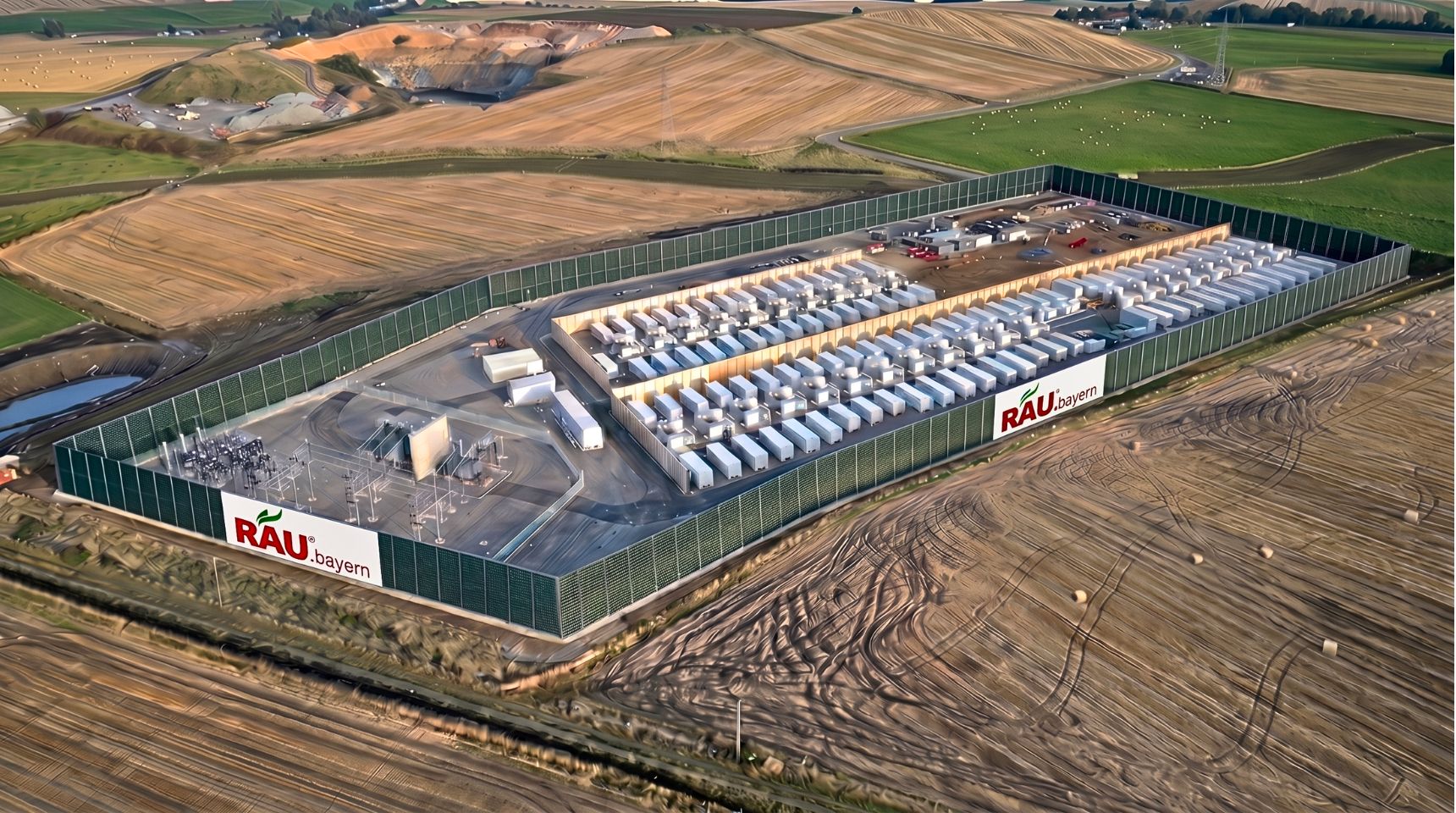
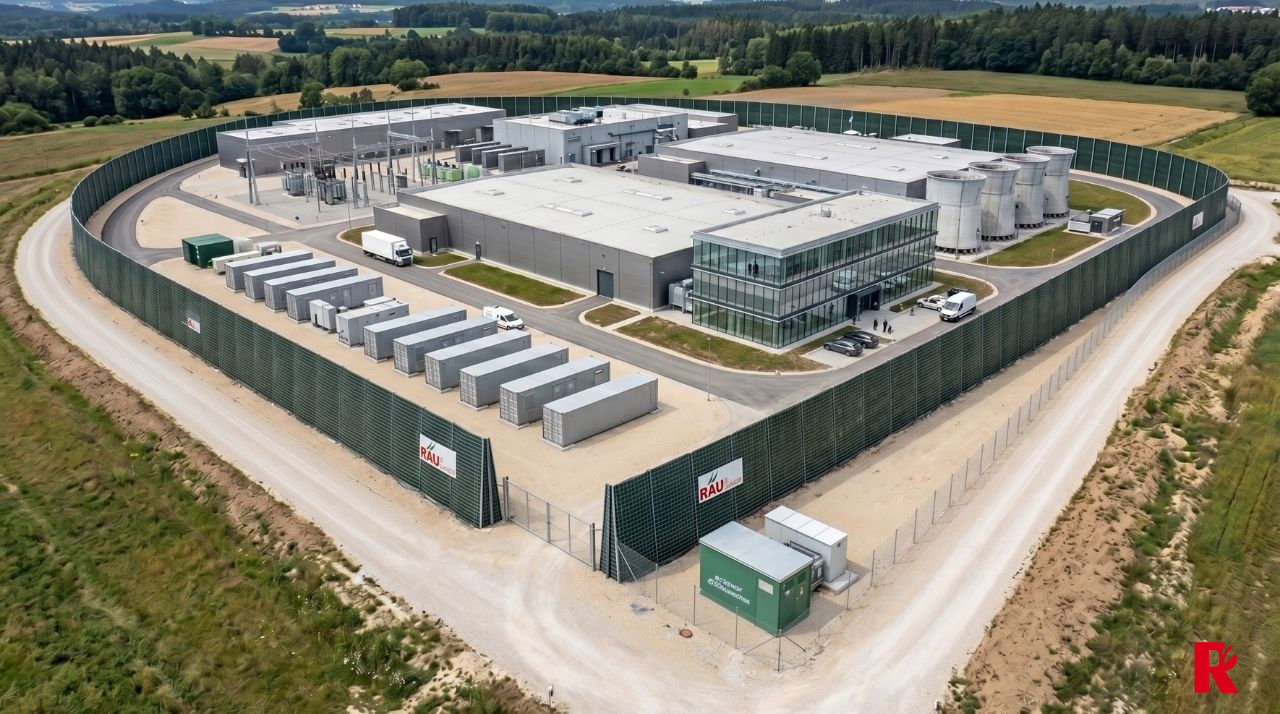
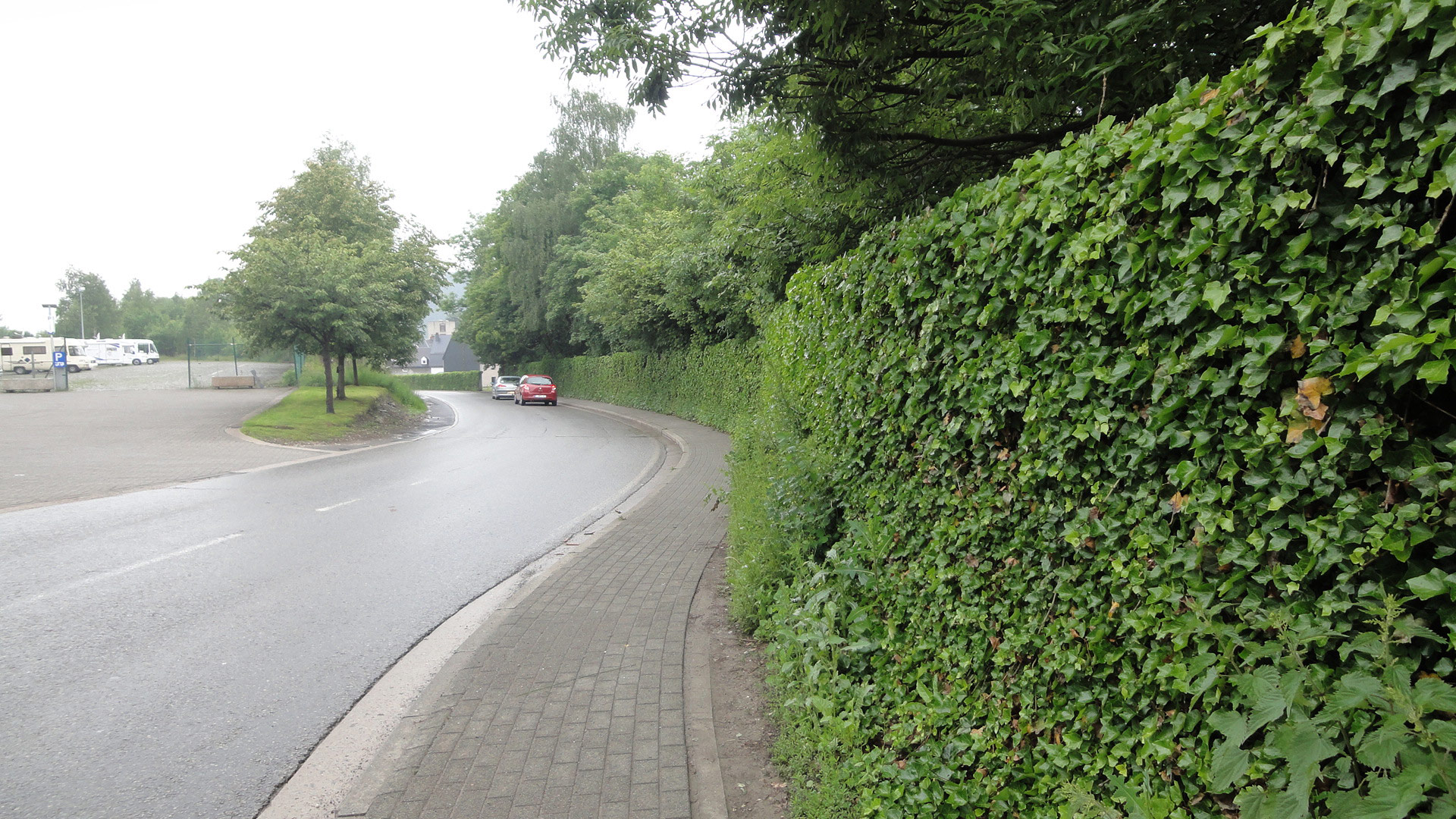
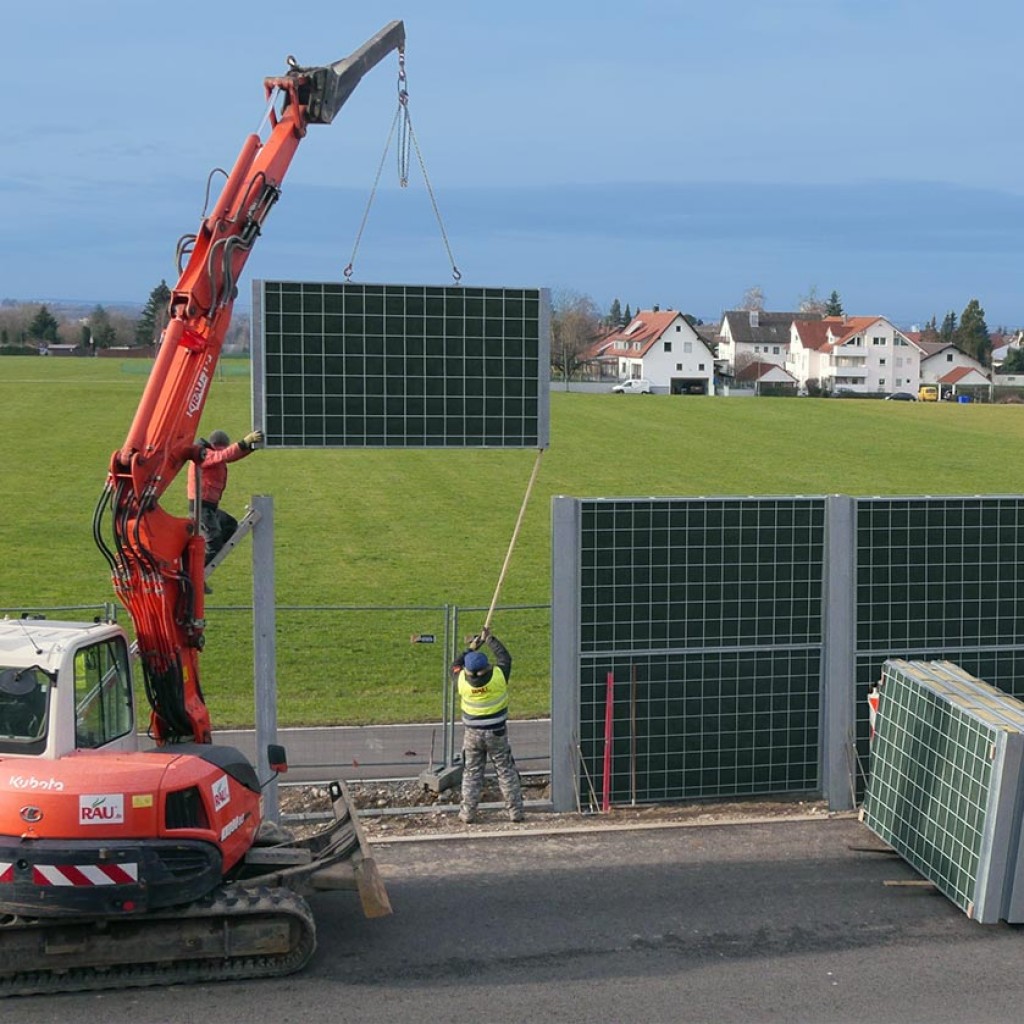
Green noise barriers that complement the energy project
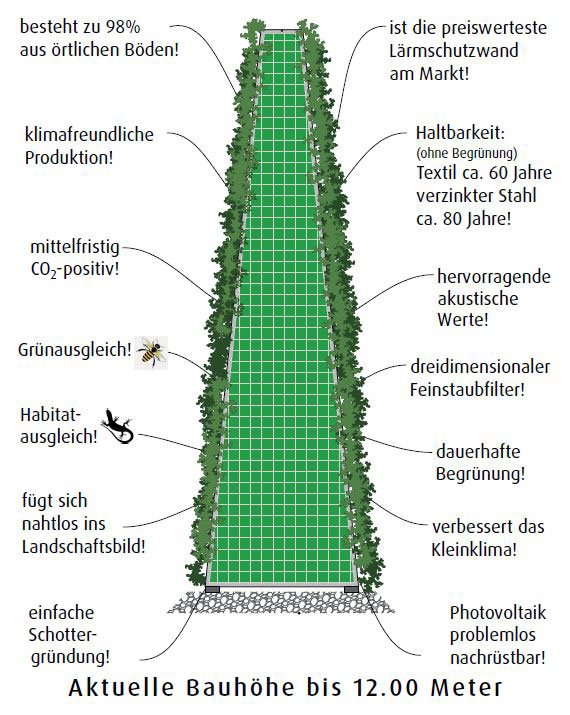
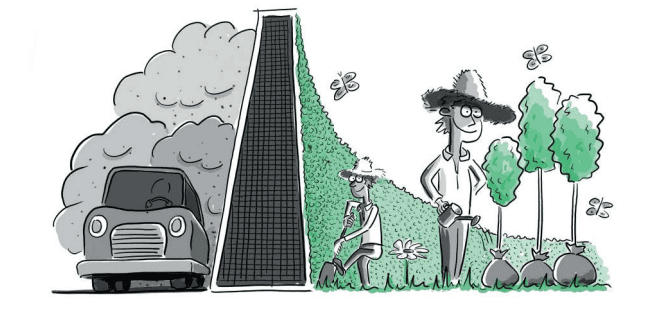
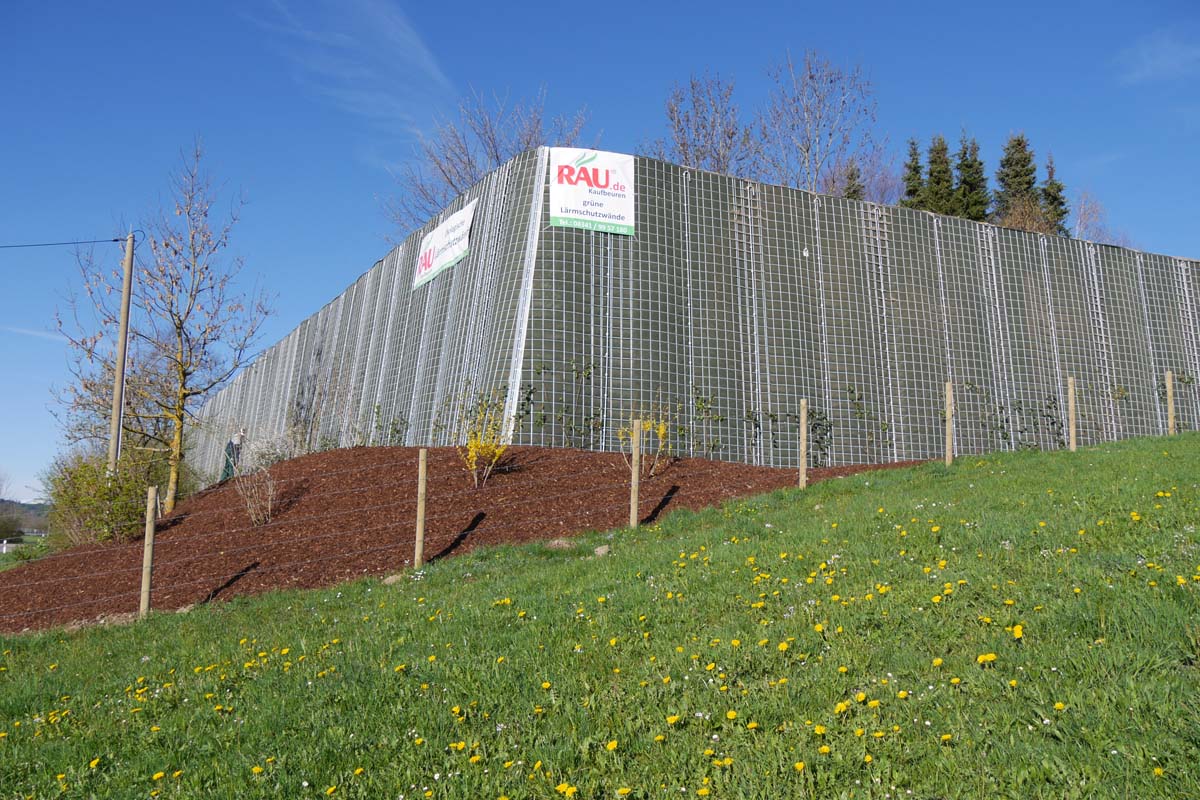
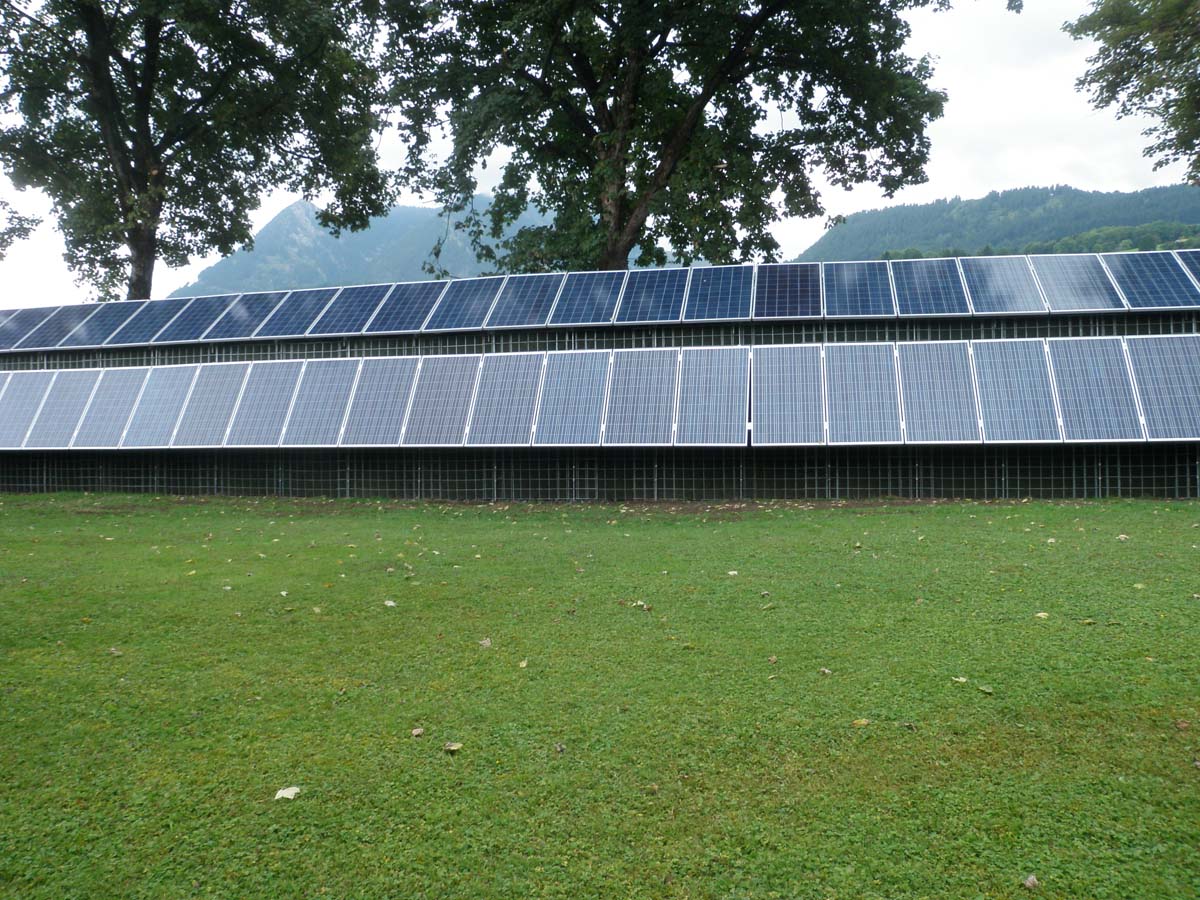
Battery storage systems are central to the energy transition, and noise protection should not undermine this goal. Our green wall systems are typically filled with locally sourced soil and mineral raw materials, which reduces transportation and makes the structure dimensionally stable and durable. A Climate Handprint is available for the RAU Klimawand R3—emissions from raw materials, production, transportation, and construction will be offset by the emissions sequestered by the vegetation within a few years, as verified by KlimAktiv as part of its CO2 accounting process. Planting takes place at the base of the wall and utilizes natural precipitation, eliminating the need for irrigation systems permanently. Where absorption requirements are particularly high—such as between rows of containers or at grid interconnection points—we rely on the highly absorbent RAU Bess noise barrier systems from our modular system. Operators decide whether we install the system completely or deliver it as a kit for a specialized contractor. Upon completion, our service teams can, upon request, take over the monitoring and maintenance of the system to ensure that its effectiveness and appearance are preserved throughout its entire service life.


