
A robust overall concept protects processes and makes coordination easier. For projects with a connection to Aichach, it is worth taking an early look at the boundary conditions, because subsequent corrections generate costs. You will find current redevelopment projects on an ongoing basis. Developers look first at areas and the construction process, local authorities at awarding and acceptance; both are brought together in the process. Late clarifications lead to rescheduling, supplements and additional rounds that put pressure on deadlines and budgets. We provide a comprehensible decision-making logic so that requirements, variants and interfaces remain in line. If construction phases run parallel to operations, temporary noise protection using mobile noise barriers can simplify coordination. A clean alignment of the boundary conditions reduces friction in the project team. For local authorities, it is important that requirements are described in a verifiable manner and that decisions can be explained to the administration and committees. For developers, it is important that land use, outdoor spaces and development are not blocked by late changes. Late clarifications result in rescheduling, supplements and additional rounds of coordination, which put a strain on the budget and deadline. A brief preliminary review separates the must-haves from the options and speeds up the comparison of variants. Depending on the project, a range is often more helpful than fictitious accuracy when plans are still in flux.

Aichach Noise barriers for new and existing buildings
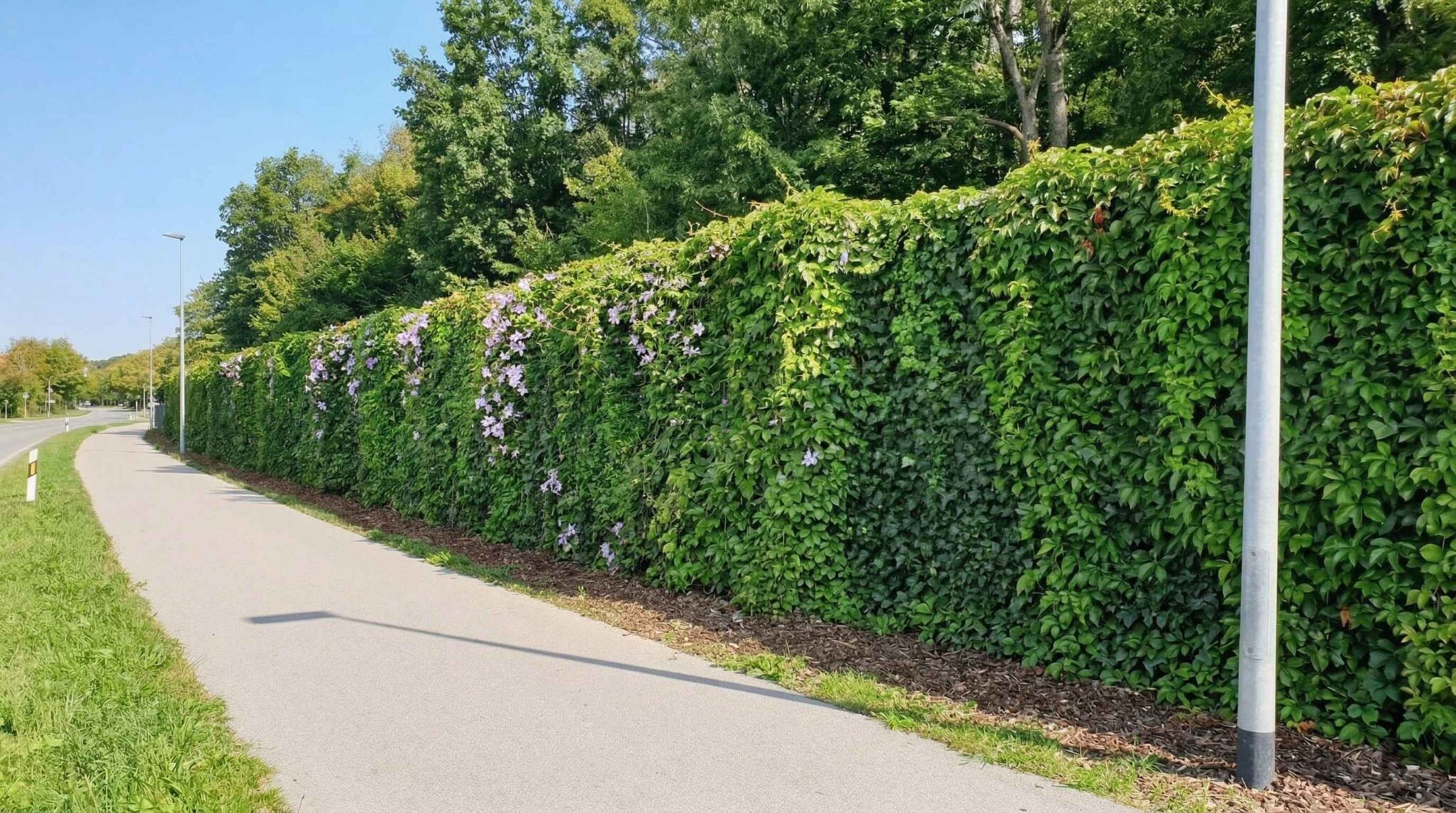
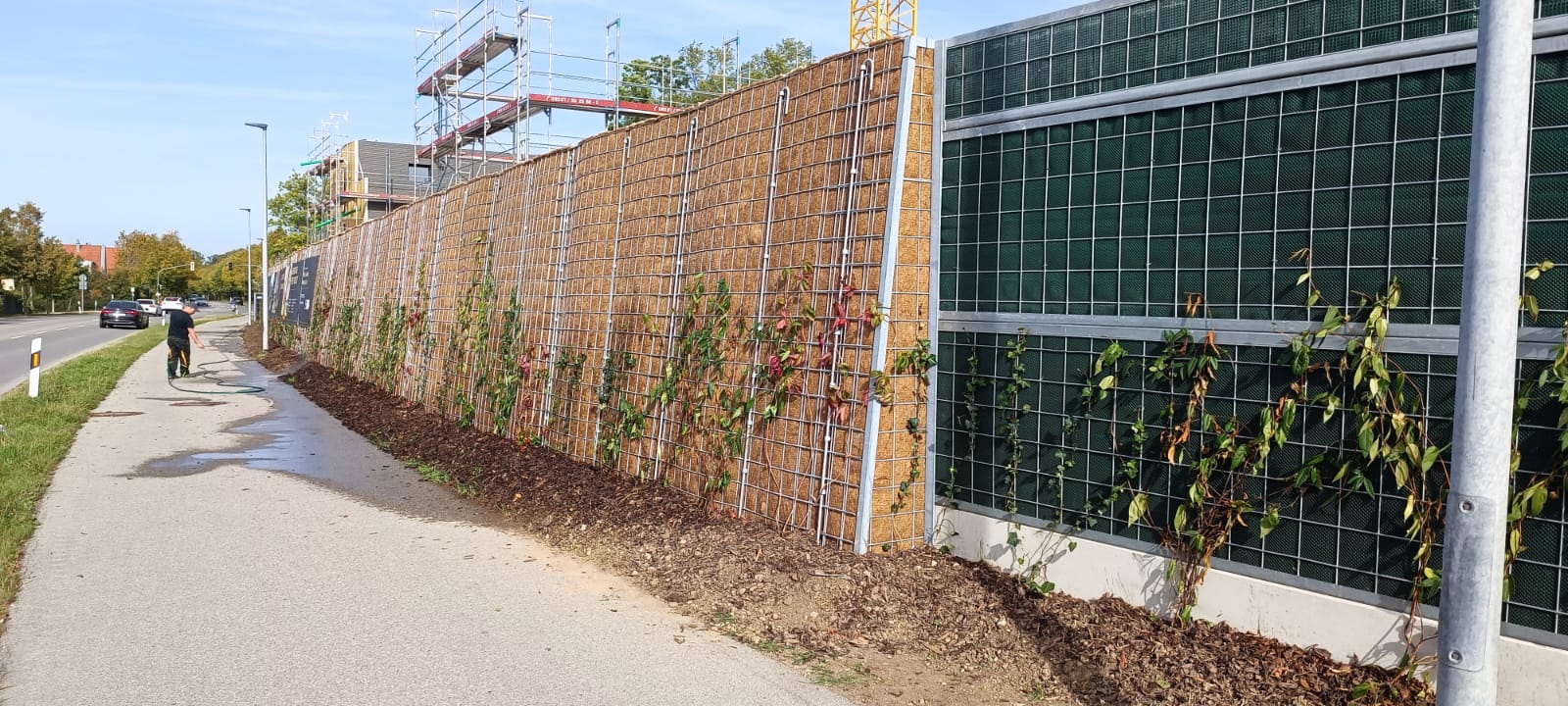
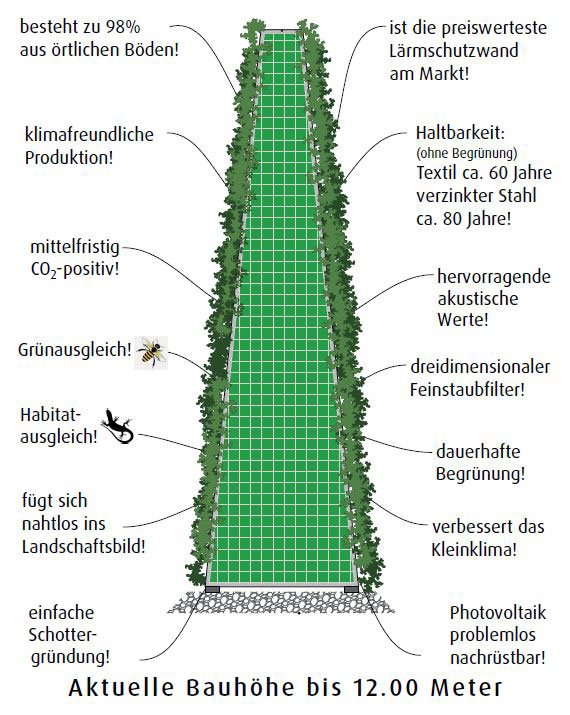
Awarding requires clarity, project development requires usability and speed. When comparing variants, space requirements, appearance, robustness, construction phase and existing buildings quickly lead to different priorities. We structure the choice of system in such a way that the direction taken by the project team remains justifiable and detailed planning does not come to nothing. News is a pragmatic option, especially in the construction phase. We combine planning and consulting with a view to statics, material verification and the subsequent logic for maintenance or servicing. In ecologically oriented projects, we consider systems such as the Klimawand R3 if a green wall logic fits into the comparison of variants. A resilient system direction is created when application limits and maintenance ideas are also considered. For local authorities, it is important that requirements are described in a verifiable manner and that decisions in administration and committees remain explainable. For developers, it is important that land use, outdoor spaces and development are not blocked by late changes. Late clarifications result in rescheduling, addenda and additional rounds of coordination that put a strain on the budget and deadline. A brief preliminary review separates the must-haves from the options and speeds up the comparison of variants. Depending on the project, a range is often more helpful than fictitious accuracy when planning statuses are still in flux. In the Bavarian context, coordination and documentation often run parallel to planning, which is why a clean structure pays off in particular.
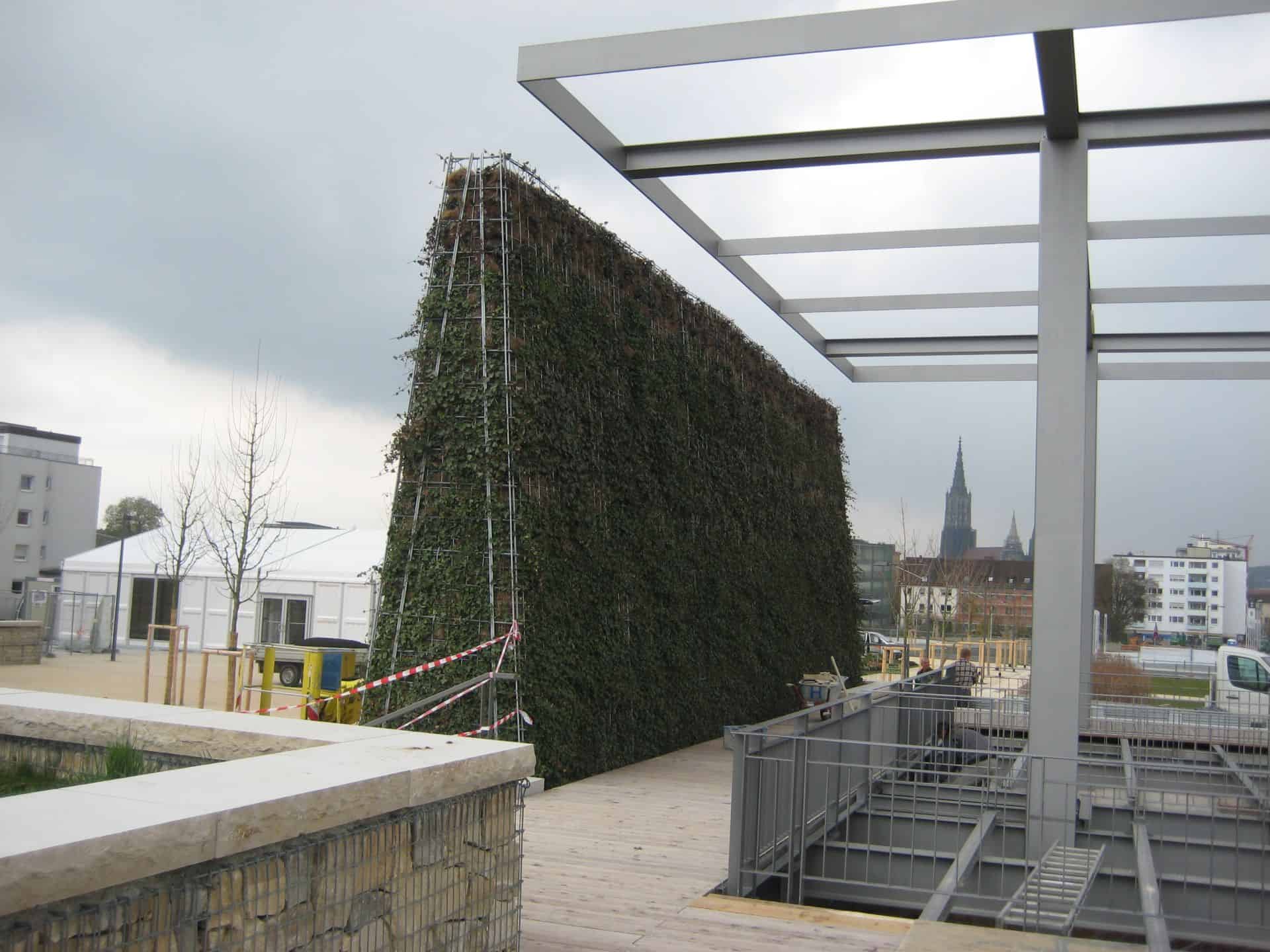
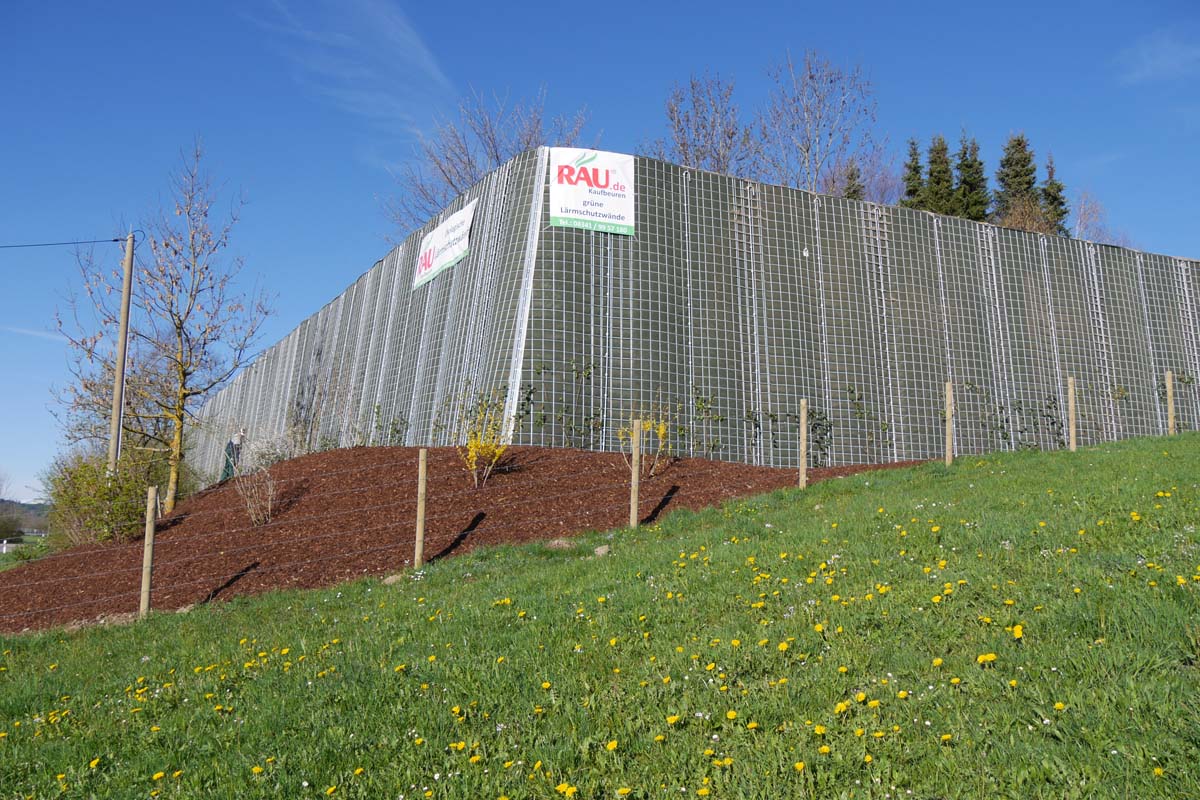
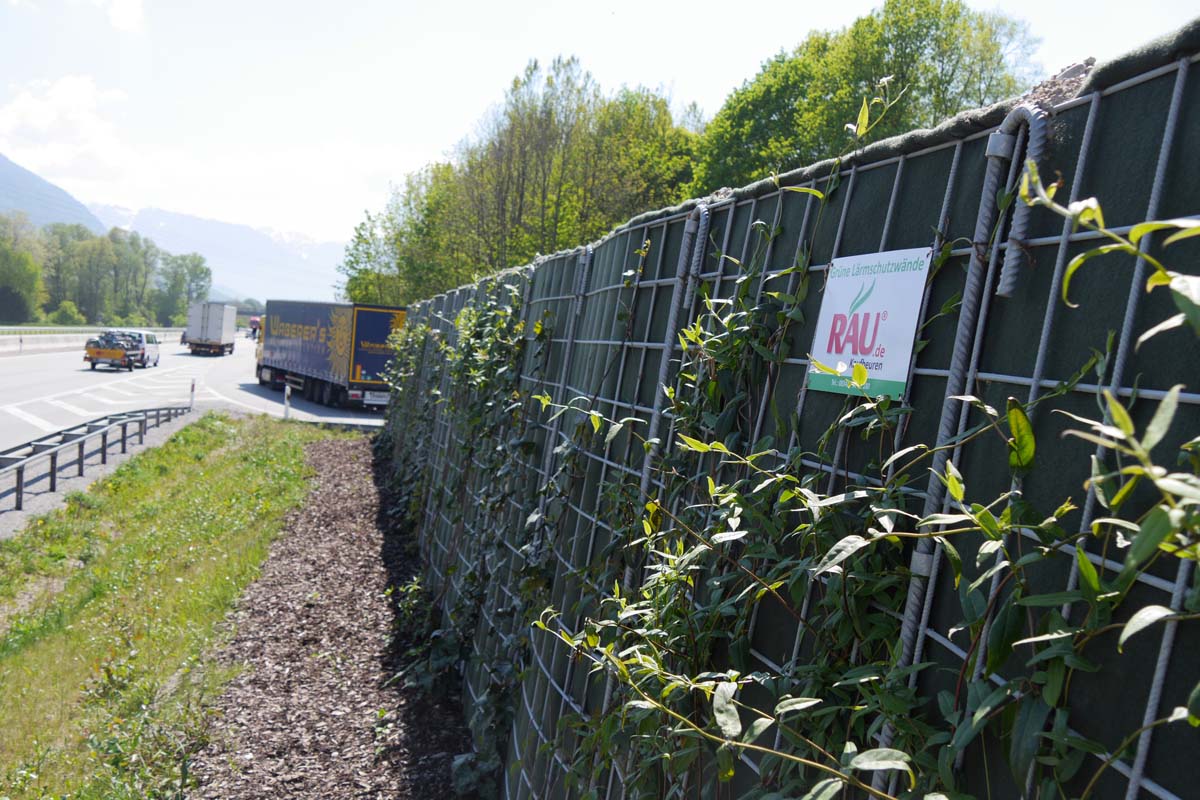
Noise protection projects in Aichach from preliminary inspection to handover
When deadlines are tight, preparation is the key to peace of mind. A stable process combines preliminary inspection, document status, interface clarification and the organization of the installation windows. We keep responsibilities and handovers clear so that unresolved issues do not end up on the construction site. If the focus is on design and the effect on the surroundings, we consider variants with a natural stone look and robust surfaces. Depending on the location, a company may also make sense. If responsibilities are clarified at an early stage, implementation remains on track. For local authorities, it is important that requirements are described in a verifiable manner and that decisions can be explained to the administration and committees. For developers, it is important that land use, outdoor spaces and development are not blocked by late changes. Late clarifications result in rescheduling, supplements and additional rounds of coordination, which put a strain on the budget and deadline. A brief preliminary review separates the must-haves from the options and speeds up the comparison of variants. Depending on the project, a range is often more helpful than fictitious accuracy when planning statuses are still in flux. In the Bavarian context, coordination and documentation often run parallel to planning, which is why a clear structure pays off in particular. Robust detail points and clear transitions reduce later special solutions and facilitate operation. A calm, comprehensible process reduces conflicts between the surroundings, use and construction process.


